


Monsoon Acne FAQ: Why Humidity Causes Breakouts Explained
Your Cart
0You May Also Like
The monsoon season brings relief from scorching heat, but it also brings an unwelcome guest for many of us—stubborn breakouts that seem to appear overnight. If you've noticed your skin acting up every time the humidity rises, you're not alone. The combination of moisture, heat, and environmental changes creates the perfect storm for monsoon acne. Understanding why this happens is the first step toward keeping your skin clear and healthy throughout the rainy season. Let's dive into the science behind these seasonal breakouts and explore practical solutions that actually work.
When humidity levels soar during monsoon, your skin's natural balance gets disrupted in several ways. High moisture in the air prevents your sweat from evaporating properly, creating a sticky layer on your skin that traps dirt, bacteria, and dead skin cells. This creates an ideal breeding ground for acne-causing bacteria.
Your sebaceous glands respond to humid conditions by producing excess oil to protect your skin from moisture loss. However, this backfires when combined with the already high environmental humidity. The result? Clogged pores that lead to blackheads, whiteheads, and inflammatory acne.
The combination of heat and humidity creates a double challenge for your skin. Heat stimulates oil production, while humidity prevents natural cooling through sweat evaporation. This creates a cycle where your skin produces more oil to compensate, leading to increasingly congested pores.
Propionibacterium acnes, the bacteria responsible for inflammatory acne, thrives in warm, moist environments. During monsoon, the increased humidity and reduced air circulation create perfect conditions for bacterial multiplication, leading to more severe and persistent breakouts.
Understanding the specific challenges that monsoon weather brings to your skin helps you tackle them more effectively. These problems often work together, creating a cascade effect that can turn minor skin issues into major breakouts.
High humidity signals your skin to produce more sebum than necessary. This excess oil doesn't evaporate in humid conditions, creating a sticky film that attracts dirt and pollutants throughout the day.
Rainwater often contains pollutants and acidic compounds that can irritate your skin and clog pores. When this contaminated water mixes with your skin's natural oils, it creates a perfect recipe for breakouts.
The combination of excess oil, dead skin cells, and environmental debris leads to more comedones. These non-inflammatory lesions can quickly progress to inflamed pimples if not addressed properly.
Heavy, humid air makes it harder for skincare products to absorb properly. This can lead to product buildup on your skin's surface, which clogs pores and creates additional breakout triggers.
If you already have oily skin, monsoon season can feel particularly challenging. Your sebaceous glands interpret high humidity as a signal to produce even more oil, creating a vicious cycle that's hard to break without the right approach.
The constant switching between air-conditioned environments and humid outdoor air confuses your skin's natural regulation system. This temperature and humidity fluctuation can cause your oil production to spike unpredictably throughout the day.
During monsoon, sweat doesn't evaporate efficiently, mixing with your skin's natural oils and environmental pollutants. This creates a sticky layer that traps bacteria and dead skin cells, leading to persistent breakouts.
Weather changes can affect your hormonal balance, particularly stress hormones like cortisol. Increased stress from weather-related disruptions can trigger hormonal fluctuations that worsen acne in rainy season.
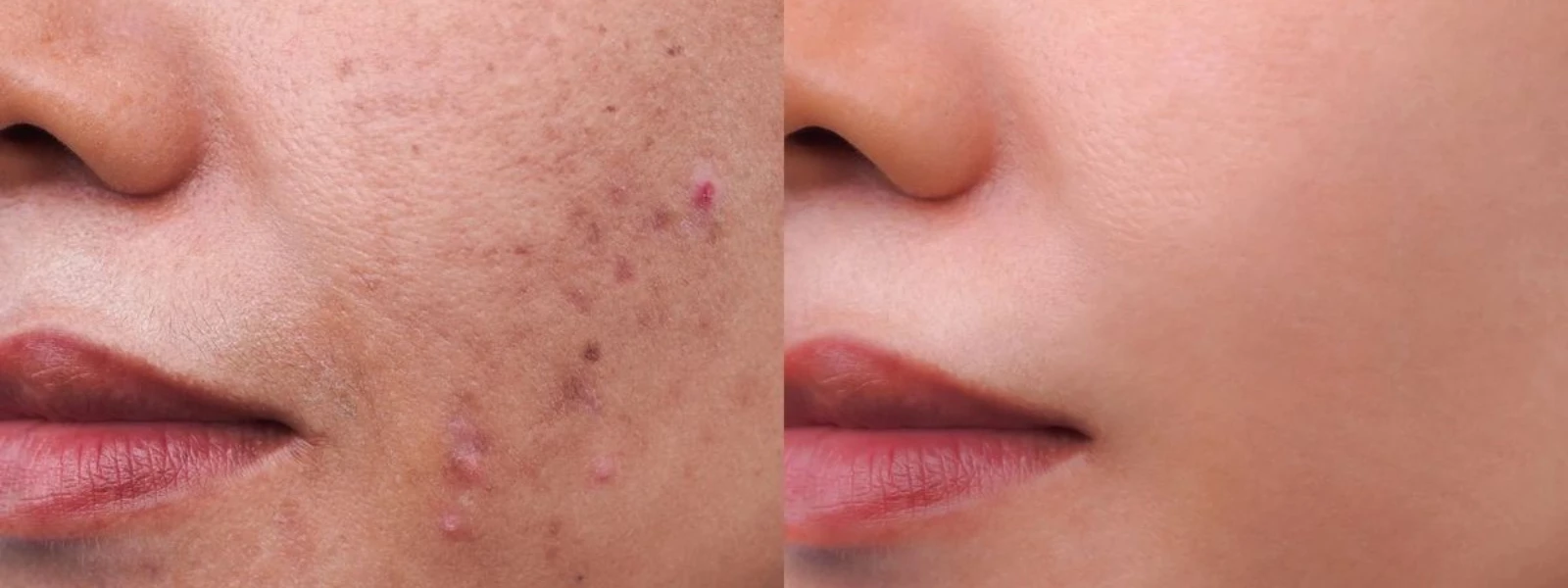
One of the most frustrating aspects of monsoon acne is how it can lead to persistent dark spots and uneven skin tone. The humid environment not only triggers more breakouts but also affects how your skin heals from them.
High humidity can increase melanin production in response to inflammation, making post-acne marks darker and more noticeable. This is particularly common in Indian skin tones, where hyperpigmentation tends to be more pronounced after inflammatory acne.
Moisture in the air can make your skin more sensitive to inflammation, leading to increased melanin production. This means that even minor breakouts can leave behind stubborn dark marks that take months to fade.
The key to preventing monsoon-related hyperpigmentation is addressing breakouts quickly and gently. Avoid picking at pimples, use gentle exfoliation, and always apply sunscreen, even on cloudy days.
Creating an effective monsoon skincare routine requires balancing oil control with proper hydration. Your skin needs lightweight, non-comedogenic products that won't add to the humidity-induced stickiness while still providing essential moisture and protection.
The key is to focus on gentle cleansing, oil control, and barrier protection without over-drying your skin, which can actually trigger more oil production.
Start with a gentle, salicylic acid-based cleanser to remove overnight oil buildup. Follow with a lightweight, niacinamide-containing serum to control oil production, and finish with a broad-spectrum sunscreen that won't clog pores.
Double cleanse to remove the day's accumulation of oil, sweat, and pollutants. Use a gentle exfoliant 2-3 times per week to prevent dead skin cell buildup, and apply a lightweight moisturizer to maintain your skin barrier.
Look for products containing salicylic acid for pore cleansing, niacinamide for oil control, and zinc for anti-inflammatory benefits. Avoid heavy oils and thick creams that can exacerbate humidity-related congestion.
High humidity during monsoon prevents sweat from evaporating properly, creating a sticky layer on your skin that traps bacteria, oil, and dirt. This leads to clogged pores and increased bacterial growth, resulting in more frequent breakouts. Your sebaceous glands also produce excess oil in response to humid conditions, further contributing to acne formation.
Rainwater often contains pollutants and acidic compounds that can irritate your skin and disrupt its natural balance. When this contaminated water comes into contact with your skin, it can cause inflammation and clog pores. Additionally, the sudden increase in humidity during rainfall triggers your oil glands to produce more sebum, creating ideal conditions for breakouts.
Monsoon breakouts typically last throughout the humid season, which can be 3-4 months depending on your location. Individual pimples usually heal within 7-14 days with proper treatment, but new ones may continue to appear until humidity levels decrease. If breakouts persist beyond the monsoon season or become severe, it's advisable to consult a dermatologist.
Yes, certain foods can worsen monsoon acne by increasing inflammation and oil production. Dairy products, high-glycemic foods, and excessive sugar can trigger hormonal fluctuations that exacerbate humidity-induced breakouts. Focus on anti-inflammatory foods like leafy greens, berries, and omega-3 rich fish to support your skin's healing process during monsoon.
Monsoon acne is primarily triggered by environmental factors like humidity and heat, while regular acne is often hormonal or genetic. Seasonal acne tends to be more superficial and responds well to topical treatments focusing on oil control and pore cleansing. However, if you have underlying hormonal acne, monsoon conditions can make it significantly worse.
Understanding why monsoon causes breakouts empowers you to take proactive steps in managing your skin health during humid weather. The combination of increased oil production, bacterial growth, and environmental pollutants creates a perfect storm for acne, but with the right knowledge and skincare routine, you can minimize these effects.
Remember that consistency is key when dealing with seasonal acne. Start your monsoon skincare routine before the season begins, focus on gentle yet effective ingredients, and don't forget that prevention is always easier than treatment. With patience and the right approach, you can enjoy the rainy season without worrying about unwanted breakouts.
