


Melasma Skincare: Your Complete Natural Treatment Guide
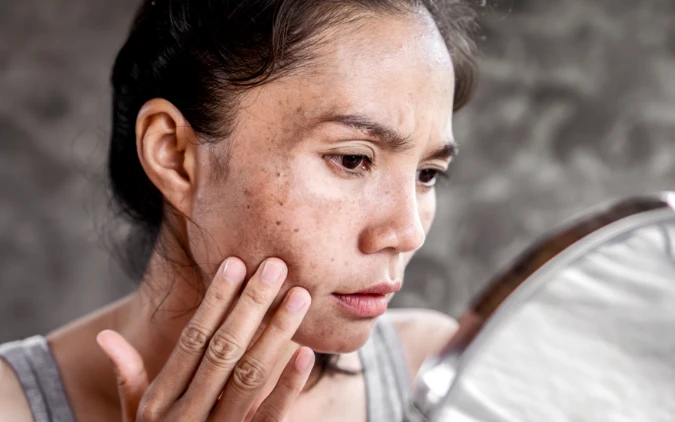
Melasma affects millions of people worldwide, creating brown or gray patches that can significantly impact confidence and self-esteem. While this common form of hyperpigmentation might seem stubborn, natural skincare for melasma offers a gentle yet effective path to clearer, more even-toned skin. Unlike harsh chemical treatments that can sometimes worsen pigmentation, natural approaches work with your skin's healing processes to gradually fade dark spots while supporting overall skin health. Understanding the science behind natural remedies and implementing them correctly can lead to remarkable improvements in melasma appearance over time.
Melasma represents one of the most challenging forms of hyperpigmentation, but understanding its root causes helps explain why natural treatments can be so effective. This condition develops when melanocytes become overactive, producing excess pigment in response to various triggers including hormonal changes, sun exposure, and genetic predisposition.
Melasma appears as symmetrical brown or gray patches, typically on the face, and differs from other forms of hyperpigmentation in its deep-rooted nature. The condition often develops during pregnancy (called chloasma), while taking birth control pills, or during hormone replacement therapy. Sun exposure acts as a major trigger, causing existing melasma to darken and new patches to form.
Natural remedies for melasma offer several advantages over aggressive chemical treatments. They work gently to inhibit melanin production without causing irritation that can lead to post-inflammatory hyperpigmentation. This approach reduces the risk of rebound darkening, a common problem with harsh bleaching agents, while supporting long-term skin health through nourishing ingredients.
Research has identified several natural ingredients with proven efficacy against melasma. These compounds work through various mechanisms, from inhibiting tyrosinase enzyme activity to providing antioxidant protection that prevents further pigmentation damage.
Aloe vera contains aloin, a compound that effectively reduces melanin production. Clinical studies show that applying fresh aloe vera gel twice daily can significantly lighten melasma patches within four weeks. The gel's anti-inflammatory properties also soothe irritated skin while promoting healing.
Vitamin C acts as a powerful antioxidant and tyrosinase inhibitor, making it essential for skin brightening for melasma. Natural sources like rosehip oil and citrus extracts provide bioavailable vitamin C that penetrates skin effectively. Regular application helps prevent new pigmentation while gradually fading existing dark spots.
Glabridin, the active compound in licorice extract, has shown remarkable results in clinical trials for melasma treatment. This natural ingredient blocks melanin formation without causing skin irritation, making it suitable for sensitive skin types. Quality licorice extract can produce visible improvements in pigmentation within six to eight weeks of consistent use.
Creating your own hyperpigmentation skincare treatments allows you to control ingredient quality while saving money. These proven recipes use easily accessible natural ingredients that work synergistically to address melasma.
Combine one teaspoon of turmeric powder with two tablespoons of plain yogurt to create a powerful brightening mask. Curcumin in turmeric inhibits melanin production while yogurt's lactic acid provides gentle exfoliation. Apply this mixture twice weekly for 15 minutes, then rinse with cool water.
Dilute apple cider vinegar with equal parts water to create a gentle toner that balances skin pH and promotes cell turnover. The natural acids help fade dark spots while preventing new pigmentation from forming. Apply with a cotton pad after cleansing, but start with every other day to assess skin tolerance.
Brew strong green tea, let it cool, then mix with raw honey to create a nourishing treatment mask. Green tea's polyphenols provide antioxidant protection while honey offers natural bleaching properties. This combination works particularly well for sensitive skin types prone to irritation from stronger treatments.
Developing a consistent routine forms the foundation of successful melasma natural solutions. The key lies in layering compatible ingredients while maintaining skin barrier health throughout the treatment process.
Start with a gentle natural cleanser, followed by vitamin C treatment and broad-spectrum sunscreen. This sequence protects against UV damage while providing active ingredients that work throughout the day. Consistency in morning protection prevents existing melasma from darkening and new patches from forming.
Evening routines focus on repair and regeneration. Begin with thorough cleansing, apply treatment serums like licorice extract or aloe vera, then seal with a nourishing moisturizer. This allows active ingredients to work overnight when skin naturally repairs itself.
Incorporate weekly masks or peeling treatments to accelerate results. Natural fruit acid masks using papaya or pineapple provide gentle exfoliation that helps treatment ingredients penetrate deeper. Monitor skin response and adjust frequency based on tolerance and results.
Supporting your topical treatments with proper nutrition and lifestyle choices enhances results significantly. Internal antioxidant support and consistent sun protection create the optimal environment for melasma improvement.
Incorporate antioxidant-rich foods like citrus fruits, tomatoes, and leafy greens into your daily diet. These foods provide vitamins C and E, which support skin health and help prevent oxidative damage that can worsen melasma. Omega-3 fatty acids from nuts and seeds also support skin barrier function.
No natural treatment can succeed without proper sun protection. Use mineral sunscreens with zinc oxide or titanium dioxide, wear wide-brimmed hats, and seek shade during peak UV hours. Even brief sun exposure can undo weeks of treatment progress.
Understanding realistic timelines helps maintain motivation during treatment. Natural approaches work gradually but provide lasting results when implemented consistently over time.
Initial improvements typically appear within four to six weeks, with significant changes becoming visible after three months of consistent treatment. Complete melasma fading may take six months to a year, depending on the depth and age of pigmentation. Patience and consistency remain crucial for success.
Take weekly photos in consistent lighting to track progress objectively. Avoid over-treating skin with too many active ingredients simultaneously, as this can cause irritation and worsen pigmentation. Start with one or two treatments and gradually add others as skin adapts.
Natural melasma removal involves consistent use of proven ingredients like aloe vera gel containing aloin, vitamin C treatments, and licorice extract. Apply aloe vera twice daily, use vitamin C in morning routines, and maintain strict sun protection. Results typically appear in 4-8 weeks with complete treatment taking 3-6 months.
The fastest natural approach combines multiple proven treatments: morning vitamin C application, evening aloe vera or licorice extract treatment, weekly exfoliating masks, and strict sun protection. Consistency matters more than intensity - gentle daily treatments produce better results than aggressive sporadic treatments.
Natural treatments can significantly fade melasma, but complete permanent removal depends on individual factors like hormonal status and sun exposure habits. Most people achieve substantial improvement that lasts with proper maintenance and continued sun protection. Hormonal changes may cause some recurrence.
Many natural treatments like aloe vera, vitamin C from food sources, and gentle honey masks are safe during pregnancy. However, avoid essential oils and strong herbal extracts. Always consult your healthcare provider before starting any new skincare routine during pregnancy or while breastfeeding.
Initial improvements typically appear within 4-6 weeks of consistent treatment. Significant lightening becomes visible after 2-3 months, with optimal results achieved after 6-12 months. The timeline varies based on melasma depth, skin type, and treatment consistency.
Natural skincare for melasma offers a safe, effective approach to achieving clearer, more even-toned skin. Success depends on understanding your skin's needs, choosing proven natural ingredients, and maintaining consistent treatment routines. While results take time, the gentle nature of natural treatments supports long-term skin health while gradually fading stubborn pigmentation. Remember that sun protection remains the most critical factor in both treating existing melasma and preventing new patches from forming. With patience and dedication, natural approaches can deliver remarkable improvements in melasma appearance while nourishing your skin's overall health and vitality.
