


Melasma Skincare: Your Complete FAQ Guide
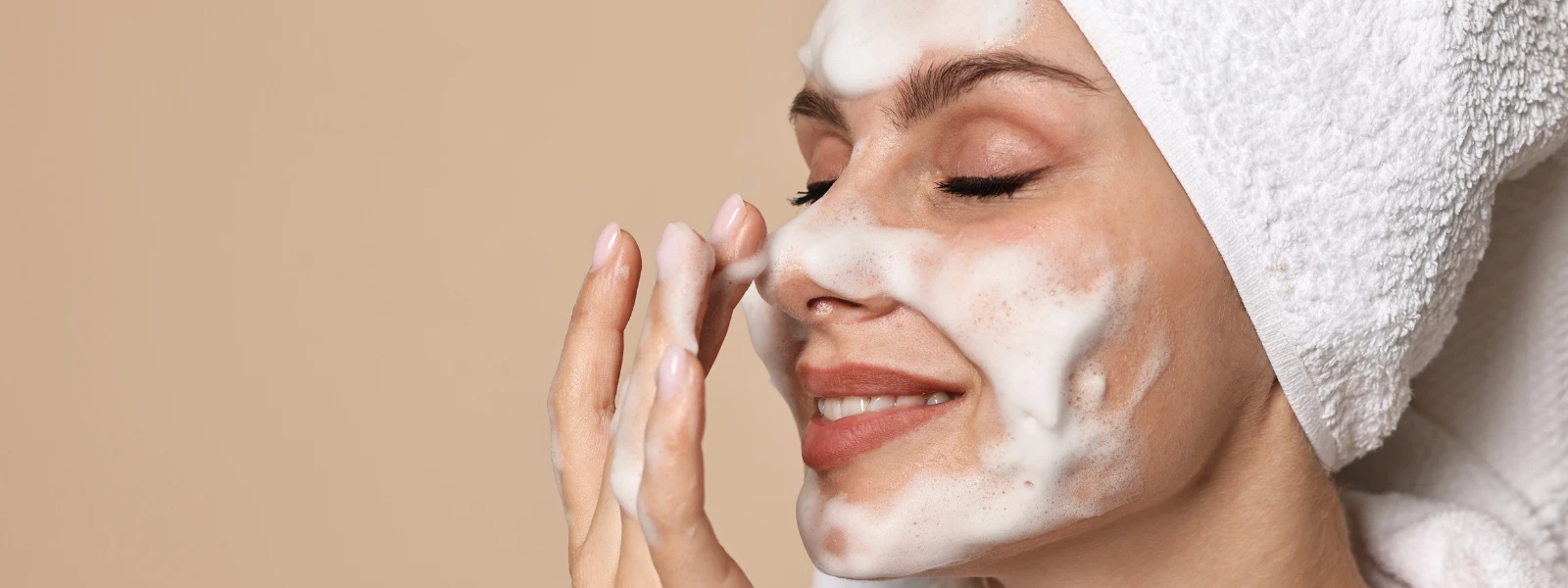
Dealing with melasma can feel overwhelming, especially when you're trying to navigate countless skincare products and conflicting advice. This stubborn form of skin discoloration affects millions of people worldwide, creating patches of darker pigmentation that seem resistant to typical skincare approaches. The good news? With the right melasma skincare routine and consistent application, you can achieve significant improvement in your skin's appearance. Understanding the science behind melasma and implementing a targeted approach makes all the difference in your journey toward clearer, more even-toned skin.
Melasma represents a unique form of hyperpigmentation that requires specialized care. Unlike other types of dark spots, melasma typically appears as symmetrical patches on the face, often triggered by hormonal changes, sun exposure, or genetic predisposition. The condition occurs when melanocytes become overactive, producing excess pigment in response to various triggers.
What sets melasma apart from other forms of skin discoloration is its tendency to worsen with heat, hormonal fluctuations, and inadequate sun protection. This makes developing an effective melasma skincare routine crucial for both treatment and prevention. The key lies in understanding that melasma requires patience and consistency – most people see initial improvements within 6-8 weeks of starting a proper routine.
Hormonal changes during pregnancy, menopause, or while taking birth control often trigger melasma development. Sun exposure remains the most significant aggravating factor, which is why comprehensive sun protection forms the foundation of any successful melasma treatment plan.
Creating a successful melasma skincare routine involves carefully selected ingredients that work together to inhibit excess pigment production while protecting your skin from further damage. The most effective routines combine gentle exfoliation, targeted brightening agents, and robust sun protection.
Your morning routine should focus on protection and prevention, while evening care emphasizes active melasma treatment ingredients. This dual approach ensures your skin receives the right support throughout the day while maximizing the effectiveness of treatment products during your skin's natural repair cycle.
Start with a gentle cleanser that won't irritate your skin or strip away natural oils. Follow with a vitamin C serum to provide antioxidant protection against environmental damage. Apply a broad-spectrum sunscreen with at least SPF 30, preferably containing zinc oxide and iron oxide for comprehensive protection against visible light.
Evening routines should include active ingredients like niacinamide, alpha arbutin, or kojic acid. These components work overnight to regulate pigment production and promote cellular turnover. Always follow with a nourishing moisturizer to support your skin barrier during the treatment process.
Successful pigmentation correction relies on ingredients that target different aspects of melanin production and distribution. Understanding how these components work helps you make informed decisions about your melasma skincare routine.
Niacinamide stands out as one of the most versatile ingredients for addressing uneven skin tone. This form of vitamin B3 helps regulate melanin transfer while reducing inflammation that can worsen melasma. Alpha arbutin provides gentle tyrosinase inhibition, making it an excellent choice for sensitive skin types.
Kojic acid, derived from fermented rice, offers effective skin brightening properties without the harsh side effects associated with some synthetic alternatives. Licorice root extract provides additional anti-inflammatory benefits while supporting the brightening process.
For more stubborn cases, ingredients like tranexamic acid and azelaic acid can provide enhanced results. These components work through different pathways to address melasma from multiple angles, often producing better outcomes than single-ingredient approaches.
Most people notice initial improvements within 6-8 weeks of consistent use. Significant results typically become visible after 3-4 months of dedicated treatment. Remember that melasma improvement is gradual, and patience is essential for achieving lasting results.
Yes, but introduce them gradually to avoid irritation. Start with one active ingredient and add others slowly, monitoring your skin's response. Many people find success combining niacinamide with alpha arbutin or kojic acid for enhanced pigmentation correction.
Melasma typically appears as symmetrical patches on the face, often triggered by hormonal changes. Other dark spots like age spots or post-inflammatory hyperpigmentation usually have different patterns and causes. Professional diagnosis helps ensure appropriate treatment.
Absolutely. Daily sunscreen use is the most critical component of melasma prevention. Even indoor lighting and brief sun exposure can trigger melasma worsening. Choose broad-spectrum protection with iron oxide for optimal defense against visible light.
Melasma can recur if triggers like sun exposure or hormonal changes occur. Maintaining a consistent melasma skincare routine with proper sun protection significantly reduces the likelihood of recurrence. Many people continue using brightening ingredients at lower concentrations for maintenance.
Avoid harsh scrubs, strong acids, and ingredients that cause irritation, as inflammation can worsen melasma. Be cautious with essential oils and fragrances that might trigger sensitivity. Always patch test new products before incorporating them into your routine.
Successfully managing melasma requires a comprehensive approach that combines targeted ingredients, consistent application, and robust sun protection. Your melasma skincare routine should evolve based on your skin's response and changing needs. Remember that improvement takes time, but with patience and the right approach, you can achieve significant improvement in your skin's appearance and confidence. Focus on gentle, effective ingredients that support your skin's natural healing process while preventing further pigmentation development.
