

Melasma Serums: Your Complete Treatment Guide
Your Cart
0You May Also Like

₹424 ₹499

₹509 ₹599

₹594 ₹699

₹424 ₹499

₹466 ₹549
Dealing with melasma can feel overwhelming, especially when you're searching for the right treatment approach. This stubborn form of hyperpigmentation affects millions of people worldwide, creating dark patches that seem resistant to typical skincare routines. The good news? The right serum can make a significant difference in your melasma treatment journey. Understanding which ingredients work best and how to use them properly is key to achieving the even skin tone you're seeking. Let's explore everything you need to know about finding the best serums for melasma and creating an effective treatment plan.
Melasma is a common skin condition that causes brown or gray patches, typically on the face. Unlike other forms of hyperpigmentation, melasma is often triggered by hormonal changes, sun exposure, and genetics. These dark spots usually appear on the cheeks, forehead, nose, and upper lip in a symmetrical pattern. Serums are particularly effective for melasma treatment because of their lightweight, concentrated formulation. They penetrate deeper into the skin compared to creams or lotions, delivering active ingredients directly to the melanin-producing cells. This targeted approach makes serums one of the most efficient ways to address uneven skin tone and pigmentation issues.
The molecular structure of serums allows for better absorption of key ingredients. When you apply a hyperpigmentation serum, the active compounds can reach the deeper layers of skin where melanin production occurs. This direct delivery system means you'll often see results faster than with traditional creams.
Most people notice initial improvements in their melasma within 4-6 weeks of consistent serum use. However, significant changes typically take 3-6 months of regular application. Patience is essential, as melanin reduction happens gradually through the skin's natural renewal process.
Choosing the right skin brightening serum starts with understanding which ingredients have proven effectiveness against melasma. Different active compounds work through various mechanisms to reduce pigmentation and prevent new dark spots from forming. Hydroquinone remains the gold standard for melasma treatment, with decades of clinical research supporting its effectiveness. This ingredient works by inhibiting tyrosinase, the enzyme responsible for melanin production. Many dermatologists consider it the most potent option for stubborn pigmentation.
This newer ingredient has gained popularity for its gentle yet effective approach to pigmentation correction. Tranexamic acid works by blocking inflammatory pathways that trigger melanin production, making it particularly useful for hormonally-induced melasma.
Niacinamide offers a gentler alternative for sensitive skin types. This form of vitamin B3 helps regulate melanin transfer while strengthening the skin barrier. It's an excellent choice for those who cannot tolerate stronger actives like hydroquinone.
This powerful duo works synergistically to brighten skin and fade dark spots. Vitamin C provides antioxidant protection while alpha arbutin gently inhibits melanin production. Together, they create an effective serum for dark spots that's suitable for daily use.
Selecting the perfect melasma skincare product requires considering your skin's unique needs and sensitivities. Different skin types respond better to specific formulations and concentrations of active ingredients. For dry skin, look for serums that combine brightening ingredients with hydrating components like hyaluronic acid. These formulations prevent irritation while delivering effective treatment. Dry skin often benefits from gentler actives used consistently rather than high-concentration products used sporadically.
If you have sensitive skin, start with lower concentrations of active ingredients. Niacinamide-based serums or gentle vitamin C formulations are excellent starting points. Always perform a patch test before incorporating any new best serum for face into your routine.
Lightweight, water-based serums work best for oily skin types. Look for non-comedogenic formulations that won't clog pores. Ingredients like niacinamide can address both melasma and oil production simultaneously.
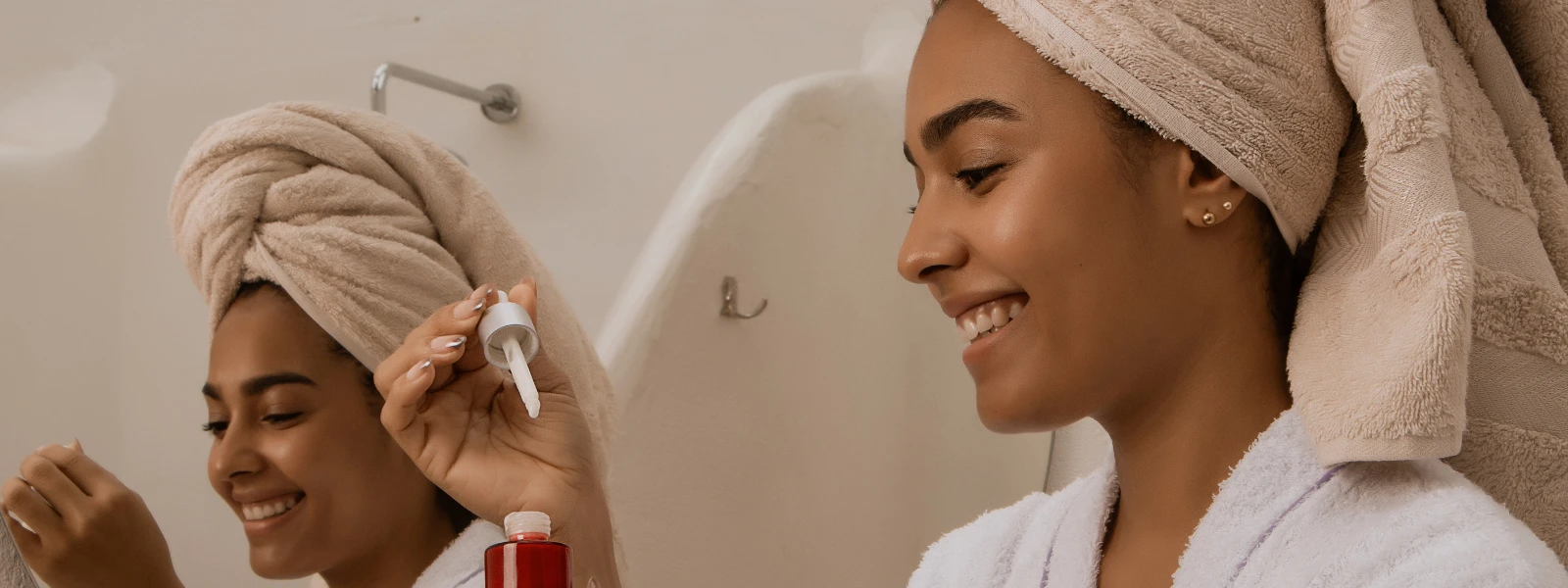
Creating an effective routine with your chosen uneven skin tone treatment requires proper timing and layering techniques. The key is consistency and gradual introduction of active ingredients to avoid irritation. Your morning routine should focus on protection and gentle brightening. Start with a gentle cleanser, apply your melasma serum to clean skin, follow with moisturizer, and finish with broad-spectrum SPF 30 or higher. Sun protection is crucial because UV exposure can worsen melasma significantly.
Evening routines allow for stronger actives and repair-focused ingredients. After cleansing, apply your topical treatment for melasma serum, wait 10-15 minutes for absorption, then follow with a nourishing moisturizer. This timing allows the active ingredients to work without interference.
Many people make the mistake of using too many active ingredients at once or applying products in the wrong order. Start with one active ingredient and gradually introduce others. Always apply serums to clean, dry skin for maximum absorption.
Climate and environmental factors significantly impact melasma treatment success. Understanding how your local environment affects your skin helps you choose the most appropriate melasma remedies for your situation. In humid, tropical climates, lightweight serums that absorb quickly work best. Heavy formulations can feel uncomfortable and may not penetrate effectively in high humidity. Look for gel-based or water-light serums that won't feel sticky or heavy on your skin.
Dry environments require more hydrating formulations to prevent irritation from active ingredients. Consider serums that combine brightening actives with moisturizing components like hyaluronic acid or glycerin.
Different ethnic backgrounds may respond differently to various treatments. Some skin tones are more prone to post-inflammatory hyperpigmentation, requiring gentler approaches to avoid worsening pigmentation issues.
The best serum depends on your skin type and tolerance level. Hydroquinone-based serums are most effective for stubborn melasma, while niacinamide or vitamin C serums offer gentler alternatives for sensitive skin.
Niacinamide is generally better for melasma treatment as it directly addresses pigmentation without the potential irritation that retinol can cause. Retinol is excellent for overall skin renewal but may worsen melasma if it causes inflammation.
While serums can significantly fade melasma, complete removal isn't always possible, especially for deep or long-standing pigmentation. Most people see 50-80% improvement with consistent use of appropriate serums.
Initial improvements typically appear within 4-6 weeks, with significant results visible after 3-6 months of consistent use. Patience and consistency are key to successful melasma treatment.
Yes, but introduce them gradually to avoid irritation. Start with one active ingredient and add others slowly. Always use products in order from thinnest to thickest consistency.
Common side effects include mild irritation, dryness, or increased sensitivity to sun. These usually subside as your skin adjusts. Always use sunscreen when using brightening serums.
Finding the right serum for melasma requires understanding your skin type, choosing appropriate active ingredients, and maintaining consistency in your routine. Remember that melasma treatment is a marathon, not a sprint. The most effective approach combines the right products with sun protection and patience. Start with gentler formulations and gradually work up to stronger actives as your skin tolerates them. With the right serum and proper routine, you can achieve significant improvement in your melasma and enjoy more even, radiant skin.
