


Melasma Removal: Your Complete Product Guide
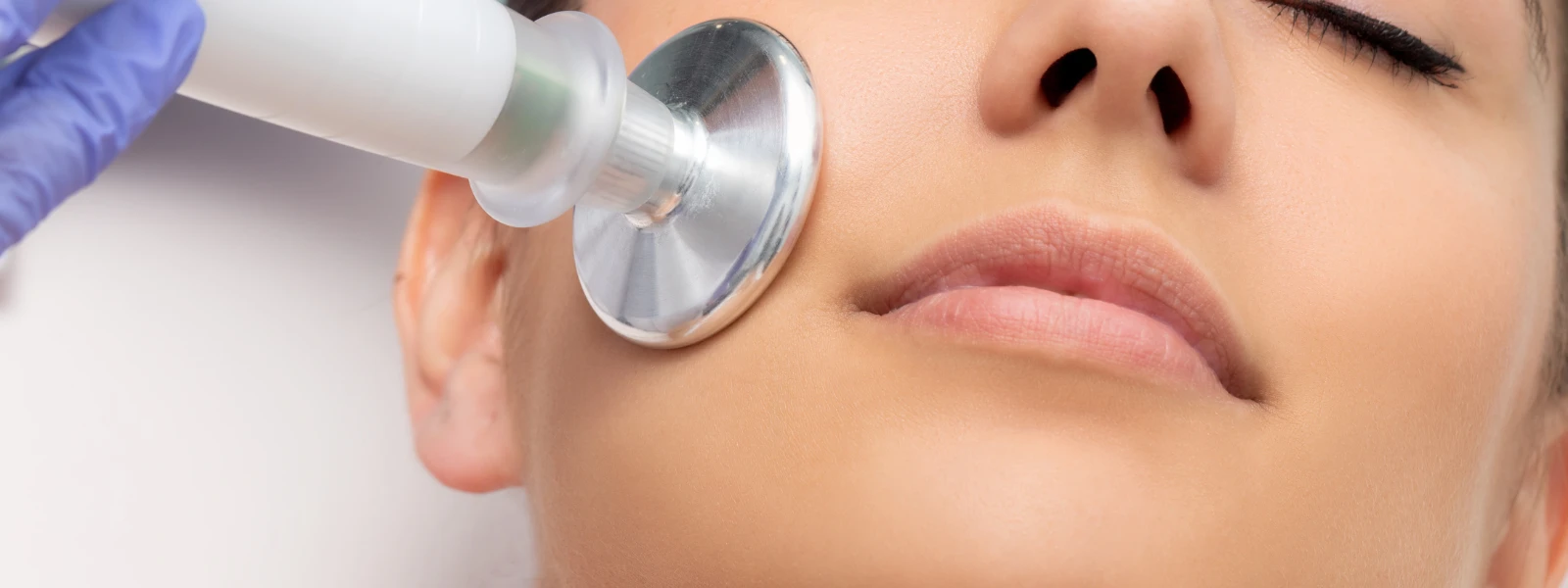
Dealing with melasma can feel overwhelming, especially when you're faced with countless product options promising miraculous results. This stubborn form of hyperpigmentation affects millions of people worldwide, creating brown or gray patches that seem impossible to fade. The good news? With the right products and consistent routine, you can significantly improve your skin's appearance. Understanding which ingredients actually work and how to use them safely makes all the difference in your melasma treatment journey. Let's explore the most effective products and strategies that dermatologists recommend for achieving clearer, more even-toned skin.
Melasma stands apart from other types of hyperpigmentation due to its unique triggers and stubborn nature. This condition creates symmetrical dark patches, typically appearing on both sides of your face in matching patterns. The most common areas include your cheeks, forehead, bridge of your nose, and upper lip area. Hormonal changes often trigger melasma, which explains why it frequently develops during pregnancy or while taking birth control pills. Sun exposure acts as a major catalyst, making existing patches darker and more noticeable. Unlike age spots or post-inflammatory hyperpigmentation, melasma tends to be more persistent and requires specialized treatment approaches. The condition affects the deeper layers of your skin, making it more challenging to treat than surface-level discoloration. This is why regular brightening products might not show the dramatic results you're hoping for. Understanding this difference helps set realistic expectations and guides you toward more effective treatment options.
When it comes to the best products for melasma removal, prescription treatments often provide the most dramatic improvements. These powerful formulations contain higher concentrations of active ingredients that can penetrate deeper into your skin.
Hydroquinone remains the most effective single ingredient for melasma treatment. This skin-lightening agent works by inhibiting tyrosinase, the enzyme responsible for melanin production. Prescription formulations typically contain 4% hydroquinone, which is significantly stronger than over-the-counter versions. Most dermatologists recommend starting with lower concentrations to assess your skin's tolerance. You'll typically see initial improvements within 6-8 weeks of consistent use.
The most effective approach often involves triple combination therapy, which combines hydroquinone with tretinoin and a mild corticosteroid. This powerful combination addresses multiple aspects of melasma simultaneously. Tretinoin accelerates cell turnover, helping to shed pigmented cells faster, while the corticosteroid reduces inflammation that can worsen pigmentation. These formulations require careful monitoring by a dermatologist, as they can cause significant irritation if not used properly. However, they often produce the most dramatic results for stubborn melasma cases.
While prescription treatments pack the most punch, several over-the-counter options can effectively support your melasma removal efforts. These products work well alone for mild cases or as maintenance therapy alongside stronger treatments.
A high-quality skin brightening serum containing vitamin C can significantly improve your skin's overall tone and radiance. Look for formulations with 15-20% L-ascorbic acid, which provides optimal potency without excessive irritation. Vitamin C works by inhibiting melanin production and providing antioxidant protection against further damage. Apply vitamin C serum in the morning before your moisturizer and sunscreen. This timing maximizes its protective benefits throughout the day when your skin faces environmental stressors.
Azelaic acid offers excellent results for those with sensitive skin who can't tolerate stronger treatments. This naturally occurring acid gently exfoliates while reducing melanin production. It's particularly effective for uneven skin tone correction and works well in combination with other active ingredients. Concentrations between 10-20% provide the best balance of effectiveness and tolerability. Unlike some other acids, azelaic acid is safe for use during pregnancy, making it an excellent option for pregnancy-related melasma.
Kojic acid, derived from fungi, effectively inhibits tyrosinase activity similar to hydroquinone but with less potential for irritation. Tranexamic acid, originally used to prevent blood clots, has shown promising results in reducing melasma when applied topically. These newer ingredients often appear in combination formulas designed specifically for hyperpigmentation products. They work synergistically to provide comprehensive treatment while minimizing side effects.
Proper exfoliation plays a crucial role in any effective melasma treatment routine. Chemical exfoliants help remove pigmented cells more quickly while allowing other active ingredients to penetrate more effectively.
Glycolic acid, the smallest alpha hydroxy acid, penetrates deeply to dissolve the bonds between dead skin cells. For melasma treatment, concentrations between 8-12% provide optimal results without excessive irritation. Start with lower concentrations and gradually increase as your skin builds tolerance. Lactic acid offers a gentler alternative for sensitive skin types. This larger molecule penetrates more slowly, reducing the risk of irritation while still providing effective exfoliation. It also has natural humectant properties that help maintain skin hydration.
While at-home chemical exfoliants provide excellent maintenance, professional chemical peels can jumpstart your results. Dermatologist-administered peels use higher concentrations and can target deeper layers of pigmentation. Consider professional treatments every 4-6 weeks during the initial treatment phase, then transition to monthly maintenance sessions once you achieve your desired results.
Success with melasma treatment requires a comprehensive approach that addresses multiple factors contributing to pigmentation. Your routine should include prevention, active treatment, and maintenance components.
Your morning routine should focus on protection and prevention. Start with a gentle cleanser, followed by your vitamin C serum. Apply a broad-spectrum sunscreen with at least SPF 30 as your final step. Reapply sunscreen every two hours, especially if you spend time outdoors. Sun protection is absolutely critical for preventing melasma from worsening. Even brief sun exposure can undo weeks of treatment progress.
Evening routines allow for more intensive treatments since your skin repairs itself overnight. Apply your active ingredients in order of thinnest to thickest consistency. Wait 10-15 minutes between applications to allow proper absorption. Start with 2-3 nights per week when introducing new active ingredients, gradually increasing frequency as your skin adapts. This approach minimizes irritation while maximizing results.
Melasma treatment requires patience and consistency. Most people begin seeing initial improvements within 6-8 weeks of starting treatment, but significant results typically take 3-6 months of consistent use. Document your progress with weekly photos taken in consistent lighting conditions. This helps you notice gradual improvements that might not be obvious day-to-day. Remember that melasma often appears worse before it gets better, especially when using exfoliating treatments. Some people may experience temporary darkening during the first few weeks of treatment. This occurs as deeper pigmentation rises to the surface before being shed. Don't get discouraged during this phase – it's often a sign that your treatment is working.
Hydroquinone remains the gold standard for melasma treatment, with prescription-strength 4% formulations showing the best results. Triple combination therapy containing hydroquinone, tretinoin, and a mild corticosteroid provides the most comprehensive approach for stubborn cases.
Most people notice initial improvements within 6-8 weeks of consistent use. Significant results typically require 3-6 months of dedicated treatment. Patience and consistency are key to achieving lasting improvements.
Yes, several over-the-counter ingredients can effectively improve melasma, including vitamin C, azelaic acid, kojic acid, and alpha hydroxy acids. While they may work more slowly than prescription options, they can provide significant improvements, especially for mild to moderate cases.
Yes, but proper layering and timing are essential. Start with one active ingredient and gradually introduce others. Apply products from thinnest to thickest consistency, allowing adequate absorption time between applications.
Avoid harsh scrubs, excessive sun exposure, and products containing irritating fragrances or alcohol. Don't expect overnight results, and resist the urge to use more product than recommended, as this can cause irritation and potentially worsen pigmentation.
Successful melasma treatment combines the right products with consistent application and realistic expectations. The best products for melasma removal typically include hydroquinone, vitamin C, and chemical exfoliants, used in a carefully structured routine. Remember that sun protection is absolutely essential – without it, even the most effective treatments will fail to deliver lasting results. Start with gentler formulations and gradually increase potency as your skin adapts. Most importantly, be patient with the process and celebrate small improvements along the way. With dedication and the right approach, you can achieve significant improvement in your skin's appearance and regain confidence in your complexion.
