


Melasma in Indian Women: Your Complete FAQ Guide
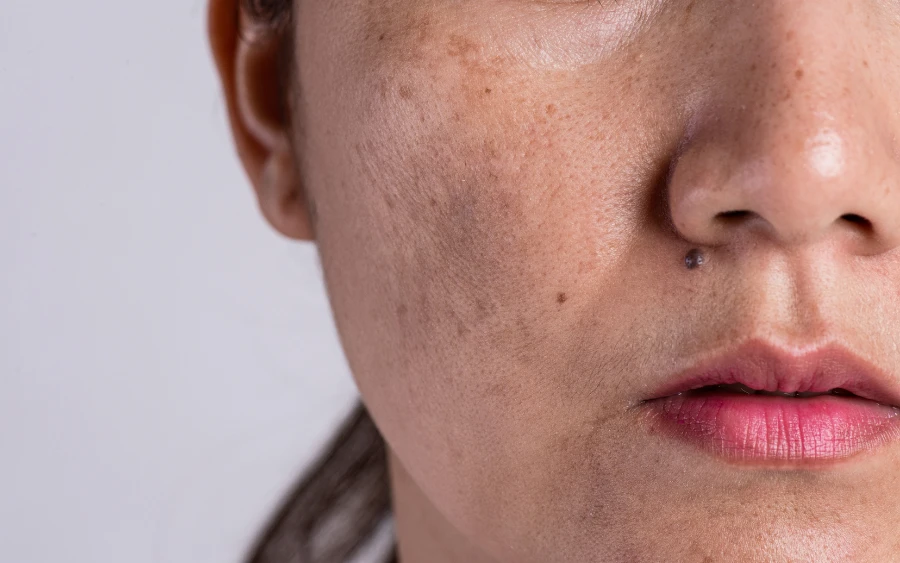
Melasma is one of the most challenging skin conditions affecting Indian women, with studies showing that 20-30% of women aged 40-65 in India experience this stubborn form of hyperpigmentation. Unlike temporary dark spots on face that fade over time, melasma creates persistent patches of skin discoloration that can significantly impact confidence and quality of life. The condition appears as brown or grayish patches, typically on the cheeks, forehead, nose bridge, and upper lip area. Understanding why melasma affecting Indian women is so prevalent and how to manage it effectively can make all the difference in your skincare journey.
Melasma is a chronic pigmentary disorder that creates symmetrical patches of hyperpigmentation on the face. Indian skin is particularly susceptible to this condition due to higher melanin content and increased reactivity to hormonal changes and UV exposure. The condition often appears as brown, tan, or grayish patches that develop gradually and can persist for months or even years without proper treatment.
What makes melasma different from other forms of pigmentation on face is its distinctive pattern and triggers. While age spots or sun damage typically appear as isolated dark spots, melasma creates larger, more uniform patches that often mirror each other on both sides of the face.
Indian women face unique challenges when it comes to melasma development. The combination of genetic predisposition, intense UV exposure in tropical climates, and cultural factors like turmeric use can all influence pigmentation patterns. Additionally, the prevalence of arranged marriages and early pregnancies in Indian culture means many women experience hormonal triggers during their prime reproductive years.
Understanding melasma causes is crucial for effective prevention and treatment. The primary triggers include hormonal fluctuations, UV exposure, and genetic factors that work together to create the perfect storm for hyperpigmentation Indian skin experiences. Pregnancy, often called the "mask of pregnancy," is one of the most common triggers, affecting up to 70% of pregnant women.
Hormonal birth control pills and hormone replacement therapy can also trigger melasma development. The condition often worsens during summer months when UV exposure increases, making sun protection absolutely essential for Indian women living in high-altitude or sun-exposed regions.
India's intense sunlight, combined with high humidity levels, creates challenging conditions for melasma-prone skin. Many Indian women also use traditional skincare ingredients that can increase photosensitivity, unknowingly worsening their condition.
Family history plays a significant role in melasma development. If your mother or grandmother experienced skin discoloration Indian women commonly face, you're more likely to develop the condition yourself.
Modern melasma treatment approaches focus on gentle yet effective ingredients that work well with Indian skin types. The key is finding formulations that lighten existing pigmentation without causing irritation or rebound hyperpigmentation. Topical treatments containing hydroquinone, kojic acid, azelaic acid, and niacinamide have shown excellent results for Indian women.
Professional treatments like chemical peels and laser therapy can be effective but require careful consideration of skin type and pigmentation patterns. Many Indian women find success with combination approaches that include both professional treatments and consistent home care routines.
Tranexamic acid has emerged as a game-changer for treating melasma in darker skin types. This ingredient works by reducing inflammation and preventing new pigment formation, making it ideal for Indian skin that tends to be more reactive.
Most effective melasma treatments require 3-6 months of consistent use to show significant improvement. Patience is essential, as rushing the process with aggressive treatments can worsen hyperpigmentation in Indian skin.
While professional treatments are often necessary, certain melasma home remedies can support your treatment routine safely. Natural ingredients like licorice extract, vitamin C, and gentle exfoliating acids can help brighten skin without causing irritation. However, it's important to avoid harsh DIY treatments that can worsen pigmentation.
Traditional Indian ingredients like turmeric and lemon should be used with caution, as they can increase photosensitivity and potentially worsen melasma when combined with sun exposure.
A consistent, gentle routine focusing on hydration and sun protection forms the foundation of melasma management. Avoid over-exfoliation and harsh scrubbing, which can trigger more pigmentation.
Melasma prevention is often more effective than treatment, especially for Indian women living in sunny climates. Daily broad-spectrum sunscreen with at least SPF 30 is non-negotiable, and reapplication every 2-3 hours is essential during outdoor activities. Physical barriers like wide-brimmed hats and sunglasses provide additional protection.
Managing hormonal triggers through lifestyle modifications and working with healthcare providers during pregnancy or menopause can significantly reduce melasma risk. Early intervention when you notice the first signs of pigmentation can prevent the condition from becoming more severe.
Yes, melasma affects 20-30% of Indian women aged 40-65, making it one of the most common skin concerns in this demographic. The condition is particularly prevalent in regions with intense sun exposure and among women who have experienced pregnancy or hormonal changes.
Melasma often appears suddenly due to hormonal triggers like pregnancy, starting birth control pills, or menopause. Increased sun exposure or using photosensitizing skincare ingredients can also trigger rapid onset of pigmentation.
Indian skin contains higher levels of melanin, making it more reactive to triggers like UV exposure, inflammation, and hormonal changes. This increased reactivity leads to more pronounced and persistent pigmentation compared to lighter skin types.
While melasma can be effectively managed and significantly lightened, it's considered a chronic condition that requires ongoing maintenance. With proper treatment and prevention strategies, many women achieve excellent results and prevent recurrence.
Avoid harsh ingredients like high-concentration glycolic acid, aggressive retinoids, and photosensitizing essential oils. These can worsen hyperpigmentation in Indian skin. Always patch test new products and introduce them gradually.
Most effective treatments require 3-6 months of consistent use to show significant improvement. Some women may see initial changes in 6-8 weeks, but complete results typically take longer with Indian skin types.
Managing melasma affecting Indian women requires a comprehensive approach that addresses the unique challenges of darker skin types and Indian environmental factors. Success comes from understanding your triggers, choosing appropriate treatments, and maintaining consistent prevention strategies. Remember that melasma is a manageable condition, and with the right approach, you can achieve significant improvement in your skin's appearance and your confidence. The key is patience, consistency, and working with products specifically formulated for Indian skin concerns.
