


Is Skin Darkening for Indian Skin Treatable? Your FAQ Answered
Your Cart
0You May Also Like
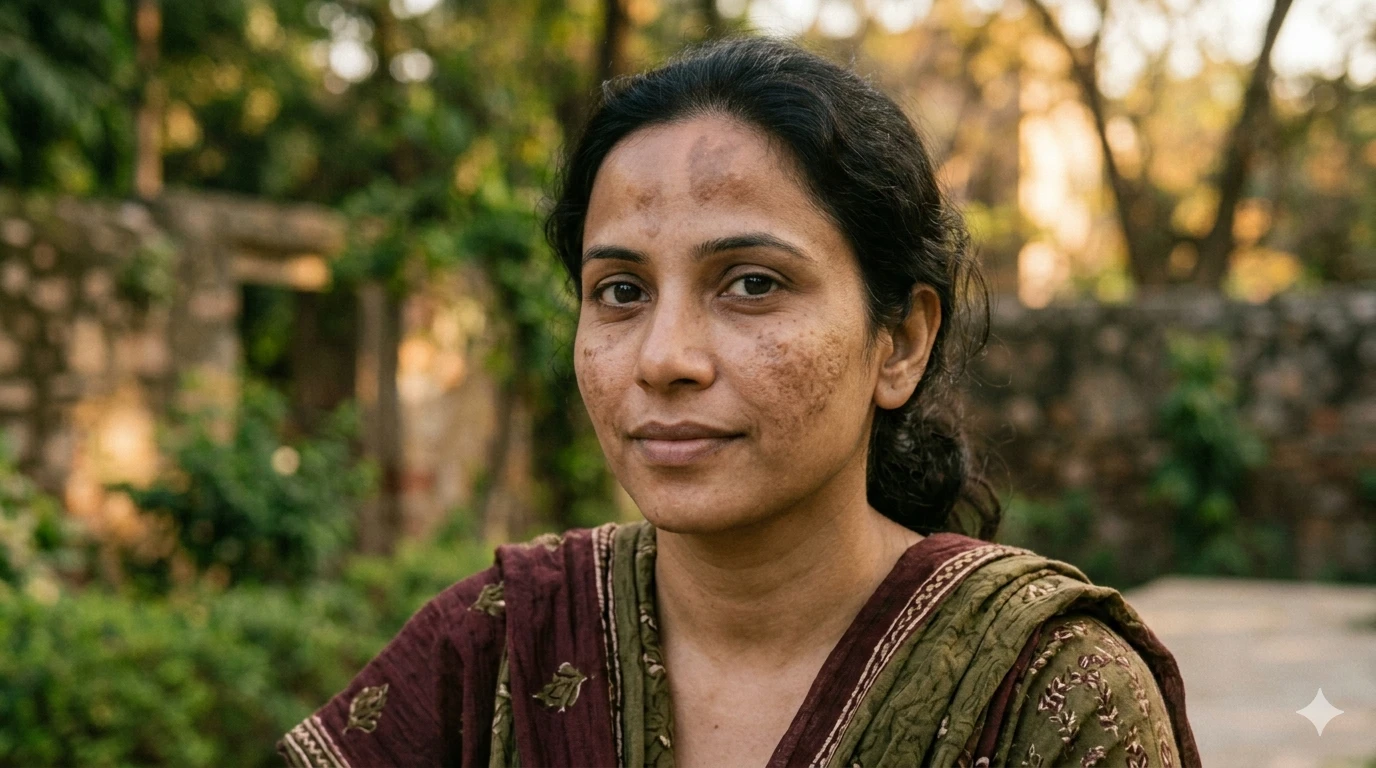
Skin darkening affects millions of people with Indian skin tones, leaving many wondering if their hyperpigmentation concerns can truly be addressed. The good news? Most forms of skin darkening in Indian skin are indeed treatable with the right approach and realistic expectations. From melasma triggered by hormonal changes to stubborn acne scars, understanding your specific type of pigmentation is the first step toward clearer, more even-toned skin. Let's dive into the science behind why Indian skin experiences darkening more frequently and explore the proven treatment options that actually work.
Indian skin typically falls within Fitzpatrick skin types III to V, which means it naturally produces more melanin than lighter skin tones. This higher melanin content serves as protection against UV damage but also makes the skin more prone to hyperpigmentation when triggered by various factors.
The genetic makeup of Indian skin includes more active melanocytes (melanin-producing cells) that respond quickly to inflammation, hormonal changes, and environmental stressors. When these cells become overactive, they produce excess melanin, leading to the dark spots and uneven patches that many people struggle with.
India's intense UV radiation and high humidity levels create the perfect storm for pigmentation issues. The combination of direct sunlight and heat can trigger melanin production even through windows or during brief outdoor exposure. Additionally, factors like pollution, dust, and frequent temperature changes between air-conditioned spaces and outdoor heat can cause skin irritation that leads to post-inflammatory hyperpigmentation.
Not all skin darkening is the same, and identifying your specific type is crucial for choosing the right treatment approach. Each type responds differently to various treatments and has unique underlying causes.
Melasma appears as symmetrical brown patches, typically on the cheeks, forehead, nose, and upper lip. This condition is strongly linked to hormonal fluctuations, particularly during pregnancy (often called the "mask of pregnancy") or when using hormonal contraceptives. The patches tend to darken with sun exposure and may fade partially during cooler months.
PIH develops after skin inflammation or injury, making it extremely common in people who experience acne. Even minor breakouts can leave behind dark marks that persist for months. This type of pigmentation can also result from aggressive scrubbing, harsh skincare products, or any form of skin trauma.
These are flat, brown spots that develop from cumulative sun exposure over time. Unlike melasma, they don't follow hormonal patterns and tend to appear on areas most exposed to sunlight like the face, hands, and shoulders. In Indian skin, these spots can appear darker and more defined than in lighter skin tones.
This category includes various forms of darkening such as acanthosis nigricans (dark, velvety patches often in skin folds) and friction-related darkening. These conditions may indicate underlying health issues like insulin resistance or diabetes and require both skincare and medical attention.
The short answer is yes – most forms of skin darkening in Indian skin are treatable, though the degree of improvement and timeline vary significantly. Research shows that with consistent, appropriate treatment, 70-90% of people see noticeable improvement in their pigmentation concerns within 3-6 months.
Several factors influence treatability. Surface-level pigmentation (epidermal) responds faster to treatment than deeper pigmentation (dermal). Fresh pigmentation typically fades more easily than spots that have been present for years. The location of the darkening also matters – facial pigmentation often responds better than body pigmentation due to increased cell turnover on the face.
Success rates vary by condition type. Post-inflammatory hyperpigmentation shows the highest success rates, with 80-95% of cases showing significant improvement. Melasma is more challenging but still treatable, with 60-80% of people achieving satisfactory results. Sun-induced darkening falls somewhere in between, with consistent treatment yielding good results in most cases.
Effective treatment requires a multi-pronged approach that addresses both existing pigmentation and prevents new dark spots from forming. The key is choosing treatments that are both effective and safe for melanin-rich skin.
Retinoids remain the gold standard for treating pigmentation. They work by accelerating cell turnover and preventing melanin from clustering in certain areas. Start with lower concentrations to avoid irritation that could worsen pigmentation. Vitamin C serums provide antioxidant protection while inhibiting melanin production, but stability is crucial – look for forms like magnesium ascorbyl phosphate that work well in humid climates.
Niacinamide offers gentle yet effective pigmentation control by reducing melanin transfer to skin cells. Kojic acid, derived from fungi, provides natural melanin inhibition without the harsh side effects of hydroquinone. Alpha hydroxy acids like glycolic acid help remove pigmented skin cells while promoting healthy cell turnover.
Chemical peels using glycolic acid, lactic acid, or trichloroacetic acid can provide dramatic results when performed by experienced professionals. The key is choosing the right depth and concentration for Indian skin to avoid post-inflammatory hyperpigmentation from the treatment itself.
Laser treatments require extreme caution in darker skin tones. Q-switched lasers and fractional lasers can be effective but must be performed by practitioners experienced with Indian skin. Microneedling with radiofrequency offers a safer alternative that stimulates collagen production while improving pigmentation.
The most effective approach often combines multiple treatments. A typical regimen might include a vitamin C serum in the morning, retinoid at night, and professional treatments every 4-6 weeks. The key is introducing treatments gradually and monitoring skin response to prevent irritation.
While many traditional remedies exist, only a few have scientific backing. Turmeric contains curcumin, which has anti-inflammatory and mild skin-lightening properties. However, it works slowly and may temporarily stain the skin yellow.
Licorice extract contains glabridin, a compound that inhibits melanin production without causing irritation. Green tea extract provides antioxidant benefits and mild pigmentation control. Aloe vera helps with inflammation but has limited direct effects on existing pigmentation.
What to avoid: lemon juice can cause photosensitivity and worsen pigmentation, baking soda is too harsh and can damage the skin barrier, and aggressive scrubbing with natural abrasives can trigger more pigmentation. These remedies work best as supportive treatments alongside proven active ingredients rather than standalone solutions.
Prevention is often easier and more effective than treatment. Daily broad-spectrum sunscreen with at least SPF 30 is non-negotiable, even indoors, as UV rays can penetrate windows. Reapplication every 2-3 hours is crucial, especially during outdoor activities.
A gentle skincare routine that maintains the skin barrier helps prevent inflammation that leads to pigmentation. Avoid aggressive scrubbing, harsh ingredients, and picking at blemishes. Address acne promptly to minimize the risk of post-inflammatory hyperpigmentation.
Lifestyle factors play a significant role. Managing stress, getting adequate sleep, and maintaining stable blood sugar levels can help prevent hormonal fluctuations that trigger melasma. Regular exercise improves circulation and skin health but requires proper sun protection during outdoor activities.
Melasma is manageable but rarely completely curable. With consistent treatment combining topical agents, sun protection, and professional procedures, 70-80% improvement is achievable. However, melasma tends to recur, especially during hormonal changes or increased sun exposure, making maintenance therapy essential for long-term results.
Most skin darkening in Indian skin is treatable, though deeper pigmentation may take 6-12 months to fade significantly. Truly permanent darkening is rare and usually results from scarring, genetic conditions, or very deep dermal pigmentation. Even stubborn cases often show some improvement with persistent, appropriate treatment.
Internal factors can cause darkening even without direct sun exposure. Hormonal changes during pregnancy or menopause, certain medications, insulin resistance, and friction from clothing or repetitive rubbing can all trigger pigmentation. Post-inflammatory hyperpigmentation from acne or skin irritation is also common and doesn't require sun exposure to develop.
Visible improvement typically begins in 4-6 weeks with consistent treatment, though significant results usually take 3-6 months. Complete fading may take 6-12 months depending on the depth and age of the pigmentation. Surface-level pigmentation responds faster than deeper pigmentation, and newer spots fade more quickly than older ones.
Avoid harsh scrubs, high concentrations of acids without proper introduction, and ingredients that cause photosensitivity like bergamot oil or lemon juice. Be cautious with hydroquinone, which can cause rebound pigmentation in some people. Always patch test new products and introduce active ingredients gradually to prevent irritation that could worsen pigmentation.
Yes, but layering should be done carefully to avoid irritation. A typical routine might include vitamin C in the morning and retinoid at night, with niacinamide used twice daily. Start with one active ingredient and gradually introduce others. Always use sunscreen when using any pigmentation treatments, as many increase photosensitivity.
Skin darkening in Indian skin is not only treatable but often shows excellent results with the right approach. The key lies in identifying your specific type of pigmentation, choosing appropriate treatments, and maintaining realistic expectations about timelines. Most people see significant improvement within 3-6 months of consistent treatment.
Success requires patience, consistency, and often a combination of treatments rather than relying on a single product or procedure. Prevention through daily sun protection and gentle skincare practices is equally important as treatment. Remember that maintaining results requires ongoing care – pigmentation can return if triggering factors aren't addressed.
While the journey to clearer, more even-toned skin takes time, the science clearly shows that with proper treatment, most forms of hyperpigmentation in Indian skin can be significantly improved or even eliminated. The key is starting with realistic expectations and committing to a consistent routine that addresses both existing pigmentation and prevents new dark spots from forming.
