


Inner Thigh Blackheads & Dark Skin: Your Biggest Questions, Answered
Your Cart
0You May Also Like
Blackheads and dark inner thighs can feel like one problem, but they are not. Blackheads are clogged pores. Inner thigh hyperpigmentation is extra melanin left behind after friction, sweat, irritation, or breakouts. Both are common, especially on melanin-rich skin, where irritation can leave a darker mark. The goal is not harsh scrubbing or a quick cure. It is to clear pores gently, reduce rubbing, and use a steady routine. If you are trying to figure out how to remove blackheads from inner thighs and deal with dark skin in the same area, you are not alone — this is a common concern for people who are active or live in warm climates. Asaya formulates pigmentation care with Indian skin in mind, which matters when dark spots tend to linger after even small bouts of irritation.
Blackheads need gentle pore care. Dark inner thighs need time, less friction, and pigment-focused care.
Do not squeeze, scrub hard, or use strong acids too often. Irritation can deepen uneven skin tone.
Use leave-on exfoliants carefully, keep the area dry, and patch test new products.
Friction, sweat, and tight fabric can trap oil and dead skin around pores. This can lead to blackheads. The same rubbing can trigger extra melanin, which causes dark inner thighs.
These are separate concerns, though they often appear together. A blackhead looks like a dark pore plug. A dark spot is usually flat and remains after irritation or acne.
The inner thigh area has frequent skin-on-skin contact. Clothes can also hold heat and moisture close to the skin. This occlusion makes clogged pores more likely. Hormonal changes may also affect oil and breakouts in this area. None of this means your hygiene is poor.
Picking or squeezing a blackhead can inflame the skin. On deeper tones, that inflammation may leave post-inflammatory hyperpigmentation. These acne marks can look darker than the original blackhead. Calm, consistent care is usually kinder to melanin-rich skin than aggressive dark spot removal methods.
Start with gentle cleansing and avoid digging into pores. Manual extraction can damage sensitive skin when done at home. If a pore feels sore, swollen, or keeps returning, avoid treating it as a simple blackhead.
Salicylic acid can help clear dead skin and oil from pores. Introduce it slowly and stop if the area stings or feels raw. Do not apply it to broken skin.
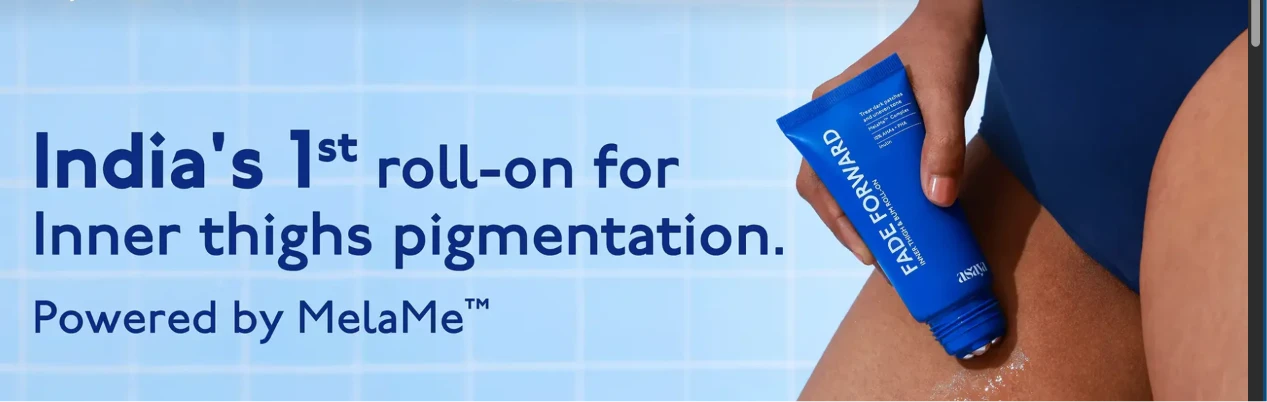
A rough physical inner thigh scrub may worsen friction and uneven skin tone. A mild chemical exfoliant is often easier to control. The Asaya Fade Forward Inner Thigh & Bum Roll-On combines a 10% AHA + PHA blend with MelaMe™ Complex for body pigmentation linked to friction and sweat. Patch test first, then use as directed. Do not layer several exfoliants on the same area.
Dark spots are not always permanent, but they do not fade overnight. The key is to prevent fresh irritation while supporting a more even tone. If friction continues daily, new pigment can form as older marks fade.
If you are managing both body and facial pigmentation, pairing a body roll-on with a facial serum keeps each area treated without cross-application. The Asaya Fade & Fresh Duo pairs the Fade Forward Roll-On with an underarm mist for body pigmentation concerns, while the Asaya Spot Fade Duo pairs the body roll-on with the Advanced Spot Targeting Serum, which is designed for facial dark spots. Use each product only on its intended area.
Niacinamide, kojic acid, and AHAs are commonly used for uneven skin tone and dark spot removal. Niacinamide supports a more even-looking tone. Kojic acid and AHAs can be useful, but both may irritate when overused. For Indian and melanin-rich skin, irritation can mean more visible pigmentation, so patch testing and slow use matter.
Prevention is part of hyperpigmentation treatment. Reduce heat, trapped sweat, and repeated rubbing where you can. Choose habits that feel realistic for your day.
Wear breathable, non-restrictive fabrics when possible.
Change out of sweaty clothing soon after exercise.
Dry the area gently rather than rubbing it hard.
Avoid picking blackheads or shaving over irritated skin.
Pause exfoliation if the skin feels tender or itchy.
These steps will not change skin tone overnight. They can reduce the triggers that keep dark spots and clogged pores returning.
There is no single permanent cure because friction, sweat, and irritation can recur. You can support fading and help prevent new marks with gentle care and friction reduction.
Use products on their intended area. The Asaya Advanced Spot Targeting Serum is formulated for facial pigmentation. For dark inner thighs, the Fade Forward Inner Thigh & Bum Roll-On is the body-focused option.
No. Blackheads are clogged pores. Acne marks are flat dark spots that can remain after a breakout or inflammation, and acne marks treatment focuses on fading pigmentation rather than clearing pores. Clearing pores gently and avoiding picking helps address both concerns.
How to remove blackheads from inner thigh and cure dark skin is really two questions. Clear blackheads gently, then focus on the friction and irritation behind dark spots. Give your skin time and avoid routines that leave it sore.
For pigmentation care, MelaMe™ Complex is Asaya's advanced, melanin-first complex. It is designed to visibly treat discolouration and fade dark spots and acne marks within two weeks of regular use. It works on existing dark spots by breaking excess melanin deposits down into re-absorbable amino acids and helps inhibit excess melanin production. This supports a more even, clarified-looking tone while helping reduce future blemish marks.
