


Indian Skin Tone Guide FAQ: Your Complexion Questions Answered
Your Cart
0You May Also Like
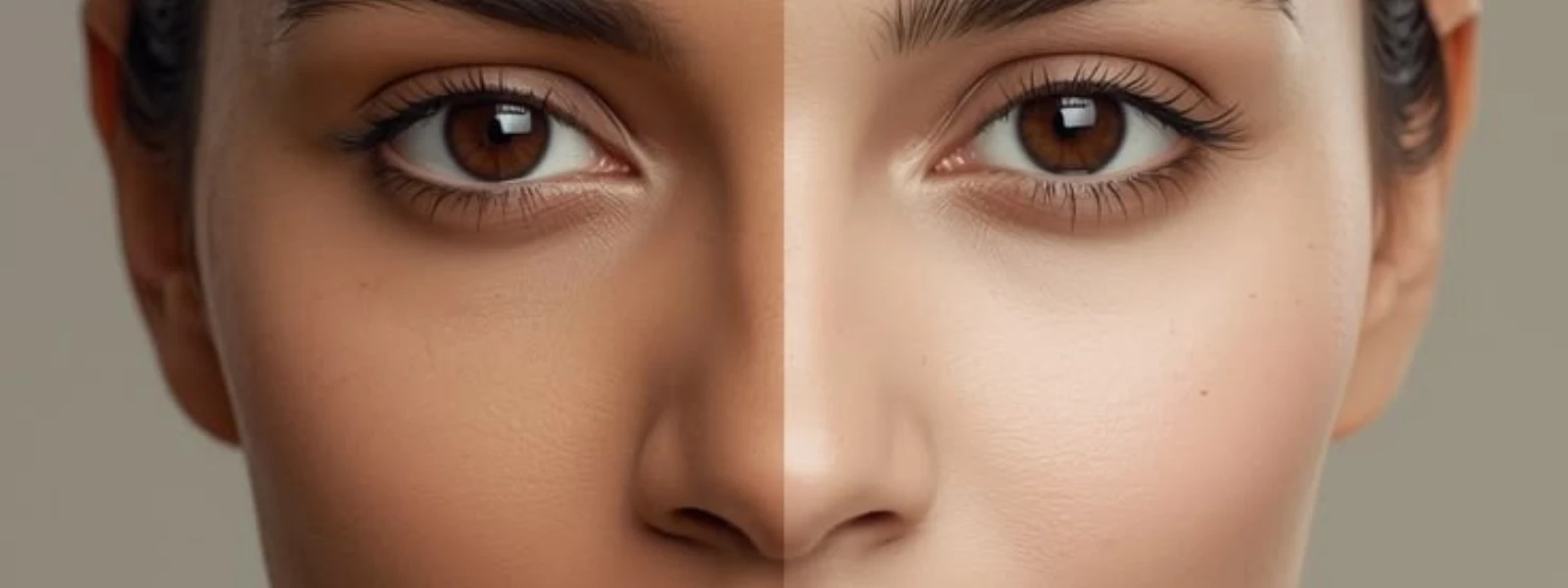
Understanding your skin tone is like having a roadmap to better skincare and makeup choices. For those with Indian heritage, this journey can feel especially complex given the beautiful diversity of complexions across the subcontinent. From the fair porcelain tones of Kashmir to the rich ebony shades of Tamil Nadu, Indian skin encompasses an incredible spectrum that deserves proper understanding and care. Whether you're struggling with hyperpigmentation, searching for the perfect foundation match, or simply want to understand your undertones better, this comprehensive guide addresses the most common questions about Indian skin tones. Let's dive into everything you need to know about identifying, understanding, and caring for your unique complexion.
Indian skin possesses distinct characteristics that set it apart from other ethnicities. The melanin-rich composition provides natural protection against UV damage but also makes it more prone to hyperpigmentation. This means that even minor skin trauma can lead to dark spots that linger for months.
Indian skin contains higher levels of eumelanin, which gives it its beautiful golden to deep brown hues. This increased melanin production is both a blessing and a challenge - it offers natural sun protection but also means that any inflammation can trigger excess pigment production.
Skin tones vary dramatically across different regions of India. Northern states often showcase lighter, golden undertones, while southern regions display deeper, richer complexions. Coastal areas tend to have more olive undertones due to historical trade influences.
Identifying your undertone is crucial for choosing the right skincare ingredients and makeup shades. Unlike surface tone, which can change with sun exposure or skin conditions, your undertone remains constant throughout your life.
Look at the veins on your wrist in natural light. If they appear blue or purple, you likely have cool undertones. Green veins indicate warm undertones, while blue-green suggests neutral undertones.
Notice which metal looks better on your skin. Gold typically flatters warm undertones, while silver complements cool undertones. If both look equally good, you probably have neutral undertones.
Pay attention to how your skin reacts to sun exposure. Cool-toned Indian skin often burns first then tans, while warm-toned skin tends to tan easily with minimal burning.
Traditional Indian skin tone classifications use descriptive terms that reflect cultural beauty standards and regional variations. Understanding these classifications helps in product selection and professional consultations.
Ranges from porcelain to light beige, often with pink or yellow undertones. Common in northern regions and higher altitudes.
Encompasses honey, golden, and light brown shades. This category includes the popular "wheatish" complexion that's considered ideal in many Indian communities.
Includes rich brown to deep ebony shades, often with warm golden or cool red undertones. These tones are particularly beautiful but require specific care for hyperpigmentation concerns.
Hyperpigmentation affects Indian skin more frequently and intensely than lighter skin types. This occurs because melanocytes (pigment-producing cells) are more reactive to inflammation, hormonal changes, and environmental factors.
Post-inflammatory hyperpigmentation from acne, melasma from hormonal changes, and sun spots are the most prevalent concerns. Each type requires different treatment approaches and timelines.
Daily sunscreen use, gentle skincare routines, and avoiding picking at blemishes are essential. Look for broad-spectrum SPF 30 or higher specifically formulated for Indian skin tones.
Indian skin responds well to specific ingredients that address pigmentation while being gentle enough for daily use. Understanding which ingredients work best can transform your skincare routine.
Vitamin C, niacinamide, and kojic acid are excellent for fading dark spots. These ingredients work by inhibiting melanin production and promoting cell turnover.
Salicylic acid and lactic acid provide gentle exfoliation without irritation. These help remove dead skin cells and reveal brighter, more even-toned skin underneath.
Finding the perfect makeup shades for Indian skin requires understanding both your surface tone and undertone. The right colors can enhance your natural beauty and complement your complexion perfectly.
Test foundation on your jawline in natural light. The right shade should disappear into your skin without leaving a visible line. Consider seasonal changes in your skin tone when purchasing.
Warm-toned Indian skin looks stunning in corals, warm browns, and golden shades. Cool-toned skin is complemented by berry tones, jewel colors, and true reds.
There's no single "normal" Indian skin tone as the spectrum ranges from very fair to very deep. The most common range falls between light to medium brown with warm golden undertones. Every shade within this spectrum is beautiful and normal.
The easiest method is the vein test - look at your wrist veins in natural light. Blue or purple veins indicate cool undertones, while green veins suggest warm undertones. You can also consider whether gold or silver jewelry looks better on you.
Your surface skin tone can change due to sun exposure, age, hormonal changes, or skin conditions, but your underlying undertone remains constant. Seasonal variations are normal, with skin often appearing lighter in winter and darker in summer.
Indian skin has more active melanocytes (pigment-producing cells) that react strongly to inflammation, sun exposure, and hormonal changes. This protective mechanism can unfortunately lead to hyperpigmentation even from minor skin trauma.
Skin tone refers to the surface color of your skin, which can change with sun exposure or skin conditions. Undertone is the subtle color beneath the surface that remains constant - it's either warm (yellow/golden), cool (pink/red), or neutral (a mix of both).
Test foundation shades on your jawline in natural light, not artificial store lighting. Consider both your surface tone and undertone. Many brands now offer extensive shade ranges specifically for Indian skin tones with proper undertone matching.
Avoid harsh scrubs, high-concentration acids without proper introduction, and products with artificial fragrances that can trigger inflammation. Always patch-test new products and introduce active ingredients gradually to prevent irritation-induced pigmentation.
With consistent use of appropriate treatments, you can see improvement in 2-4 weeks, though complete fading may take 3-6 months. The timeline depends on the spot's age, depth, and your skin's response to treatment. Patience and consistency are key.
Understanding your Indian skin tone is about more than just choosing the right foundation shade - it's about embracing your unique beauty and caring for your skin appropriately. Remember that Indian skin's tendency toward hyperpigmentation isn't a flaw but rather a characteristic that requires specific care and attention. Whether you have fair porcelain skin or deep ebony tones, the key is understanding your undertones, using appropriate skincare ingredients, and protecting your skin from further damage. With the right knowledge and products, you can achieve healthy, radiant skin that celebrates your natural complexion. Take time to understand your skin's specific needs, be patient with treatments, and remember that every Indian skin tone is beautiful and deserving of proper care.
