


Indian Skin Pigmentation Causes Explained: Your FAQ
Your Cart
0You May Also Like
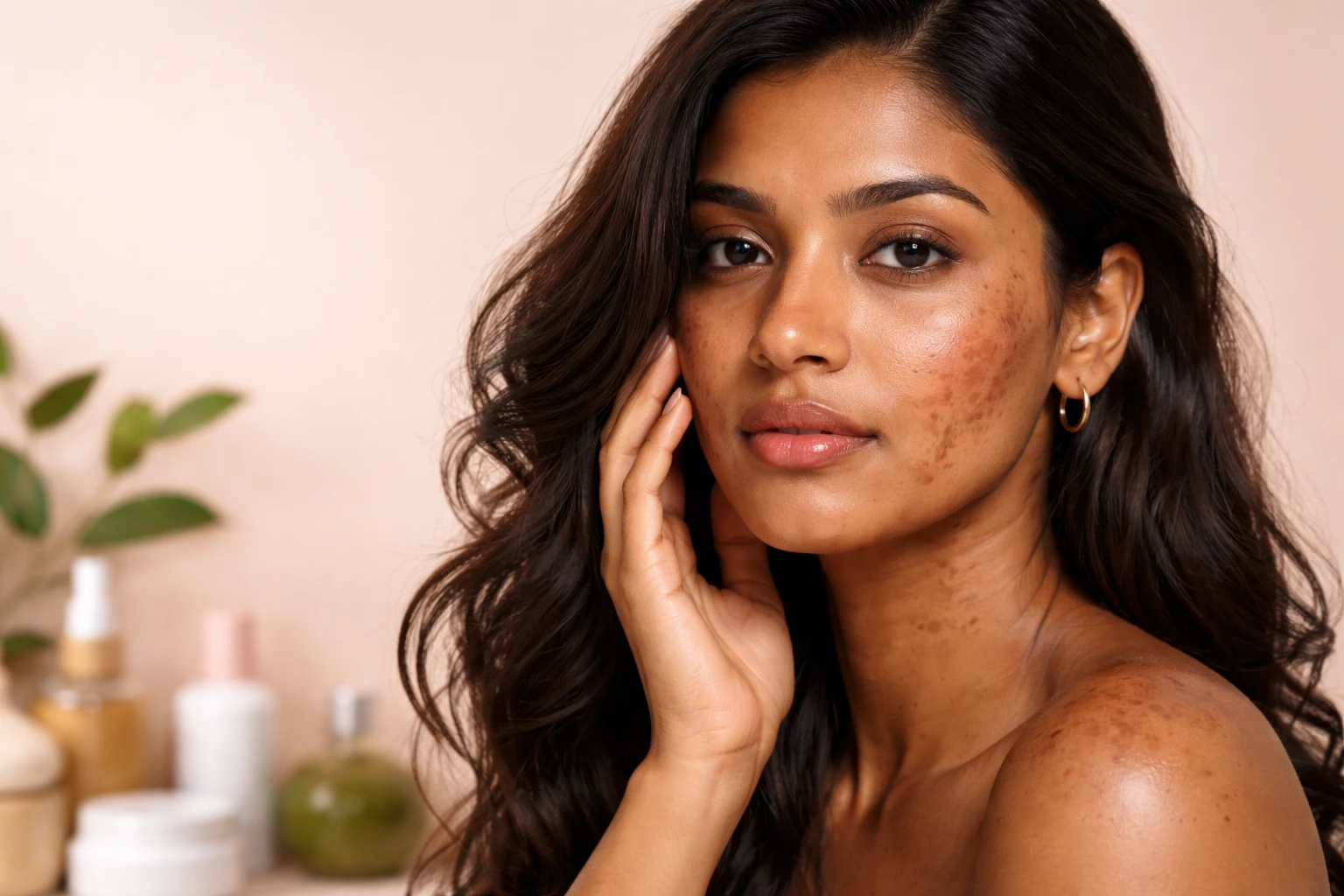
Dark spots, uneven tone, and stubborn pigmentation marks seem to show up faster and stick around longer on Indian skin. If you've noticed this pattern, you're not imagining it. Our melanin-rich complexions respond differently to sun exposure, hormonal changes, and even minor irritation compared to the skin types most global skincare research focuses on. Understanding why this happens is the first step toward managing it effectively. At Asaya, we've spent years researching these specific patterns to create solutions that work with, not against, how Indian skin actually behaves.
Indian skin produces more melanin and reacts more intensely to triggers like sun exposure, hormones, and inflammation, leading to faster and more persistent pigmentation.
Common causes include UV damage, post-inflammatory hyperpigmentation from acne, hormonal changes during pregnancy or PCOS, and environmental factors like pollution.
Prevention through proper sun protection and gentle skincare works better than trying to reverse pigmentation after it forms.
Indian skin typically falls into Fitzpatrick skin types IV and V, which means higher baseline melanin content. This isn't just about color. It means our melanocytes, the cells that produce melanin, are naturally more active and responsive to triggers.
When something irritates the skin or signals danger, like UV exposure or inflammation from a breakout, these melanocytes go into overdrive. They pump out extra melanin as protection, but sometimes they don't know when to stop. The result is those dark spots that seem to appear overnight and take months to fade.
Research shows that melanin production in Indian skin can be 3-5 times more reactive to inflammatory triggers compared to lighter skin types. This explains why a small pimple can leave a dark mark that lasts longer than the actual breakout did.
India's year-round intense UV radiation creates a perfect storm for hyperpigmentation on Indian skin. The UV index regularly hits 8-11 across most Indian cities, which is considered very high to extreme.
UVA rays penetrate deeper and trigger melanin production in the lower layers of skin. UVB rays cause surface damage and inflammation. Both types are abundant in Indian sunlight, and both contribute to uneven skin tone Indian complexion issues.
The tricky part is that sun damage accumulates over time. Those dark patches that suddenly appear in your thirties might be the result of sun exposure from years earlier, finally surfacing as your skin's repair mechanisms slow down with age.
Hormonal changes skin Indian patterns are particularly noticeable during pregnancy, PCOS flare-ups, and thyroid imbalances. Estrogen and progesterone fluctuations directly affect melanocyte activity.
Melasma Indian skin treatment becomes necessary for about 70% of pregnant women in India. The "pregnancy mask" typically appears as symmetrical dark patches on the forehead, cheeks, and upper lip. These patches often worsen with sun exposure and can persist long after delivery if not properly managed.
PCOS affects a significant percentage of Indian women and often comes with insulin resistance. High insulin levels can trigger increased melanin production, especially around the neck, underarms, and groin area. This condition, called acanthosis nigricans, creates velvety dark patches that many mistake for poor hygiene.
Post-inflammatory hyperpigmentation India cases are incredibly common because our skin's inflammatory response is more intense. Any irritation, from acne to mosquito bites to harsh scrubbing, can trigger melanin overproduction.
Acne-related dark spots are the most frequent complaint. The inflammation from a pimple signals melanocytes to produce extra melanin as a protective response. Unfortunately, this protection often outlasts the original problem by months or even years.
Hair removal methods like threading, waxing, and even aggressive shaving can cause skin darkening causes India-specific issues. The repeated trauma and inflammation from these practices can lead to permanent darkening in sensitive areas.
Urban pollution contributes significantly to skin discoloration Indian causes. Particulate matter and chemical pollutants create free radicals that damage skin cells and trigger inflammatory responses. Cities like Delhi and Mumbai have pollution levels that directly correlate with increased pigmentation complaints.
Heat and humidity also play a role. High temperatures increase blood flow to the skin, which can intensify inflammatory responses and make existing pigmentation appear darker. The combination of heat, pollution, and UV exposure creates a challenging environment for maintaining even skin tone.
Dark spots Indian skin typically follow predictable patterns. Facial pigmentation often concentrates on the forehead, cheeks, and around the mouth. These areas get the most sun exposure and are most susceptible to hormonal influences.
Darkening around the mouth is particularly common in Indian women. This can result from hormonal changes, certain toothpastes, lip products, or even dietary factors like excessive tea or coffee consumption. The thin skin in this area makes pigmentation more noticeable and harder to treat.
These areas often darken due to friction, hormonal changes, or insulin resistance. The skin folds create a warm, moist environment that can worsen pigmentation and make it more persistent.
Indian skin has higher melanin content and more reactive melanocytes. This means any trigger, from sun exposure to minor irritation, can cause melanin overproduction. It's a protective mechanism, but it often goes into overdrive.
Most pigmentation can be significantly improved with consistent treatment, but complete reversal depends on the cause and depth of the pigmentation. Surface-level dark spots respond better than deeper melasma. Realistic expectations are 60-80% improvement over 3-6 months with proper treatment.
With consistent treatment using effective ingredients, most people see initial improvements in 2-4 weeks. Significant fading typically takes 8-12 weeks. Deeper pigmentation or hormonal melasma may take 6 months or longer to show substantial improvement.
Avoid harsh scrubs, high-concentration acids without proper introduction, and products with artificial fragrances or dyes. Mercury-containing fairness creams are dangerous and should never be used. Always patch-test new products, as Asaya formulations are specifically tested for Indian skin tolerance.
Yes, there's a genetic component to how your skin responds to triggers. If your parents or siblings develop pigmentation easily, you're more likely to as well. However, environmental factors and skincare habits play a bigger role than genetics alone.
Indian skin tones commonly fall within Fitzpatrick skin types IV and V, characterized by a higher melanin content and a greater tendency to tan rather than burn. This means they are more prone to developing hyperpigmentation compared to lighter skin types.
Prevention is always easier than treatment. For Indian skin, this means religious sun protection with SPF 30 or higher, reapplied every 2-3 hours. Physical sunscreens with zinc oxide or titanium dioxide work well for sensitive skin.
Gentle skincare is crucial. Avoid over-scrubbing, harsh chemicals, and products that cause irritation. Your skin should never feel tight, burning, or excessively dry after using a product.
Address underlying health issues like PCOS, thyroid problems, or insulin resistance. These conditions directly affect your skin's pigmentation patterns and need medical management alongside topical treatments.
Understanding why Indian skin develops pigmentation differently helps you make better choices about prevention and treatment. The key is working with your skin's natural tendencies rather than fighting against them.
This is where targeted solutions like MelaMe™ Complex make a difference. If you've wondered why your skin gets dark spots easily, MelaMe™ works by slowing down the cells that make too much melanin and helping your skin clear out existing dark spots naturally. It restores skin more effectively, uniformly, and faster than traditional ingredients used to treat hyperpigmentation, because it was formulated specifically for how Indian skin behaves.
