


Indian Pigmentation Treatment Guide: Your Questions Answered
Your Cart
0You May Also Like
Pigmentation concerns affect millions of people across India, with our unique skin characteristics making us more prone to dark spots, uneven tone, and stubborn discoloration. Whether you're dealing with post-acne marks, melasma, or sun damage, understanding the right treatment approach for Indian skin is crucial for achieving clear, even-toned skin. This comprehensive guide addresses the most common questions about Indian pigmentation treatment, helping you navigate the complex world of skincare with confidence and clarity.
Indian skin has unique characteristics that make it more susceptible to pigmentation issues compared to lighter skin tones. Our higher melanin content, while protective against UV damage, also means we're more prone to developing dark spots and uneven skin tone when our skin is irritated or damaged.
The science behind this lies in our melanocyte activity - the cells responsible for producing melanin work more actively in Indian skin. This increased activity means that even minor skin trauma, hormonal changes, or sun exposure can trigger excessive melanin production, leading to visible dark spots and patches.
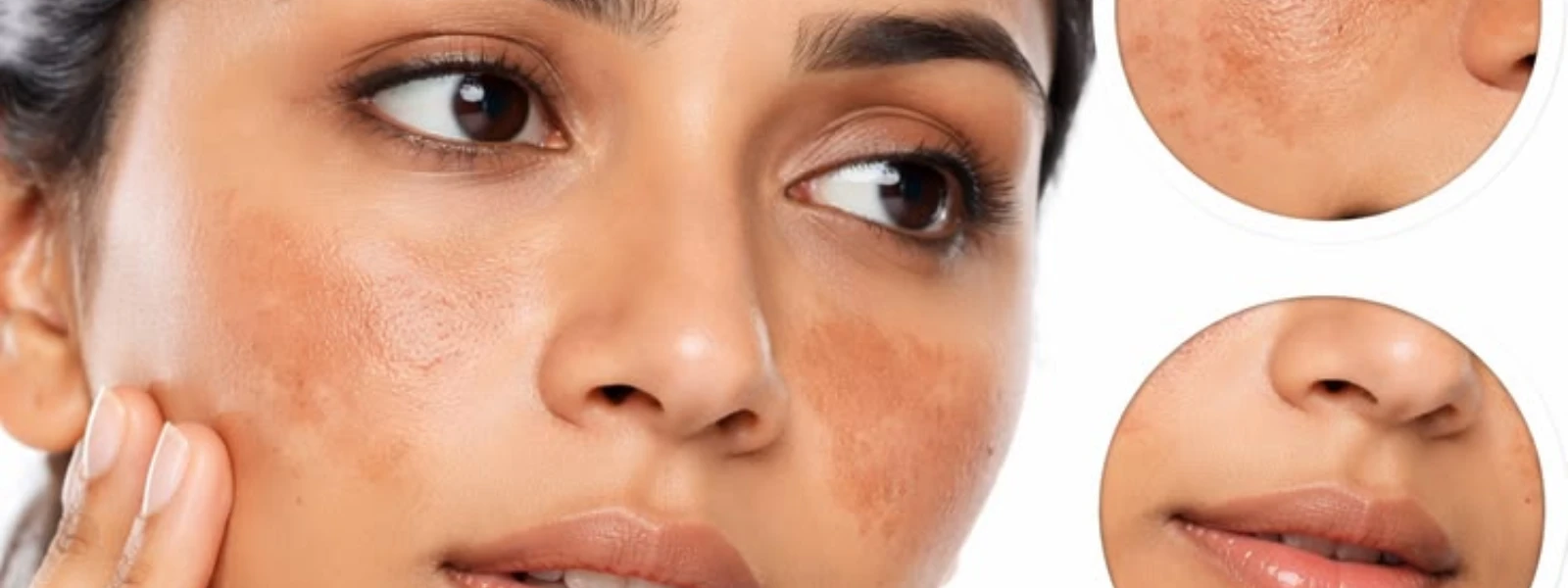
Several types of pigmentation commonly affect Indian skin. Melasma appears as brown patches, often triggered by hormonal changes during pregnancy or due to birth control use. Post-inflammatory hyperpigmentation develops after acne, cuts, or other skin injuries, leaving behind dark marks that can persist for months.
Sun-induced pigmentation, including age spots and solar lentigines, is particularly common due to India's intense UV exposure. Additionally, many Indians experience perioral hyperpigmentation - darkening around the mouth area - which can be caused by hormonal factors, friction, or certain skincare products.
When it comes to pigmentation removal, professional treatments offer the most dramatic and lasting results. However, choosing the right treatment for Indian skin requires careful consideration of our skin's unique needs and potential for complications.
Dermatologist-recommended treatments focus on safely reducing melanin production while avoiding the risk of post-inflammatory hyperpigmentation that can occur with aggressive treatments on darker skin tones.
Hydroquinone remains the gold standard for melanin reduction, but it must be used carefully on Indian skin. Concentrations between 2-4% are typically prescribed, often combined with tretinoin and a mild steroid in what's called "triple therapy." This combination approach helps accelerate cell turnover while reducing inflammation.
Treatment timelines vary, but most people see initial improvements within 6-8 weeks, with significant results appearing after 3-4 months of consistent use.
Chemical peels designed for darker skin tones can effectively treat uneven skin tone and surface pigmentation. Glycolic acid, lactic acid, and mandelic acid peels are generally safer options for Indian skin compared to deeper peels that might cause complications.
Laser treatments require expertise in treating darker skin. Q-switched lasers are often preferred over IPL for Indian skin types, as they're less likely to cause burns or paradoxical darkening.
Understanding which ingredients work best for Indian skin pigmentation can help you build an effective at-home routine. The key is choosing ingredients that are both effective and gentle enough for regular use on our skin type.
Vitamin C stands out as one of the most versatile ingredients for treating skin discoloration. It not only helps fade existing dark spots but also prevents new ones from forming by neutralizing free radicals and inhibiting melanin production.
Niacinamide is particularly beneficial for Indian skin as it addresses multiple concerns simultaneously. At concentrations of 2-5%, it helps reduce melanin transfer to skin cells while strengthening the skin barrier and controlling oil production.
Alpha arbutin and kojic acid are gentler alternatives to hydroquinone, making them suitable for long-term use. These ingredients work by inhibiting tyrosinase, the enzyme responsible for melanin production.
While natural remedies for pigmentation are popular, it's important to focus on those with scientific evidence. Licorice root extract contains glabridin, which has been shown to inhibit melanin production effectively.
Turmeric, a staple in Indian households, contains curcumin which has anti-inflammatory and mild depigmenting properties. However, it should be used carefully to avoid staining the skin yellow.
Treating dark spots on Indian skin requires a delicate balance between effectiveness and safety. Our skin's tendency to develop post-inflammatory hyperpigmentation means that overly aggressive treatments can actually worsen pigmentation issues.
The key to successful hyperpigmentation treatment lies in gradual, consistent application of proven ingredients while maintaining strict sun protection throughout the treatment process.
Starting with lower concentrations of active ingredients and gradually increasing strength helps minimize irritation. Patch testing new products on a small area for 48 hours before full application can prevent adverse reactions.
Proper moisturization and sun protection are non-negotiable during any pigmentation treatment, as compromised skin barrier function can lead to increased sensitivity and potential darkening.
A successful routine typically includes a gentle cleanser, treatment serums with active ingredients, moisturizer, and broad-spectrum sunscreen with at least SPF 30. Evening routines can incorporate stronger actives like retinoids or higher concentrations of vitamin C.
Consistency is crucial - sporadic use of even the best products won't deliver the desired results for stubborn pigmentation issues.
Most people begin to see initial improvements in 4-6 weeks with consistent treatment. Significant fading of dark spots typically occurs after 8-12 weeks of regular use. Complete resolution of stubborn pigmentation can take 6-12 months, depending on the severity and type of pigmentation.
While complete removal is possible for some types of pigmentation, realistic expectations are important. Surface-level pigmentation responds better to treatment than deeper, hormonal pigmentation like melasma. Most people achieve significant improvement (70-90% fading) rather than complete elimination.
Avoid harsh scrubbing, picking at dark spots, and using multiple new products simultaneously. Skip ingredients like lemon juice or baking soda, which can irritate skin and worsen pigmentation. Most importantly, never skip sunscreen, as UV exposure can undo months of treatment progress.
Not necessarily. Many affordable, clinically-formulated products contain the same active ingredients as expensive alternatives. The key is choosing products with proven ingredients at effective concentrations, regardless of price point. Consistency in use matters more than cost.
Prevention involves daily sunscreen use, gentle skincare practices, and maintaining a basic routine with mild exfoliating ingredients like vitamin C or niacinamide. Address acne promptly to prevent post-inflammatory hyperpigmentation, and avoid picking or squeezing blemishes.
Yes, but introduce them gradually. Start with one active ingredient and add others slowly, spacing them throughout your routine. For example, use vitamin C in the morning and retinoids at night. Always monitor your skin for irritation and adjust accordingly.
Successful pigmentation treatment for Indian skin requires patience, consistency, and the right combination of ingredients. Focus on proven actives like vitamin C, niacinamide, and gentle exfoliants while maintaining strict sun protection. Remember that gradual improvement is safer and more sustainable than aggressive treatments that might cause complications.
Whether you choose professional treatments or at-home care, understanding your skin's unique needs and responding accordingly will help you achieve the clear, even-toned complexion you desire. Start with gentle, well-formulated products and be patient - lasting results take time, but they're absolutely achievable with the right approach.
