


Hyperpigmentation: Your Complete Serum Guide
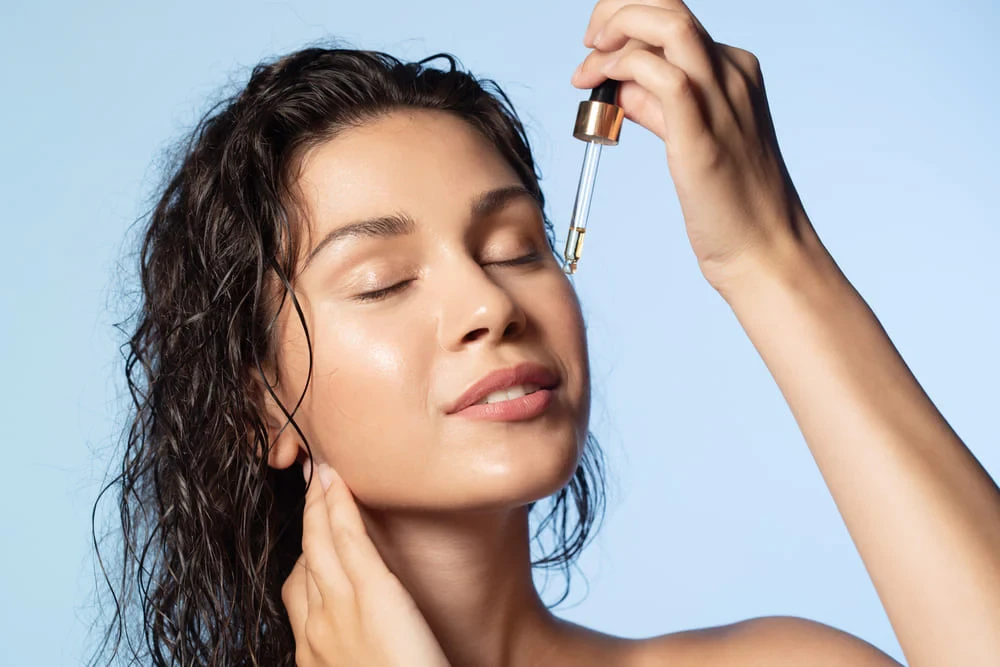
Dark spots, uneven patches, and stubborn discoloration affect nearly 90% of people over 50, but the good news is that targeted skincare can make a real difference. If you've been struggling with hyperpigmentation treatment, you're not alone in wondering which products actually deliver results. The secret lies in understanding how targeted serums help pigmentation at the cellular level, working to interrupt the processes that create and maintain those frustrating dark spots. With the right approach and realistic expectations, visible improvements typically appear within 4-12 weeks of consistent use.
Hyperpigmentation happens when your skin produces too much melanin in specific areas, creating those noticeable dark patches that can make your complexion look uneven. The main skin pigmentation causes include UV damage from sun exposure, hormonal changes during pregnancy or menopause, and inflammation from acne or injuries. There are several types of skin discoloration you might be dealing with. Melasma typically appears as brown patches on the face and is often triggered by hormones. Post-inflammatory hyperpigmentation shows up after acne, cuts, or other skin trauma. Age spots and sun damage create scattered dark patches, especially on areas that get the most sun exposure like your face, hands, and shoulders.
Your skin contains special cells called melanocytes that produce melanin through an enzyme called tyrosinase. When these cells get overstimulated by sun damage, hormones, or inflammation, they go into overdrive and create more pigment than your skin needs. This excess melanin gets deposited in different layers of your skin, which is why some dark spots fade quickly while others seem permanent.
Serums have a unique advantage over other hyperpigmentation treatment options because of their molecular structure and concentration. Unlike thick creams that sit on your skin's surface, serums contain smaller molecules that can penetrate deeper into your skin layers where pigmentation actually forms. This means the active ingredients can work directly on the source of the problem rather than just treating surface symptoms. The key to effective melanin reduction lies in targeting multiple pathways at once. The best serum for dark spots will inhibit tyrosinase enzyme activity to prevent new pigment formation, accelerate cell turnover to bring fresh skin to the surface faster, and provide antioxidant protection to prevent future damage.
Vitamin C stands out as one of the most researched brightening serum ingredients, with L-Ascorbic Acid concentrations of 10-20% showing the best results. Niacinamide at 5-10% concentration helps prevent melanin transfer from pigment-producing cells to surface skin cells. Kojic acid, derived from fungi, naturally inhibits tyrosinase enzyme activity. Tranexamic acid has emerged as a breakthrough ingredient specifically for stubborn melasma. Licorice root extract offers a gentler natural brightening option, while alpha arbutin provides an effective alternative to hydroquinone for sensitive skin types.
Different types of pigmentation respond better to specific ingredient combinations. Post-inflammatory hyperpigmentation from acne typically responds well to niacinamide and vitamin C combinations. Melasma and hormonal pigmentation often require stronger ingredients like tranexamic acid or kojic acid. Sun damage and age spots usually need consistent vitamin C and alpha arbutin treatment. For sensitive skin, start with lower concentrations and gentler ingredients like licorice root extract or alpha arbutin. You can always increase strength as your skin builds tolerance. Remember that targeted skincare works best when you match the treatment to your specific type of pigmentation.
While many effective serums are available without a prescription, some stubborn pigmentation cases benefit from professional guidance. Dermatologists can prescribe higher-concentration treatments or recommend combination therapies that include chemical peels or laser treatments alongside your serum routine.
Your morning routine should focus on treatment and protection. After cleansing, apply your brightening serum to clean, dry skin, allowing it to absorb completely before layering on SPF 30 or higher. Sun protection is crucial because UV exposure can undo all your pigmentation correction progress. Evening routines allow for more intensive treatment. Double cleansing removes sunscreen and daily buildup, creating the perfect canvas for serum absorption. Apply your treatment serum to problem areas first, then follow with a moisturizer to prevent irritation and support your skin barrier.
Take photos in consistent lighting every two weeks to track your progress objectively. Initial results typically appear around 4-6 weeks, with significant improvement visible by 12 weeks. Some people experience mild purging or irritation initially, which usually subsides as your skin adjusts to the active ingredients.
Serums can significantly fade most types of hyperpigmentation, but complete removal depends on factors like pigmentation depth, your skin type, and how long the dark spots have been present. Surface-level pigmentation typically fades more completely than deeper, older spots.
Dermatologists typically recommend vitamin C, niacinamide, kojic acid, and tranexamic acid as first-line treatments. They emphasize consistent daily SPF use and often suggest combining serums with professional treatments for faster results.
Oily skin can typically handle stronger concentrations and multiple active ingredients. Dry or sensitive skin benefits from gentler formulations with hydrating ingredients like hyaluronic acid. Mature skin often responds well to vitamin C combined with peptides for added anti-aging benefits.
Most people notice initial improvements around 4-6 weeks, with significant results visible by 8-12 weeks. Factors like consistent use, proper sun protection, and choosing the right ingredients for your pigmentation type can speed up results.
Effective pigmentation correction requires understanding your specific type of hyperpigmentation and choosing targeted ingredients that address the root causes. Serums offer superior penetration and concentration compared to other treatment options, making them an excellent choice for addressing uneven skin tone. Remember that consistency, patience, and proper sun protection are just as important as choosing the right serum. With the right approach, you can achieve the even, radiant complexion you've been working toward.
