


Hyperpigmentation Treatments: Natural vs Clinical Approaches
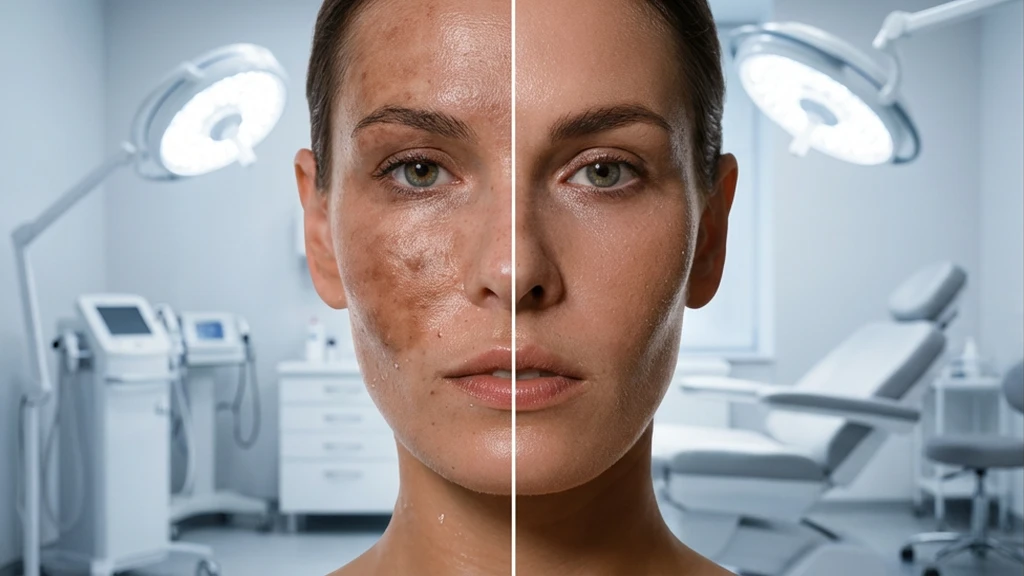
Dark spots and uneven skin tone can feel like unwelcome guests that overstay their welcome. Whether it's from last summer's sun exposure, old acne marks, or hormonal changes, hyperpigmentation affects nearly everyone at some point. The good news? Prevention is your strongest ally in this battle. Understanding how to prevent hyperpigmentation through both natural and clinical approaches gives you the power to maintain radiant, even-toned skin. Let's explore the most effective strategies that work with your skin's natural processes while leveraging proven scientific methods.
Before diving into prevention strategies, it's crucial to understand what triggers skin discoloration causes in the first place. Hyperpigmentation occurs when your skin produces excess melanin, the pigment responsible for your natural skin color. This overproduction creates those frustrating dark patches that seem to appear overnight but take forever to fade.
Think of melanin production as your skin's natural defense system. When your skin senses potential damage from UV rays, inflammation, or injury, it rushes to protect itself by producing more melanin. While this mechanism serves an important protective function, it can sometimes go into overdrive, creating more pigment than necessary.
The most common culprit behind dark spots is sun damage prevention neglect. UV radiation doesn't just cause immediate burns – it triggers long-term changes in how your skin produces melanin. Even brief, daily exposures without protection can accumulate over time, leading to age spots and general skin darkening.
Post-inflammatory hyperpigmentation represents another major category. This occurs when acne, cuts, burns, or even aggressive skincare treatments leave behind dark marks. Your skin essentially "remembers" the trauma and continues producing excess pigment long after the initial injury has healed.
If you take away just one thing from this guide, let it be this: consistent sun protection is the most powerful tool in your hyperpigmentation treatment arsenal. Without proper sun protection, even the most expensive serums and treatments will struggle to deliver lasting results.
Daily sunscreen application isn't just for beach days. UV rays penetrate windows, reflect off surfaces, and remain present even on cloudy days. Your skin needs broad-spectrum SPF 30 or higher every single day, applied generously and reapplied every two hours when outdoors.
Not all sunscreens are created equal when it comes to preventing hyperpigmentation. Look for formulas containing iron oxide, especially if you have deeper skin tones. Iron oxide provides additional protection against visible light, which can trigger melanin production in ways that traditional UV filters might miss.
Tinted sunscreens often contain iron oxide and offer the bonus of evening out your complexion while protecting it. This dual function makes them particularly valuable for those already dealing with uneven skin tone while working to prevent future dark spots.
Sunscreen works best when combined with physical protection methods. Wide-brimmed hats create shade for your face and neck, while UV-protective clothing shields your body from harmful rays. These physical barriers provide reliable protection that doesn't wear off or need reapplication.
Timing also matters significantly. UV rays are strongest between 10 AM and 4 PM, so scheduling outdoor activities outside these hours reduces your exposure risk. When you must be outside during peak hours, seek shade whenever possible and take frequent breaks indoors.
While sun protection addresses external threats, preventing inflammation-related hyperpigmentation requires a gentler approach to your daily skincare routine. Harsh scrubbing, aggressive treatments, and picking at blemishes can all trigger the inflammatory response that leads to dark spots.
The key lies in treating your skin with the same care you'd show a healing wound. Even minor irritation can set off the melanin production cascade, especially in those prone to post-inflammatory hyperpigmentation.
Replace harsh physical scrubs with gentle chemical exfoliants that work gradually. Avoid picking at acne or scabs, no matter how tempting it might be. When breakouts occur, treat them promptly with appropriate acne medications rather than letting inflammation linger.
Choose skincare products with calming ingredients like niacinamide, which helps reduce inflammation while regulating melanin production. This dual action makes it particularly valuable for preventing both active breakouts and the dark spots they might leave behind.
Natural hyperpigmentation remedies focus on supporting your skin's natural healing processes while gently inhibiting excess melanin production. These approaches work gradually but offer the advantage of being generally well-tolerated by most skin types.
Vitamin C stands out as a powerhouse ingredient for natural skin brightening. This antioxidant not only protects against free radical damage but also interferes with the enzyme tyrosinase, which plays a crucial role in melanin production. Regular use can help prevent new dark spots while gradually lightening existing ones.
Kojic acid, derived from fungi, offers gentle melanin inhibition without the potential irritation of stronger clinical ingredients. Azelaic acid, found naturally in grains, provides both antibacterial and brightening benefits, making it particularly useful for those dealing with acne-related pigmentation.
Niacinamide deserves special mention for its versatility. This form of vitamin B3 reduces inflammation, regulates oil production, and helps prevent the transfer of melanin to skin cells. It's gentle enough for daily use and works well with other active ingredients.
Your diet plays a surprising role in skin health and pigmentation. Antioxidant-rich foods help combat the oxidative stress that can trigger melanin overproduction. Think colorful fruits and vegetables, green tea, and foods high in vitamins C and E.
Adequate sleep and stress management also contribute to skin health. Chronic stress can disrupt hormone levels, potentially triggering conditions like melasma. Quality sleep gives your skin time to repair and regenerate, supporting overall skin health and resilience.
When natural approaches need reinforcement, clinical treatments offer more intensive options for dark spots removal. These treatments typically work faster than natural methods but require professional guidance to ensure safety and effectiveness.
Hydroquinone remains the gold standard for clinical hyperpigmentation treatment. This ingredient directly inhibits tyrosinase, effectively putting the brakes on melanin production. However, it requires careful use and professional supervision to avoid potential side effects.
Chemical peels offer controlled exfoliation that can help fade dark spots more quickly than topical treatments alone. These procedures remove damaged skin layers while stimulating cell turnover, revealing fresher, more evenly toned skin underneath.
Laser treatments and IPL (Intense Pulsed Light) therapy target pigmented cells directly, breaking up melanin deposits for the body to naturally eliminate. These procedures require multiple sessions but can address stubborn pigmentation that doesn't respond to topical treatments.
The most effective approach to preventing hyperpigmentation combines consistent daily habits with targeted treatments. Your morning routine should focus on protection, while evening care emphasizes repair and renewal.
Start each day with a gentle cleanser, followed by an antioxidant serum containing vitamin C or niacinamide. Always finish with broad-spectrum sunscreen, regardless of weather or indoor plans. This simple routine provides the foundation for long-term prevention.
Evening routines can incorporate more active ingredients since you won't be exposed to sun immediately afterward. Gentle retinoids, alpha hydroxy acids, or other brightening ingredients work while you sleep to promote cell turnover and prevent pigment buildup.
Remember that consistency trumps intensity. A gentle routine followed religiously will deliver better results than aggressive treatments used sporadically. Your skin responds best to steady, patient care rather than dramatic interventions.
Prevention results vary depending on your approach and skin type. With consistent sun protection and gentle brightening ingredients, you might notice improvements in 6-8 weeks. However, preventing new dark spots is an ongoing process that requires long-term commitment to protective habits.
Natural ingredients work more gradually but can be very effective for prevention and mild pigmentation. Clinical treatments typically work faster for existing dark spots, but natural approaches often have fewer side effects and work well for long-term maintenance.
Prevention focuses on stopping new dark spots from forming through sun protection and gentle skincare. Treatment targets existing pigmentation with stronger ingredients or procedures. The best approach combines both strategies for comprehensive skin care.
While you can't eliminate all risk factors, consistent prevention strategies can dramatically reduce your likelihood of developing new dark spots. Factors like genetics and hormonal changes may still cause some pigmentation, but proper prevention minimizes their impact.
Preventing hyperpigmentation requires a multi-faceted approach that combines daily sun protection, gentle skincare practices, and targeted ingredients. Whether you choose natural methods, clinical treatments, or a combination of both, consistency is your greatest asset in maintaining even, radiant skin.
Remember that prevention is always easier than treatment. By establishing protective habits now, you're investing in your skin's long-term health and appearance. Start with the basics – daily sunscreen and gentle care – then gradually incorporate additional preventive measures as needed. Your future self will thank you for the effort you put in today.
