


Hyperpigmentation Dark Spots: Your Complete FAQ Guide
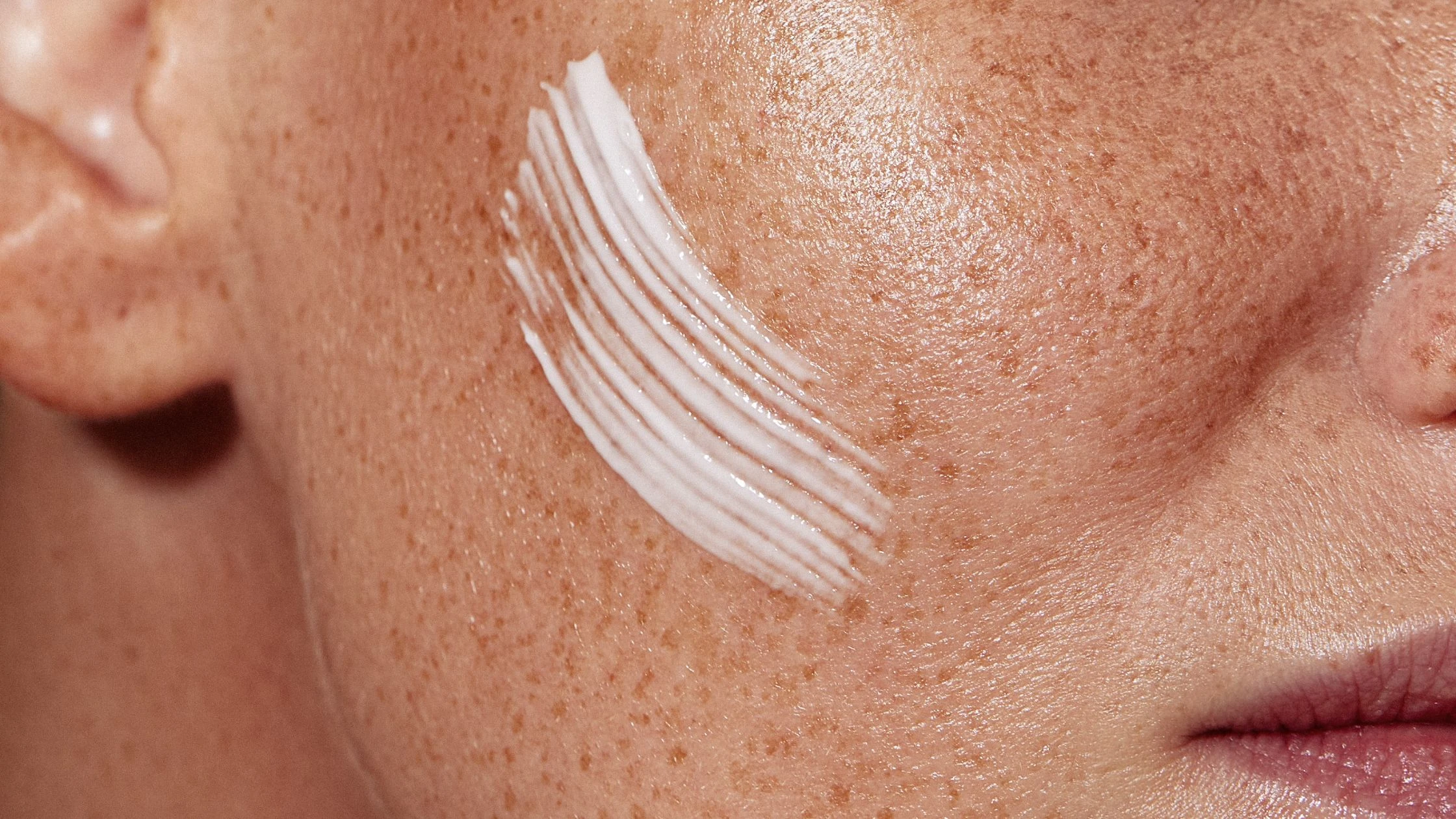
Dark spots on your skin can feel frustrating, especially when they seem to appear out of nowhere. Whether you're dealing with stubborn age spots, melasma patches, or marks left behind from breakouts, you're not alone in this journey. Hyperpigmentation affects people of all skin types and ages, creating uneven skin tone that can impact your confidence. The good news? Understanding what causes these dark spots and knowing your treatment options can help you achieve the clearer, more even complexion you're looking for. Let's dive into everything you need to know about hyperpigmentation dark spots and how to address them effectively.
Hyperpigmentation dark spots are areas where your skin produces too much melanin, the pigment that gives your skin its color. These spots appear darker than your surrounding skin and can range from light brown to deep black or gray patches. You'll most commonly find them on areas that get sun exposure like your face, hands, shoulders, and arms.
The process happens when certain triggers cause your melanocytes (pigment-producing cells) to go into overdrive. Unlike freckles or birthmarks, hyperpigmentation typically develops over time due to various factors. Skin discoloration from hyperpigmentation differs from normal skin variations because it represents an abnormal concentration of melanin in specific areas.
Most dark spots are harmless, but it's important to monitor any changes in size, color, or texture. If a spot becomes irregular, bleeds, or grows rapidly, consult a dermatologist to rule out more serious conditions.
Understanding hyperpigmentation causes helps you prevent future spots while treating existing ones. Sun exposure tops the list as the primary culprit, with UV rays triggering melanin production as your skin's natural defense mechanism.
Sunspots and age spots develop from cumulative UV exposure over years. Even brief daily exposure without protection can lead to these persistent marks. Environmental pollutants can also contribute to oxidative stress that triggers pigmentation.
When your skin experiences trauma from acne, cuts, burns, or even aggressive skincare treatments, it can respond with excess melanin production. This PIH treatment requires patience, as these spots often take months to fade naturally.
Pregnancy, birth control pills, and hormone replacement therapy can trigger melasma, creating symmetrical patches typically on the face. These hormonal changes make your skin more sensitive to sun exposure, amplifying pigmentation issues.
Professional treatments offer the fastest and most dramatic results for stubborn hyperpigmentation dark spots. These methods work by either breaking down existing melanin or accelerating skin cell turnover to reveal fresh, even-toned skin underneath.
IPL (Intense Pulsed Light) and fractional lasers target melanin directly, breaking it down so your body can naturally eliminate it. Most people see significant improvement after 2-4 sessions spaced several weeks apart.
Professional peels using glycolic acid, salicylic acid, or TCA remove damaged skin layers while stimulating new cell growth. Medium-depth peels can dramatically improve uneven skin tone in just one treatment, though healing takes 1-2 weeks.
Dermatologists may prescribe hydroquinone (2-4%), tretinoin, or combination creams for stubborn spots. These medications require careful monitoring but can produce excellent results over 3-6 months.
The right dark spot corrector ingredients can make a significant difference when used consistently. These skin brightening compounds work through different mechanisms to reduce melanin production and accelerate cell turnover.
• Vitamin C: Antioxidant that inhibits melanin production while protecting against future damage
• Niacinamide: Reduces inflammation and helps prevent melanin transfer to skin cells
• Kojic Acid: Natural tyrosinase inhibitor that blocks melanin formation
• Alpha Hydroxy Acids: Glycolic and lactic acids exfoliate to reveal brighter skin
• Retinoids: Accelerate cell turnover and reduce pigmentation over time
Start with one active ingredient and gradually introduce others. Use vitamin C in the morning with sunscreen, and save retinoids for nighttime. Always patch test new products and introduce them slowly to avoid irritation.
Preventing new dark spots is often easier than treating existing ones. The key lies in protecting your skin from triggers while maintaining a gentle, consistent routine that supports healthy cell turnover.
Daily broad-spectrum SPF 30 or higher is non-negotiable, even on cloudy days or when staying indoors near windows. Reapply every two hours when outdoors, and consider wearing protective clothing and wide-brimmed hats during peak sun hours.
Gentle skincare practices help prevent post-inflammatory hyperpigmentation. Avoid picking at blemishes, use lukewarm water for cleansing, and choose non-comedogenic products that won't clog pores or cause irritation. Regular but gentle exfoliation helps maintain healthy skin turnover without triggering inflammation.
Natural skin cell turnover takes 28-40 days, so you'll typically see initial improvements in 6-8 weeks with consistent treatment. Complete fading of dark spots usually requires 3-6 months of dedicated care, depending on the spot's depth and your skin's response to treatment.
Yes, but introduce them gradually to avoid irritation. Start with one ingredient for 2-3 weeks, then slowly add others. Vitamin C works well in the morning, while retinoids are best used at night. Always use sunscreen when using any brightening ingredients.
This is normal and often indicates the treatment is working. As deeper pigmentation rises to the surface through increased cell turnover, spots may temporarily appear darker or more noticeable. This process typically lasts 2-4 weeks before improvement becomes visible.
Many drugstore products contain effective ingredients like vitamin C, niacinamide, and alpha hydroxy acids. While they may work more slowly than professional treatments, consistent use can produce noticeable results. Look for products with proven ingredients and avoid those with harsh fragrances or irritating additives.
Consult a dermatologist if spots change in size, color, or texture, if they bleed or become raised, or if over-the-counter treatments haven't shown improvement after 3-4 months. Professional evaluation ensures proper diagnosis and treatment planning.
Successfully addressing hyperpigmentation dark spots requires patience, consistency, and the right approach for your specific situation. Whether you choose professional treatments for faster results or prefer a gentler at-home routine, the key is understanding what caused your spots and selecting appropriate treatments accordingly.
Remember that prevention remains your best defense against future skin discoloration. Daily sun protection, gentle skincare practices, and consistent use of proven brightening ingredients can help you maintain the even-toned complexion you work so hard to achieve. With the right knowledge and commitment, clearer, more radiant skin is absolutely within your reach.
