


How to Use BHA for Hyperpigmentation on Indian Skin Effectively
Your Cart
0You May Also Like
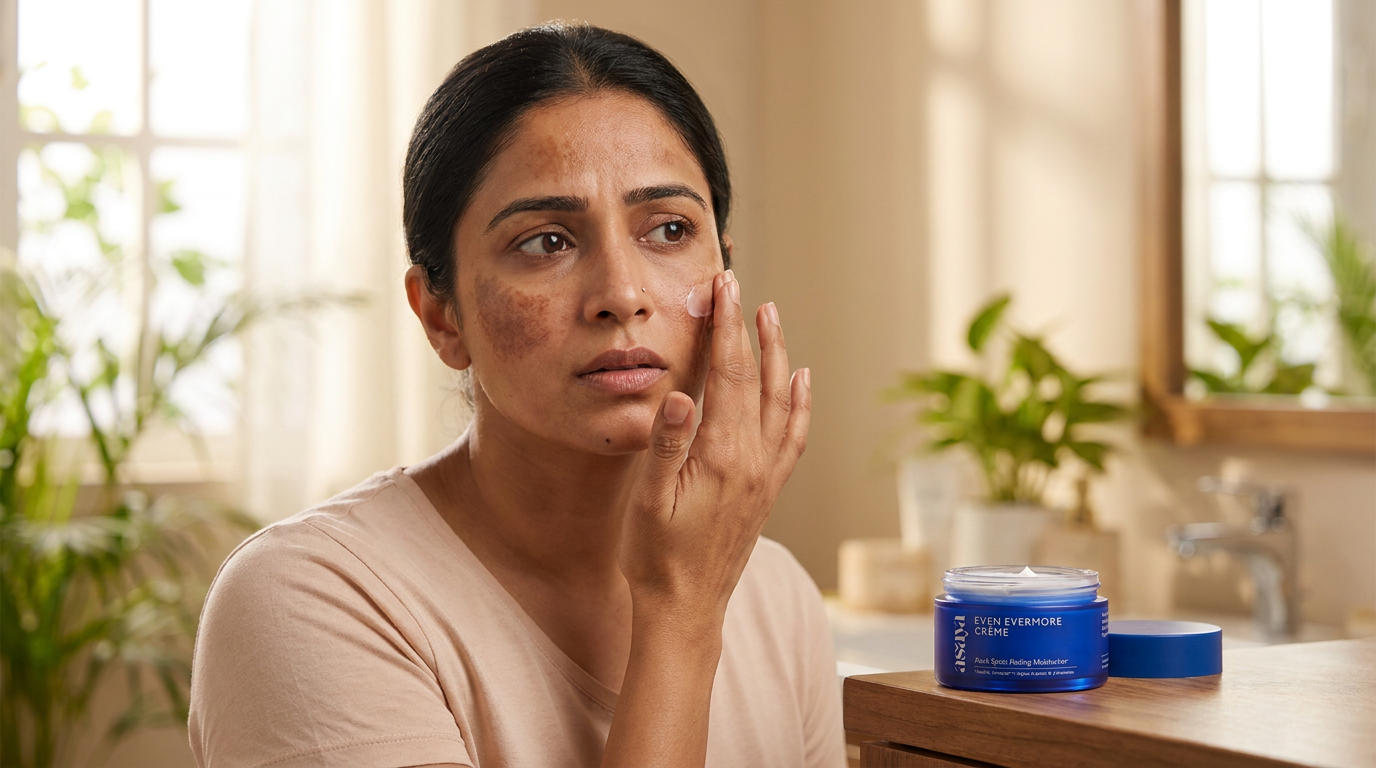
Hyperpigmentation affects over 80% of Indian women, making it one of the most common skincare concerns in our country. Dark spots, melasma, and acne scars can feel stubborn and overwhelming. But here's the good news: BHA (Beta Hydroxy Acid) offers a gentle yet effective solution specifically suited for Indian skin. Unlike harsh treatments that can worsen pigmentation on melanin-rich skin, BHA works with your skin's natural processes to fade dark marks safely. Whether you're dealing with post-acne marks or sun-induced spots, understanding how to use BHA properly can transform your skincare journey. Let's explore the science-backed methods that actually work for our unique skin needs.
Indian skin contains higher levels of melanin, which provides natural sun protection but also makes us more prone to developing dark spots. When our skin gets inflamed from acne, sun exposure, or even minor injuries, melanocytes (pigment-producing cells) go into overdrive. This creates those persistent dark marks that seem to linger for months.
Our tropical climate adds another layer of complexity. High humidity, intense UV radiation, and pollution create the perfect storm for hyperpigmentation treatment for brown skin challenges. Common types include melasma (hormonal dark patches), post-inflammatory hyperpigmentation from acne, and solar lentigines from sun damage.
Living in India means dealing with year-round sun exposure and air pollution. These environmental stressors trigger inflammatory responses that can darken existing spots and create new ones. That's why gentle, consistent treatment approaches work better than aggressive methods that might backfire on our skin.
Salicylic acid for Indian skin works differently than water-soluble acids. As an oil-soluble compound, BHA penetrates deep into pores and hair follicles where many dark spots originate. It gently dissolves the bonds between dead skin cells, revealing fresher skin underneath while reducing inflammation that can worsen pigmentation.
Unlike glycolic acid, which can sometimes irritate melanin-rich skin and cause post-inflammatory hyperpigmentation, BHA has anti-inflammatory properties. This makes it particularly suitable for BHA benefits for oily skin types common in Indian women. The gentle exfoliation helps fade existing dark spots while preventing new ones from forming.
While AHAs like glycolic acid work on the skin's surface, BHA dives deeper. For acne-prone Indian skin dealing with both active breakouts and dark marks, this deeper action addresses root causes. Chemical exfoliants for hyperpigmentation work best when matched to your specific skin needs and concerns.
Creating an effective routine requires understanding timing, frequency, and product layering. Start slowly and build up tolerance – this approach prevents irritation that could worsen pigmentation on Indian skin.
Begin with a gentle cleanser to remove overnight buildup. Apply BHA to clean, dry skin, focusing on areas with dark spots. Wait 10-15 minutes before applying moisturizer and sunscreen. Always use SPF 30 or higher when using any chemical exfoliant, as Indian skin can develop new dark spots from even brief sun exposure.
Evening application often works better for beginners. Start with 2-3 times per week, gradually increasing as your skin builds tolerance. Apply BHA after cleansing but before heavier serums or moisturizers. This allows maximum penetration for how to fade dark marks effectively.
Always patch test new BHA products on your inner arm for 24-48 hours. Start with 0.5-1% concentrations, especially if you're new to chemical exfoliants. Apply a thin layer only to affected areas initially, then expand coverage as your skin adapts. Watch for signs of over-exfoliation like increased sensitivity, redness, or new dark spots.
For Indian skin dealing with hyperpigmentation, concentration matters more than frequency. Best BHA for acne scars typically ranges from 1-2% for daily use, while higher concentrations (up to 5%) might be used weekly under professional guidance.
Look for products that combine BHA with soothing ingredients like niacinamide or hyaluronic acid. These combinations help prevent irritation while enhancing the pigmentation-fading effects. Water-based formulations often feel lighter in our humid climate, while oil-based versions might suit very dry skin types better.
Check for "salicylic acid" in the ingredient list – it should appear within the first five ingredients for effective concentrations. Avoid products with high alcohol content, which can irritate Indian skin and potentially worsen pigmentation through inflammation.
Reducing melasma on Indian skin often requires combining BHA with other proven ingredients. The key is introducing new actives gradually to prevent irritation that could darken existing spots or create new ones.
Consider layering BHA with niacinamide, which helps regulate melanin production while reducing inflammation. Vitamin C can be used in the morning (with BHA in the evening) to provide antioxidant protection and additional brightening effects. For particularly stubborn spots, alpha arbutin combined with BHA can accelerate fading.
While home BHA treatments work well for mild to moderate hyperpigmentation, severe melasma or deep acne scars might benefit from professional chemical peels. However, always ensure your dermatologist has experience with Indian skin tones to avoid complications.
MelaMe™ Complex is advanced skincare engineering from the house of Asaya. This melanin-first molecule has been designed to visibly treat discolouration and restore pigment balance in your skin within 2 weeks of regular use–tested and proven. It works on existing dark spots by breaking excess melanin deposits down into re-absorbable amino acids. MelaMe™ further inhibits excess melanin production, thereby fading and preventing blemishes, and bringing even-toned, clarified skin. It restores skin more effectively, uniformly, and much faster than other ingredients used to treat hyperpigmentation.
The biggest mistake is using BHA daily from the start. Indian skin often needs time to build tolerance, and rushing the process can lead to irritation and rebound pigmentation. Over-exfoliation shows up as increased sensitivity, burning sensations, or paradoxically, more dark spots.
Another common error is skipping sunscreen or using inadequate SPF. BHA makes your skin more photosensitive, and even brief sun exposure can undo weeks of progress. In Indian climates, reapplication every 3-4 hours is essential, especially if you're outdoors.
Watch for persistent redness, stinging with gentle products, or new dark spots appearing. These signs mean you need to reduce BHA frequency or concentration. Sometimes taking a break for a few days helps reset your skin's tolerance.
Most people see initial improvements in 4-6 weeks, with significant fading occurring over 3-4 months of consistent use. Newer spots fade faster than older, deeper pigmentation. Track progress with photos taken in consistent lighting to notice gradual changes.
Yes, but start with lower concentrations (0.5%) and use only twice weekly initially. Look for BHA products formulated with soothing ingredients like aloe vera or chamomile. If irritation persists, consider alternating with gentler exfoliants or consulting a dermatologist.
You don't need to stop, but you might reduce frequency during peak summer months. Ensure religious sunscreen use and consider switching to evening-only application. Some people find their skin more sensitive during hot, humid weather.
BHA can help mild melasma by gently exfoliating pigmented skin cells. However, melasma often requires combination therapy including prescription treatments. Use BHA as part of a comprehensive approach rather than a standalone solution for severe melasma.
Daily use can lead to over-exfoliation, especially when starting out. This might cause irritation, barrier damage, and potentially worsen pigmentation through inflammation. Build up gradually to daily use only if your skin tolerates it well.
Using BHA for hyperpigmentation on Indian skin requires patience and consistency rather than aggressive treatment. Start slowly with lower concentrations, always use sunscreen, and listen to your skin's responses. Remember that gentle, sustained treatment typically yields better long-term results than harsh, quick fixes.
The key to success lies in understanding your skin's unique needs and building a routine that works with, not against, your natural skin processes. With proper use, BHA can be a powerful ally in achieving the even-toned, radiant skin you desire. Stay consistent, be patient, and celebrate the gradual improvements that lead to lasting results.
