


How to Understand Melasma Causes in Indian Skin
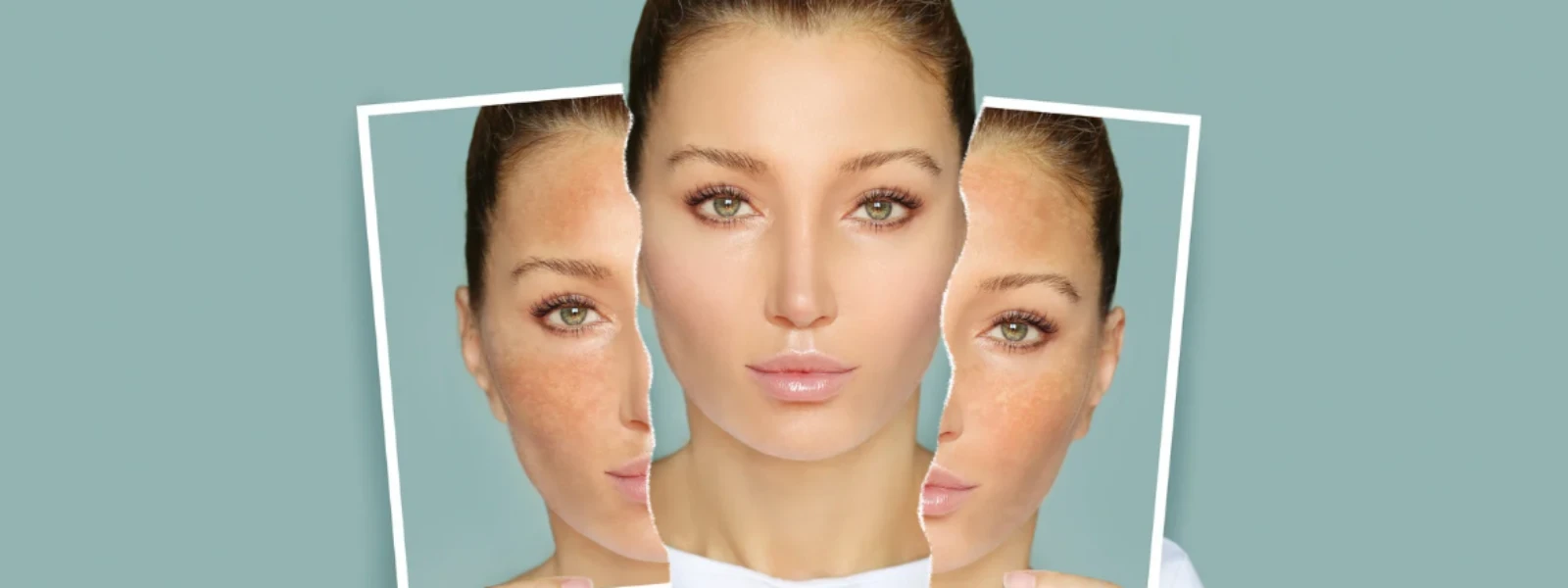
Melasma affects millions of people across India, creating brown or gray patches on the face that can significantly impact confidence and daily life. Understanding the specific causes of melasma India faces helps you take the right steps toward prevention and treatment. Indian skin types and environmental conditions create unique challenges when it comes to hyperpigmentation India experiences, making it essential to understand these factors for effective management.
Melasma appears as symmetrical brown or gray patches, typically on the cheeks, forehead, nose, and upper lip. This condition affects up to 30% of women in India, compared to just 10% globally. The higher prevalence stems from India's intense year-round sun exposure and the predominance of darker skin types that produce more melanin.
Indian women between ages 20-40 face the highest risk, especially during pregnancy when hormonal changes trigger what's commonly called the "mask of pregnancy." The combination of genetic predisposition, environmental factors, and lifestyle elements creates perfect conditions for melasma causes to develop and persist.
Several interconnected factors contribute to melasma formation in Indian populations. Hormonal fluctuations serve as the primary trigger, particularly during pregnancy, menstruation, and when using oral contraceptives. These hormonal changes stimulate melanocyte activity, leading to increased pigment production.
India's geographic location exposes residents to intense UV radiation throughout the year. The UV index regularly exceeds 8-10 across most regions, creating constant stress on skin cells and triggering protective melanin production that can become irregular and excessive.
Pregnancy remains the leading cause of melasma in India, affecting up to 70% of pregnant women. Rising estrogen and progesterone levels during pregnancy stimulate melanin production, particularly when combined with sun exposure. Many Indian women also experience melasma when starting birth control pills or hormone replacement therapy.
India's tropical and subtropical climate creates year-round UV exposure challenges. The monsoon season brings additional humidity that can worsen existing pigmentation, while the dry summer months intensify UV damage. Agricultural and outdoor workers face particularly high risks due to prolonged sun exposure without adequate protection.
Recognizing melasma types helps determine the most effective treatment approach. Epidermal melasma affects the skin's surface layer and appears darker under Wood's lamp examination. This type responds better to topical treatments and shows faster improvement.
Dermal melasma penetrates deeper skin layers and appears less distinct under special lighting. Mixed melasma combines both types and represents the most common form seen in Indian patients. Professional melasma diagnosis using dermoscopy or Wood's lamp helps determine the exact type and depth of pigmentation.
Understanding melasma risk factors helps identify who's most likely to develop this condition. Age plays a crucial role, with peak incidence occurring between 20-40 years when hormonal activity is highest. Indian skin types III-V have higher melanin content, making them more susceptible to pigmentation disorders.
Family history significantly increases risk, as genetic factors influence how skin responds to hormonal and environmental triggers. Certain medications, including anti-seizure drugs and some antibiotics, can also trigger melasma development. Stress and poor sleep patterns may worsen existing pigmentation by affecting hormonal balance.
Successful melasma prevention requires consistent daily habits adapted to Indian environmental conditions. Broad-spectrum sunscreen with SPF 30 or higher should be applied every morning, regardless of weather or indoor activities. Reapplication every 2-3 hours becomes essential during outdoor exposure.
Physical protection through wide-brimmed hats, umbrellas, and protective clothing provides additional defense against UV radiation. Seeking shade during peak sun hours (10 AM to 4 PM) significantly reduces exposure risk. Indoor lighting from screens and fluorescent bulbs can also trigger melasma, making consistent protection important even indoors.
Modern melasma treatment India offers various effective approaches. Topical lightening agents like hydroquinone, kojic acid, and azelaic acid form the foundation of most treatment plans. These ingredients work by inhibiting melanin production and promoting cell turnover to fade existing pigmentation.
Professional treatments including chemical peels and laser therapy are increasingly available in Indian cities. Melasma creams containing niacinamide, vitamin C, and alpha arbutin provide gentler alternatives for sensitive skin. Combination therapy using multiple approaches typically yields the best results, though treatment requires patience as improvement occurs gradually over 3-6 months.
Many people seek melasma home remedies using ingredients readily available in India. Turmeric contains curcumin, which has anti-inflammatory and skin-brightening properties. Lemon juice provides natural vitamin C and mild exfoliation, though it must be used carefully to avoid irritation.
Aloe vera gel soothes inflammation and supports skin healing, while sandalwood paste has traditional use for skin brightening. However, natural remedies should complement, not replace, proven medical treatments. Always patch-test new ingredients and discontinue use if irritation occurs.
Hormonal changes during pregnancy, combined with intense UV exposure common in India, represent the primary causes. Genetic predisposition and darker skin types also contribute significantly to melasma development.
Currently, no permanent cure exists for melasma. However, effective treatments can significantly fade pigmentation and prevent worsening. Consistent sun protection and maintenance therapy help keep melasma under control.
Most people see initial improvement after 6-8 weeks of consistent treatment. Significant fading typically occurs over 3-6 months. Complete clearing may take 6-12 months, and maintenance therapy prevents recurrence.
Melasma affects people across all Indian regions, but higher incidence occurs in areas with intense year-round sun exposure. Coastal and southern regions may see slightly higher rates due to increased UV radiation and humidity.
Yes, though less common than in women. Male melasma usually results from sun exposure, certain medications, or underlying medical conditions rather than hormonal changes.
Understanding causes of melasma India experiences helps you take proactive steps toward prevention and treatment. The combination of hormonal factors, intense UV exposure, and genetic predisposition creates unique challenges for Indian skin types. Consistent sun protection, appropriate skincare routines, and professional treatment when needed can effectively manage melasma and prevent worsening.
Remember that melasma management requires patience and consistency. While complete prevention may not always be possible, understanding your risk factors and taking appropriate precautions significantly reduces your chances of developing this common pigmentation concern.
