


How to Understand Hyperpigmentation Causes for Indian Skin
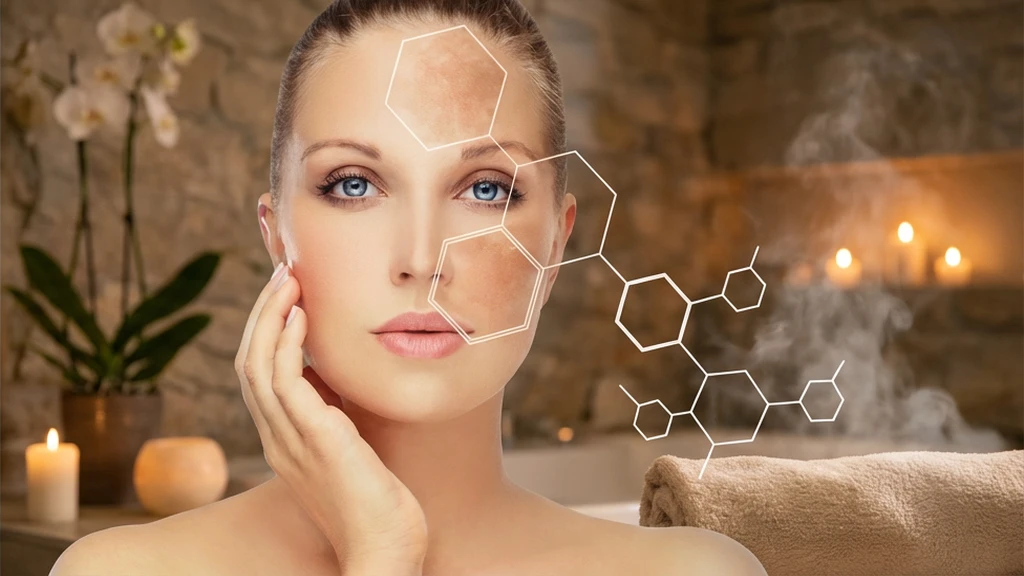
If you've noticed dark spots, uneven patches, or persistent discoloration on your skin, you're not alone. Hyperpigmentation causes Indian skin to develop these concerns more frequently than many other skin types. Understanding why this happens is the first step toward achieving the clear, even-toned complexion you desire. Indian skin has unique characteristics that make it both beautiful and prone to specific pigmentation challenges. From the bustling streets of Mumbai to the sunny beaches of Chennai, environmental factors combine with genetic predisposition to create a perfect storm for skin discoloration. Let's explore what makes your skin tick and how you can work with its natural tendencies.
Your skin tells a story that's written in your genes. Hyperpigmentation Indian skin experiences stems from having more melanocytes - the cells that produce pigment - compared to lighter skin types. Think of these cells as tiny factories working overtime, ready to pump out melanin at the slightest trigger.
Even if you have fair skin, your melanocytes are naturally more active than those in Caucasian skin. This means your skin responds more dramatically to sun exposure, hormonal changes, and inflammation. It's like having a car with a sensitive accelerator - even light pressure can cause a strong response.
Regional differences across India also play a role. Whether you're from the northern plains or southern coastal areas, your skin has adapted to specific environmental conditions over generations. This adaptation includes heightened melanin production as a natural protection mechanism against intense UV radiation.
Understanding the root causes of hyperpigmentation helps you tackle the problem at its source. Your skin doesn't develop dark spots randomly - there are specific triggers that set off the pigmentation process.
The most common culprits include sun damage, hormonal fluctuations, and post-inflammatory responses. Each of these works differently but often combines to create the dark spots Indian skin commonly develops.
India's geographic location means intense solar radiation year-round. Your skin faces UV levels that can trigger melanin production within minutes of exposure. Even brief walks to the market or commutes can accumulate significant sun damage over time.
Pregnancy, birth control pills, and thyroid disorders can all trigger melasma Indian skin develops. These hormonal changes act like switches, turning on melanin production in specific facial areas, creating the butterfly-shaped patches many women recognize.
When your skin heals from acne, cuts, or irritation, it often leaves behind dark marks. This post-inflammatory hyperpigmentation happens because your skin's healing response includes increased melanin production in the affected area.
Not all dark spots are created equal. Pigmentation on face Indian skin shows distinct patterns that help identify the underlying cause. Recognizing these patterns helps you choose the right approach for treatment.
Each type of pigmentation has its own characteristics, timeline, and response to treatment. Some fade naturally over time, while others require targeted intervention.
Melasma typically appears as symmetrical brown patches on both sides of your face. The forehead, cheeks, nose, and upper lip are common areas where this Indian skin discoloration develops.
These flat, brown spots appear earlier in Indian skin compared to lighter skin types. They're your skin's way of remembering every sunny day, gradually building up pigment in areas that receive the most sun exposure.
Darkening around the mouth area can result from friction, certain foods, or hormonal changes. This type of pigmentation is particularly common in Indian women and can be stubborn to treat.
Several factors make skin darkening Indian populations experience more pronounced than other ethnic groups. Your environment, lifestyle, and genetic makeup all contribute to this increased susceptibility.
Urban pollution adds another layer of complexity. Particulate matter and environmental toxins can trigger inflammatory responses that lead to pigmentation. Cities like Delhi and Mumbai expose your skin to pollutants that can accelerate the darkening process.
Stress, irregular sleep patterns, and dietary factors also influence how your skin produces melanin. The modern lifestyle many Indians lead can create a cascade of hormonal and inflammatory triggers that promote uneven skin tone Indian skin commonly develops.
Genetic variations in melanin synthesis mean your skin processes pigment differently than other ethnic groups. These variations are adaptations that helped your ancestors survive in sunny climates, but they can create challenges in modern skincare.
Where you live in India significantly impacts your skin's pigmentation patterns. Hyperpigmentation causes Indian skin experiences vary from the Himalayan foothills to the tropical south.
Cultural practices also influence how your skin develops pigmentation. Traditional ingredients, religious customs involving sun exposure, and occupational factors all play roles in your skin's pigmentation story.
Coastal humidity can make your skin more sensitive to UV damage, while mountain regions expose you to reflected UV rays from snow and rocks. Each environment creates unique challenges for maintaining even skin tone.
Traditional skincare ingredients like turmeric and neem can sometimes cause contact dermatitis in sensitive individuals, leading to post-inflammatory pigmentation. Religious festivals and outdoor ceremonies also increase sun exposure during peak UV hours.
Prevention remains your best defense against pigmentation. Understanding hyperpigmentation treatment Indian skin responds to starts with stopping new dark spots from forming.
Consistent daily habits make the biggest difference in maintaining even skin tone. Small changes in your routine can prevent years of pigmentation damage.
Broad-spectrum sunscreen with at least SPF 30 should be your daily companion. Reapply every two hours, especially if you're outdoors. Don't forget often-missed areas like your ears, neck, and the back of your hands.
Antioxidant-rich foods like berries, green tea, and leafy vegetables help your skin fight free radical damage. Regular sleep and stress management also support your skin's natural repair processes.
Some pigmentation issues require professional intervention. If your dark spots are rapidly changing, asymmetrical, or don't respond to consistent home care after three months, it's time to consult a dermatologist.
Professional treatments like chemical peels, laser therapy, and prescription medications can address stubborn pigmentation that over-the-counter products can't handle. A dermatologist familiar with Indian skin can recommend the safest and most effective options for your specific concerns.
Indian skin contains more melanocytes and higher melanin production capacity, making it more reactive to UV exposure, hormonal changes, and inflammation compared to lighter skin types. This increased activity is a genetic adaptation to sunny climates.
While you can't change your genetic predisposition, consistent sun protection, gentle skincare, and lifestyle modifications can significantly reduce your risk of developing new pigmentation and prevent existing spots from darkening.
Post-inflammatory hyperpigmentation typically takes 6-12 months to fade naturally, while melasma and sun spots may take longer. Consistent treatment and sun protection can accelerate this process.
Harsh scrubs, high-concentration acids without proper introduction, and products containing potential irritants like certain essential oils can worsen pigmentation. Always patch test new products and introduce active ingredients gradually.
Understanding your skin's unique characteristics empowers you to make informed decisions about your skincare routine. Hyperpigmentation causes Indian skin faces are manageable with the right knowledge and consistent care. Remember that your skin's tendency toward pigmentation is also what gives it its natural glow and resilience.
Focus on prevention through daily sun protection, gentle skincare practices, and lifestyle modifications that support your skin's health. When treatment is needed, be patient and consistent - your skin's natural renewal process takes time, but the results are worth the wait.
