


How to Understand Hormonal Causes of Melasma
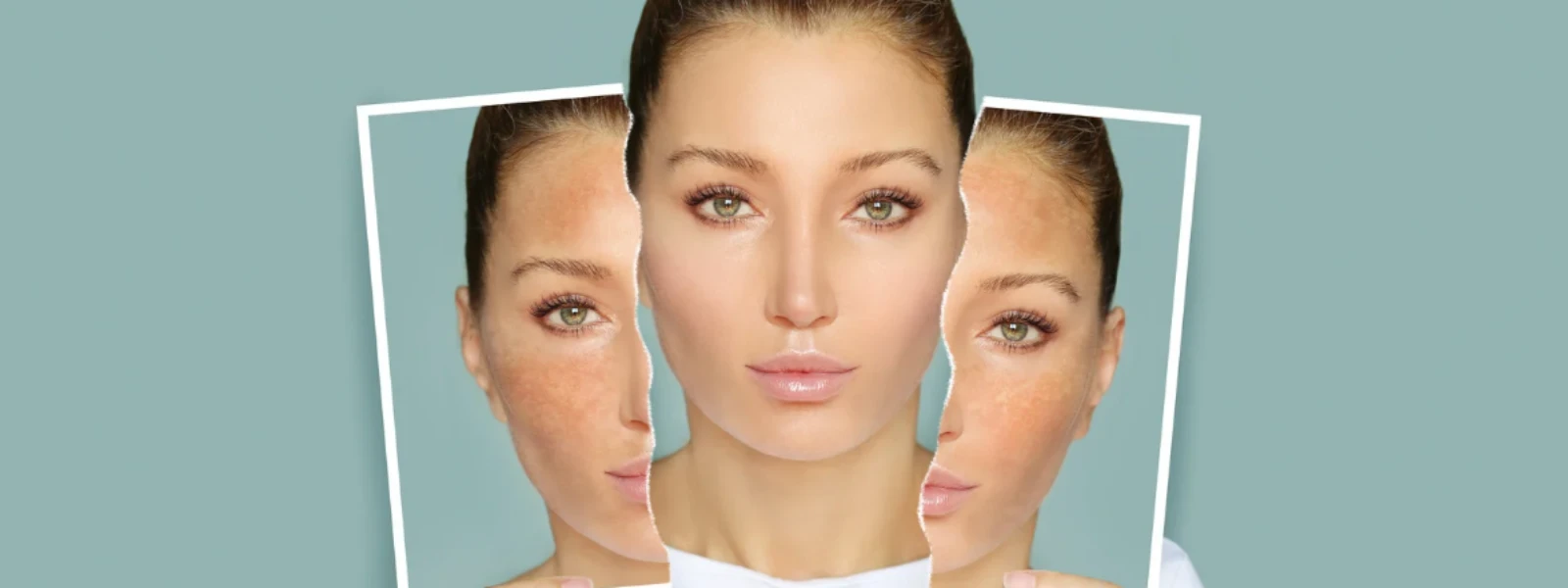
Melasma affects millions of women worldwide, creating brown or gray patches on the face that can feel impossible to treat. While sun exposure often gets the blame, the real culprit behind most melasma cases lies within our hormonal system. Understanding the hormonal causes of melasma is crucial for anyone dealing with this frustrating skin condition. When hormones fluctuate during pregnancy, while taking birth control, or during menopause, they can trigger melanocytes to produce excess pigment. This creates the stubborn dark patches that characterize melasma and explains why women are nine times more likely to develop this condition than men.
Hormonal melasma develops when specific hormones stimulate melanocytes, the cells responsible for skin pigmentation. Unlike melasma triggered solely by sun damage, hormone related skin issues create a perfect storm of internal factors that make skin hypersensitive to pigment production. Research shows that 90% of melasma cases occur in women, highlighting the strong connection between female hormones and this skin condition.
The primary mechanism involves melanocyte-stimulating hormone (MSH), which increases dramatically when estrogen and progesterone levels rise. These hormones bind to receptors in melanocytes, essentially telling them to produce more melanin. This process explains why melasma often appears during times of significant hormonal change, such as pregnancy or when starting hormonal contraceptives.
When hormone levels spike, they activate specific pathways in skin cells. Estrogen receptors in melanocytes become more sensitive, while increased blood flow brings more hormones directly to facial skin. This creates localized areas of heightened pigment production, typically on the cheeks, forehead, nose bridge, and upper lip.
Both estrogen melasma and progesterone melasma contribute to skin discoloration, but recent research reveals important differences in how these hormones affect pigmentation. Understanding which hormone plays the larger role can help guide treatment decisions and prevention strategies.
Studies indicate that progesterone may be the stronger trigger for melasma development. Women using progesterone-only contraceptives show higher rates of melasma compared to those using combination pills. However, the interaction between both hormones creates the most significant risk for developing hormonal imbalance skin issues.
Estrogen increases the number and activity of melanocytes while making them more responsive to UV radiation. This hormone also enhances blood vessel formation, bringing more nutrients and hormonal signals to facial skin areas prone to melasma.
Research consistently shows progesterone as a more potent melasma trigger. This hormone directly stimulates tyrosinase, the enzyme responsible for melanin synthesis. Women using progesterone-containing IUDs or implants often develop melasma even without estrogen exposure.
Melasma pregnancy affects 15-50% of expectant mothers, earning the nickname "pregnancy mask." During pregnancy, estrogen and progesterone levels increase dramatically, creating ideal conditions for melasma development. The condition typically appears during the second trimester when hormone levels peak.
Beyond pregnancy, various reproductive factors influence melasma risk. Birth control pills, hormone replacement therapy, and natural menstrual cycle fluctuations all contribute to skin discoloration hormones effects. Understanding these patterns helps women make informed decisions about hormonal medications and family planning.
Pregnancy hormones increase 10-100 times normal levels, overwhelming the skin's ability to regulate pigment production. The areola and linea nigra also darken during pregnancy, showing how these hormones affect pigmentation throughout the body.
Oral contraceptives containing synthetic hormones can trigger melasma in susceptible women. Higher-dose pills and those with certain progestin types carry greater risk. Some women develop melasma within months of starting hormonal birth control.
Effective melasma treatment for hormone-related cases requires addressing both the underlying hormonal triggers and the visible pigmentation. Unlike sun-induced melasma, hormonal cases often resist standard treatments and require specialized approaches that consider ongoing hormonal influences.
The most successful treatment plans combine topical therapies with hormonal management. This might involve switching contraceptive methods, optimizing hormone replacement therapy, or addressing underlying endocrine disorders that contribute to hyperpigmentation causes.
Hydroquinone, tretinoin, and kojic acid remain first-line treatments for hormonal melasma. However, these ingredients work more slowly when hormones continue triggering new pigment production. Combination formulas often provide better results than single-ingredient products.
Working with healthcare providers to optimize hormone levels can significantly improve melasma outcomes. This might involve switching to non-hormonal contraceptives, adjusting hormone replacement therapy doses, or treating underlying conditions like PCOS that affect hormone balance.
Preventing hormonal melasma recurrence requires understanding personal triggers and implementing protective strategies. Since complete hormone avoidance isn't realistic for most women, the focus shifts to minimizing risk factors and maintaining consistent protective routines.
Sun protection becomes even more critical for women with hormonal melasma risk. UV radiation amplifies hormonal effects on melanocytes, making daily broad-spectrum sunscreen essential. Physical sunscreens containing zinc oxide or titanium dioxide often work better than chemical formulations for hormone-sensitive skin.
Stress management helps regulate cortisol levels, which can worsen hormonal imbalances. Regular exercise, adequate sleep, and stress-reduction techniques support overall hormone balance and may reduce melasma severity.
Gentle, consistent skincare routines work best for hormone-sensitive skin. Avoiding harsh scrubs and over-exfoliation prevents inflammation that can worsen pigmentation. Products containing niacinamide, vitamin C, and alpha arbutin can help maintain even skin tone.
Elevated estrogen and progesterone levels are the primary hormonal causes of melasma. Research suggests progesterone may be the stronger trigger, as it directly stimulates melanin-producing enzymes. These hormones make melanocytes more active and sensitive to other melasma triggers like UV radiation.
Hormonal melasma can fade naturally in 30-70% of cases once hormone levels normalize. Post-pregnancy melasma typically improves within 6-12 months after delivery. However, some cases persist and require ongoing treatment, especially if sun exposure continues or other hormonal triggers remain active.
Hormonal melasma tends to be more symmetrical, affecting both sides of the face equally. It often appears during specific life events like pregnancy or when starting birth control. This type of melasma may be more resistant to standard treatments and can recur with future hormonal changes.
While rare, men can develop hormone-related melasma, particularly those with certain medical conditions affecting hormone levels or those taking specific medications. However, 90% of melasma cases occur in women due to their greater exposure to estrogen and progesterone fluctuations throughout their reproductive years.
Understanding the hormonal causes of melasma empowers women to make informed decisions about their health and skincare. While hormonal fluctuations are often unavoidable parts of life, recognizing the connection between hormones and skin pigmentation helps create realistic expectations and effective treatment plans. The key lies in balancing necessary hormonal medications with protective skincare measures and working closely with healthcare providers to optimize both hormonal health and skin appearance. With proper understanding and management, even stubborn hormonal melasma can be successfully controlled, allowing women to feel confident in their skin throughout all stages of life.
