


How to Treat Skin Discoloration: Expert Guide
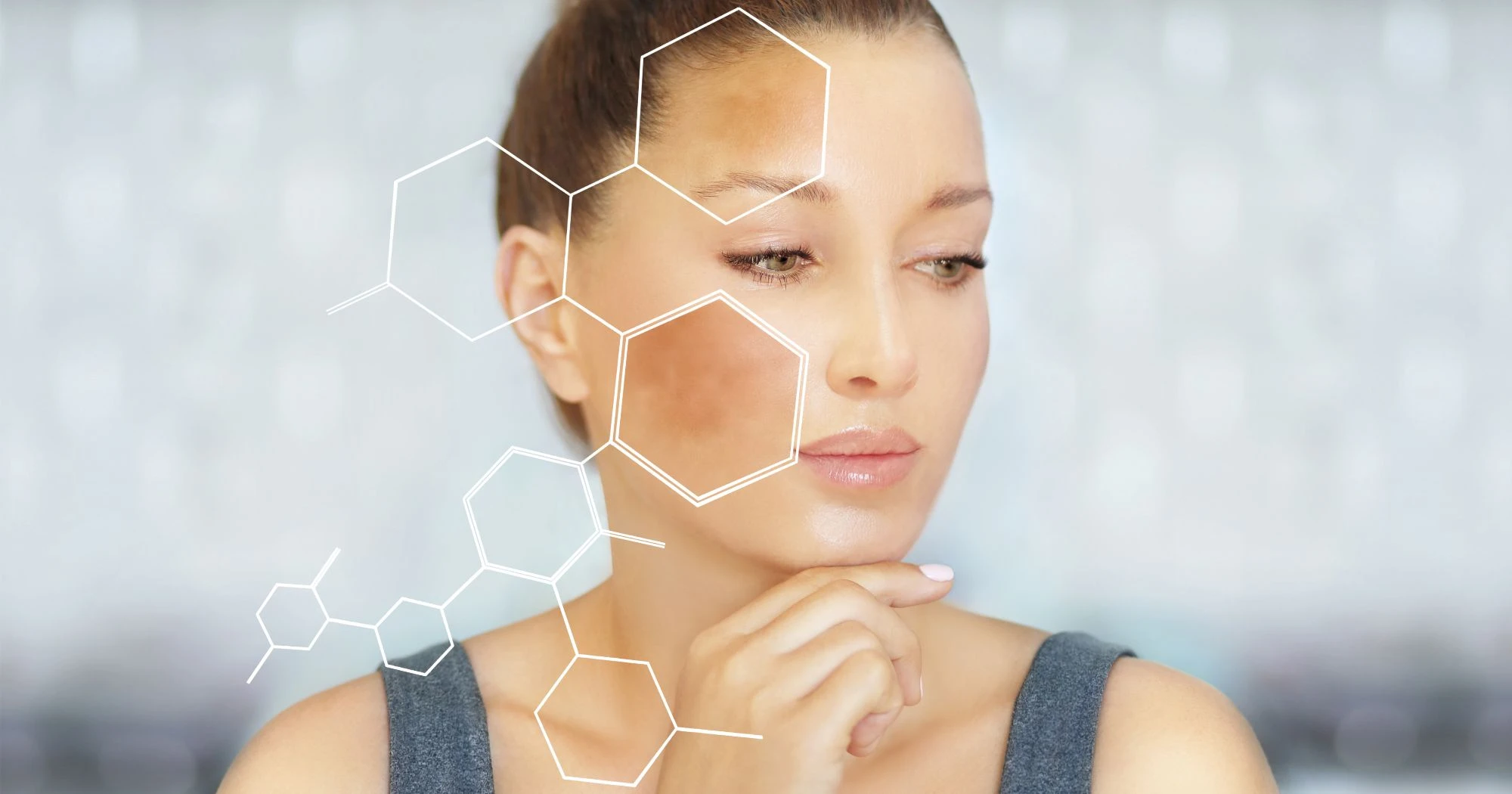
Skin discoloration affects millions of people worldwide, creating patches of uneven skin tone that can impact confidence and self-esteem. Whether you're dealing with dark spots from sun damage, melasma from hormonal changes, or post-acne marks, understanding how to address these concerns is the first step toward clearer, more radiant skin. The good news is that treating skin discoloration issues has never been more accessible, with options ranging from professional treatments to effective at-home remedies. This comprehensive guide will walk you through everything you need to know about identifying, treating, and preventing various types of skin discoloration, helping you make informed decisions about your skincare journey.
Skin discoloration occurs when certain areas of your skin produce too much or too little melanin, the pigment responsible for your skin color. This imbalance creates patches that appear darker or lighter than your natural skin tone. Understanding the root causes helps you choose the most effective treatment approach and prevent future issues.
Several factors contribute to skin discoloration causes, with sun exposure being the most common culprit. UV rays trigger melanin overproduction as your skin's natural defense mechanism, leading to age spots and sun damage over time. Hormonal changes, particularly during pregnancy or when taking birth control, can cause melasma – often called the "mask of pregnancy." Post-inflammatory hyperpigmentation develops after skin injuries, acne, or irritation, leaving behind dark marks that can persist for months or years.
Melasma appears as brown or gray patches, typically on the face, and affects women more frequently than men. Age spot treatment addresses those flat, brown spots that develop on sun-exposed areas like hands, face, and shoulders. Post-acne marks create dark spots where blemishes once were, while freckles represent clusters of concentrated melanin. Understanding your specific type of discoloration helps determine the most effective treatment approach.
Professional treatments offer the most dramatic and fastest results for treating skin discoloration issues. Dermatologists have access to stronger ingredients and advanced technologies that can significantly improve uneven skin tone in fewer sessions than at-home treatments.
Chemical peels use acids like glycolic, lactic, or trichloroacetic acid to remove damaged skin layers and promote melanin reduction. These treatments range from light peels with minimal downtime to deep peels that require weeks of recovery but deliver dramatic results. Laser treatments target pigmented cells specifically, breaking down excess melanin without damaging surrounding tissue. IPL (Intense Pulsed Light) therapy works particularly well for sun damage repair, targeting brown spots and redness simultaneously.
Fractional laser resurfacing creates tiny wounds in the skin, triggering natural healing processes that replace damaged tissue with fresh, evenly pigmented skin. Q-switched lasers deliver short bursts of energy that shatter pigment particles, allowing your body to naturally eliminate them. These advanced procedures typically require multiple sessions but can achieve remarkable results for stubborn discoloration that doesn't respond to other treatments.
At-home treatments provide a gentler, more affordable approach to treating skin discoloration issues. While results take longer to appear, consistent use of quality products can significantly improve your skin's appearance over time.
Skin brightening ingredients like vitamin C work by inhibiting melanin production and providing antioxidant protection against future damage. Look for stable forms like magnesium ascorbyl phosphate or sodium ascorbyl phosphate. Retinoids accelerate cell turnover, helping fade dark spots while preventing new ones from forming. Start with lower concentrations to build tolerance, then gradually increase strength. Niacinamide offers gentle pigmentation correction while strengthening your skin barrier and reducing inflammation.
Several natural ingredients show promise for skin discoloration remedies, though results vary between individuals. Kojic acid, derived from fungi, inhibits melanin production and works well in combination with other brightening ingredients. Arbutin, found in bearberry plants, offers similar benefits with less irritation potential. However, natural doesn't always mean safer – some ingredients can cause sensitivity or interact with other treatments, so patch testing is essential.
Different areas of your body require tailored approaches for optimal dark spots removal. Facial skin is more delicate and responsive to treatment, while body skin can tolerate stronger formulations.
Facial treatments require extra care due to the skin's sensitivity and visibility. Start with gentle formulations and gradually increase strength as your skin adapts. Morning routines should focus on protection with vitamin C serums and broad-spectrum sunscreen, while evening treatments can include retinoids or other active ingredients. Combination therapy – using multiple ingredients with different mechanisms – often produces better results than single-ingredient approaches.
Body treatments can be more aggressive since the skin is thicker and less sensitive. Body lotions with glycolic acid or urea help with overall pigmentation correction while moisturizing. For large areas, consider professional treatments like full-body chemical peels or laser sessions, which can be more cost-effective than treating small areas individually.
Preventing new discoloration is just as important as treating existing issues. A comprehensive prevention strategy protects your investment in treatment and maintains your results long-term.
Daily sunscreen use is non-negotiable for preventing and treating skin discoloration issues. Choose broad-spectrum SPF 30 or higher and reapply every two hours when outdoors. Physical sunscreens with zinc oxide or titanium dioxide provide immediate protection and work well for sensitive skin. Chemical sunscreens absorb UV rays and may be more cosmetically elegant for daily wear.
Antioxidant-rich foods support your skin's natural repair processes and provide protection against environmental damage. Avoid picking at blemishes or irritating your skin, as this can lead to post-inflammatory hyperpigmentation. Consistent skincare routines with gentle cleansing and regular moisturizing help maintain healthy skin barrier function.
Results vary depending on the treatment method and severity of discoloration. At-home treatments typically show improvement after 6-12 weeks of consistent use, while professional treatments may show results in 2-4 weeks. Complete resolution can take 3-6 months or longer for stubborn discoloration.
Many types of discoloration can be significantly improved or eliminated, but "permanent" depends on the underlying cause. Sun spots and age spots can be effectively removed, but new ones may develop without proper sun protection. Hormonal discoloration like melasma may return if triggers persist.
Pregnancy requires extra caution when treating discoloration. Avoid hydroquinone, retinoids, and high-concentration acids. Vitamin C, azelaic acid, and gentle physical exfoliation are generally considered safe, but always consult your healthcare provider before starting any new treatments.
At-home treatments with proven ingredients like vitamin C, niacinamide, and gentle retinoids offer the best value for mild to moderate discoloration. For severe cases, investing in professional treatment upfront may be more cost-effective than prolonged at-home treatment attempts.
Treating skin discoloration issues successfully requires patience, consistency, and the right approach for your specific concerns. Start with a proper diagnosis of your discoloration type, then choose treatments that match your skin sensitivity, budget, and lifestyle. Remember that prevention through daily sun protection is crucial for maintaining results and preventing new discoloration. Whether you choose professional treatments for faster results or at-home remedies for a gentler approach, consistency in your routine will determine your success. Most importantly, be patient with the process – healthy, even-toned skin is an investment that pays dividends in confidence and appearance for years to come.
