


How to Treat Post-Inflammatory Hyperpigmentation Effectively
Your Cart
0You May Also Like
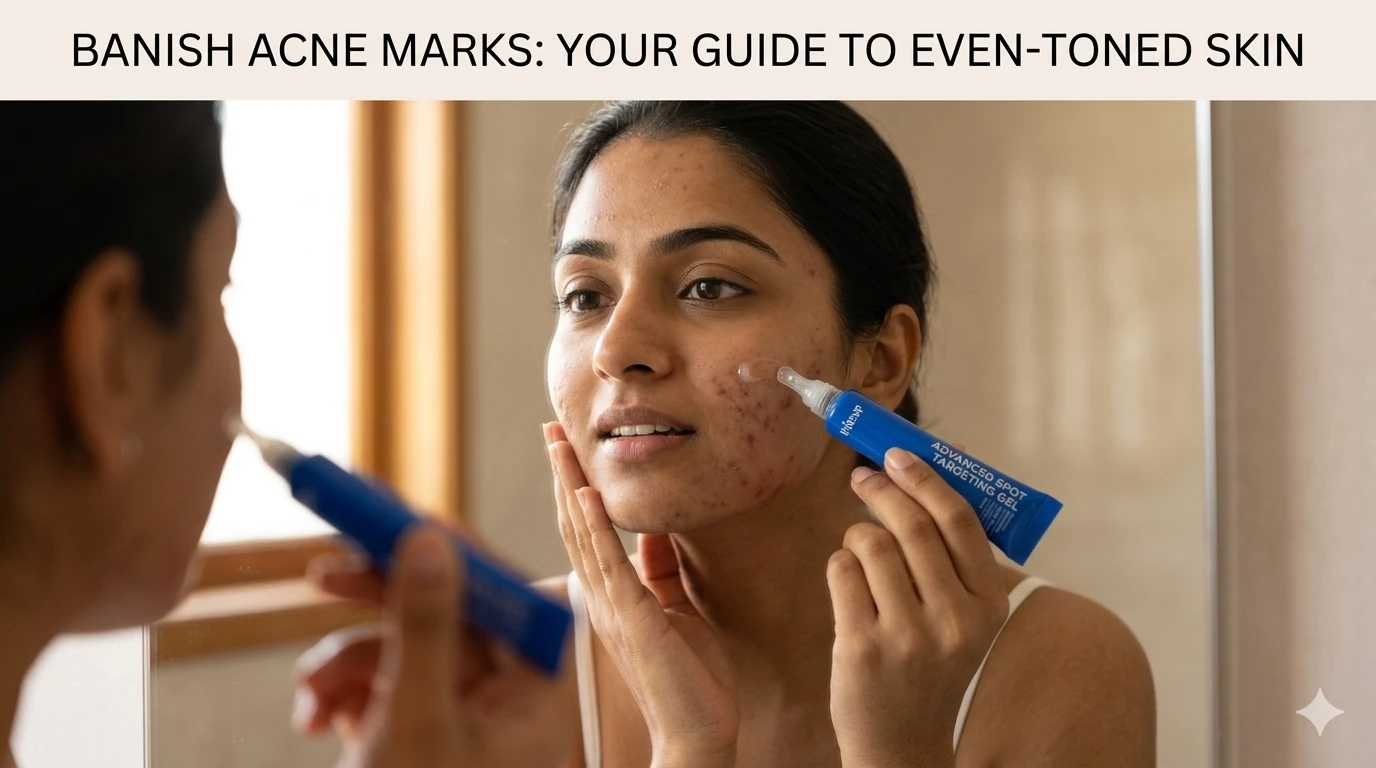
Dark spots and patches that linger after acne breakouts or skin injuries can feel frustrating. These marks, known as post-inflammatory hyperpigmentation, affect millions of people worldwide, especially those with darker skin tones. The good news? With the right approach and patience, you can effectively fade these stubborn marks and restore your skin's natural radiance. Understanding how to treat post-inflammatory hyperpigmentation effectively involves combining proven ingredients, consistent routines, and realistic expectations. Whether you're dealing with fresh marks or older discoloration, this comprehensive guide will walk you through evidence-based strategies that actually work.
Post-inflammatory hyperpigmentation (PIH) occurs when your skin produces excess melanin in response to inflammation or injury. Unlike melasma or age spots, PIH develops specifically after trauma to the skin. This hyperpigmentation causes range from acne breakouts and eczema flares to cuts, burns, or even aggressive skincare treatments.
When your skin experiences inflammation, specialized cells called melanocytes go into overdrive. They pump out extra melanin as a protective response, creating those telltale dark patches. The deeper the initial inflammation penetrates, the longer these marks tend to stick around.
Several factors can trigger post acne marks and other forms of PIH:
Acne breakouts, especially cystic acne
Eczema or dermatitis flares
Cuts, scrapes, or surgical wounds
Burns from heat or chemicals
Aggressive exfoliation or picking at skin
Insect bites or allergic reactions
Certain factors increase your chances of developing stubborn dark spots. People with naturally higher melanin levels face greater risk, which explains why PIH affects individuals with medium to dark skin tones more frequently. Sun exposure during the healing process can also worsen discoloration and extend recovery time significantly.
Effective hyperpigmentation treatment relies on ingredients that can interrupt melanin production, accelerate cell turnover, or both. The key lies in choosing the right actives for your skin type and using them consistently. Some ingredients work faster but require more caution, while others offer gentler approaches with gradual results.
Understanding these best ingredients for hyperpigmentation helps you build a targeted routine that delivers real results without unnecessary irritation.
Hydroquinone remains the gold standard for dark spot removal, working by inhibiting tyrosinase, the enzyme responsible for melanin production. Available in 2% concentrations over-the-counter, it can fade marks within 6-12 weeks with consistent use.
Tretinoin accelerates skin cell renewal, helping push pigmented cells to the surface faster. This prescription retinoid not only treats existing marks but prevents new ones from forming. Kojic acid offers a gentler alternative, derived from fungi and effective at concentrations around 1-4%.
Niacinamide (vitamin B3) provides excellent results with minimal irritation risk. At concentrations of 5-10%, it reduces melanin transfer and offers anti-inflammatory benefits. Vitamin C, particularly in L-ascorbic acid form, brightens skin while providing antioxidant protection.
Azelaic acid deserves special mention for its dual action against both acne and pigmentation. This naturally occurring acid works well for sensitive skin types and can be used long-term safely.
When at-home treatments aren't delivering the results you want, professional interventions can accelerate your progress. These acne scars treatment options typically work faster than topical products alone, though they often require multiple sessions and careful aftercare.
Professional treatments work by either removing pigmented skin layers or targeting melanin deposits directly. The choice depends on your skin type, the depth of pigmentation, and your tolerance for downtime.
Chemical peels use acids to remove damaged skin layers, revealing fresher skin underneath. Glycolic acid peels work well for surface-level pigmentation, while deeper peels like TCA can address more stubborn marks. Most people need 4-6 sessions spaced 2-4 weeks apart.
Q-switched lasers target melanin deposits directly, breaking them down for natural elimination. IPL (Intense Pulsed Light) offers a gentler approach, suitable for treating larger areas. These treatments typically cost ₹5,000-₹15,000 per session, with 3-5 sessions needed for optimal results.
A well-structured hyperpigmentation skincare routine forms the foundation of successful treatment. The key lies in layering products correctly, timing active ingredients properly, and maintaining consistency over months rather than weeks.
Your routine should address three main goals: preventing new pigmentation, treating existing marks, and protecting your progress. These skin brightening tips help you maximize results while minimizing irritation.
Start with a gentle cleanser to remove overnight buildup without stripping your skin. Apply vitamin C serum to brighten and protect, followed by a lightweight moisturizer. Never skip broad-spectrum SPF 30 or higher – this step prevents new pigmentation and protects healing skin.
Evening routines focus on active treatment ingredients. After cleansing, apply your chosen pigmentation treatment (hydroquinone, tretinoin, or kojic acid). Follow with a nourishing moisturizer to support skin barrier function. Start with 2-3 times weekly and gradually increase frequency as your skin adapts.
While patience remains crucial for treating PIH, certain strategies can help you fade dark marks more efficiently. The most effective approach combines multiple treatment modalities while supporting your skin's natural healing processes.
Remember that epidermal PIH (surface-level) typically fades within 6-12 months, while dermal PIH (deeper) may take years or require professional intervention. Setting realistic expectations prevents frustration and treatment abandonment.
The best treatment for PIH is preventing it in the first place. Treat acne promptly and gently, avoid picking at blemishes, and use anti-inflammatory ingredients like niacinamide. When breakouts do occur, apply spot treatments immediately to minimize inflammation depth and duration.
UV exposure can darken existing PIH and slow healing significantly. Apply broad-spectrum sunscreen every morning, reapply every 2 hours when outdoors, and consider physical barriers like hats or umbrellas. Even indoor lighting can affect pigmentation, making daily SPF non-negotiable.
Many people unknowingly sabotage their progress by making common treatment errors. Understanding these pitfalls helps you avoid setbacks and maintain steady improvement toward clearer skin.
The most frequent mistake involves using too many active ingredients simultaneously. While it might seem logical that more actives equal faster results, this approach often leads to irritation, which can worsen pigmentation and delay healing.
Aggressive scrubbing or excessive chemical exfoliation can trigger more inflammation, creating new PIH while you're trying to treat existing marks. Stick to gentle exfoliation 1-2 times weekly maximum, and always follow with soothing, hydrating products.
PIH treatment requires patience and consistency. Stopping products after a few weeks because you don't see dramatic changes prevents you from achieving the cumulative benefits that develop over months. Most effective ingredients need 8-12 weeks of consistent use to show significant results.
Surface-level PIH typically fades within 6-12 months with proper treatment, while deeper pigmentation may take 1-2 years or longer. Factors like skin type, mark age, and treatment consistency all influence healing speed. Some very deep marks may require professional treatment for complete resolution.
Yes, but introduce them gradually and monitor your skin's response. Start with one active ingredient for 2-4 weeks, then slowly add others. Avoid combining potentially irritating ingredients like hydroquinone and strong retinoids initially. Always use sunscreen when using any pigmentation treatments.
PIH can return if the underlying cause isn't addressed or if skin experiences new trauma. Continued acne breakouts, sun exposure, or skin picking can create fresh inflammation. Maintaining a consistent skincare routine and sun protection helps prevent recurrence.
Some natural ingredients like kojic acid, licorice extract, and vitamin C can help with mild pigmentation. However, clinically proven treatments like hydroquinone, tretinoin, and professional procedures typically deliver faster, more dramatic results for stubborn marks.
PIH develops after inflammation or injury and can appear anywhere on the body. Melasma is triggered by hormones and sun exposure, appearing in symmetrical patterns typically on the face. PIH usually responds better to standard brightening treatments than melasma, which often requires specialized approaches.
Treating post-inflammatory hyperpigmentation effectively requires a combination of patience, consistency, and the right approach for your skin type. Start with gentle, proven ingredients like niacinamide or kojic acid, gradually introducing stronger actives as your skin adapts. Remember that sun protection remains non-negotiable throughout your treatment journey.
Professional treatments can accelerate results for stubborn marks, but they work best when combined with a solid at-home routine. Most importantly, focus on preventing new PIH by treating underlying skin conditions gently and avoiding trauma to healing skin. With the right strategy and realistic expectations, you can achieve significant improvement in your skin's clarity and tone over time.
