


How to Treat Melasma Naturally for Millennials: Gentle Home Remedies
Your Cart
0You May Also Like
Melasma has become the uninvited guest on many millennial faces, showing up as stubborn brown patches that seem impossible to fade. If you're tired of expensive treatments that promise the world but deliver disappointment, you're not alone. The good news? How to treat melasma naturally for millennials doesn't have to involve harsh chemicals or breaking the bank. With the right approach, gentle home remedies can help you reclaim your confidence and achieve the even skin tone you've been dreaming of. Let's dive into proven strategies that work with your busy lifestyle and sensitive skin.
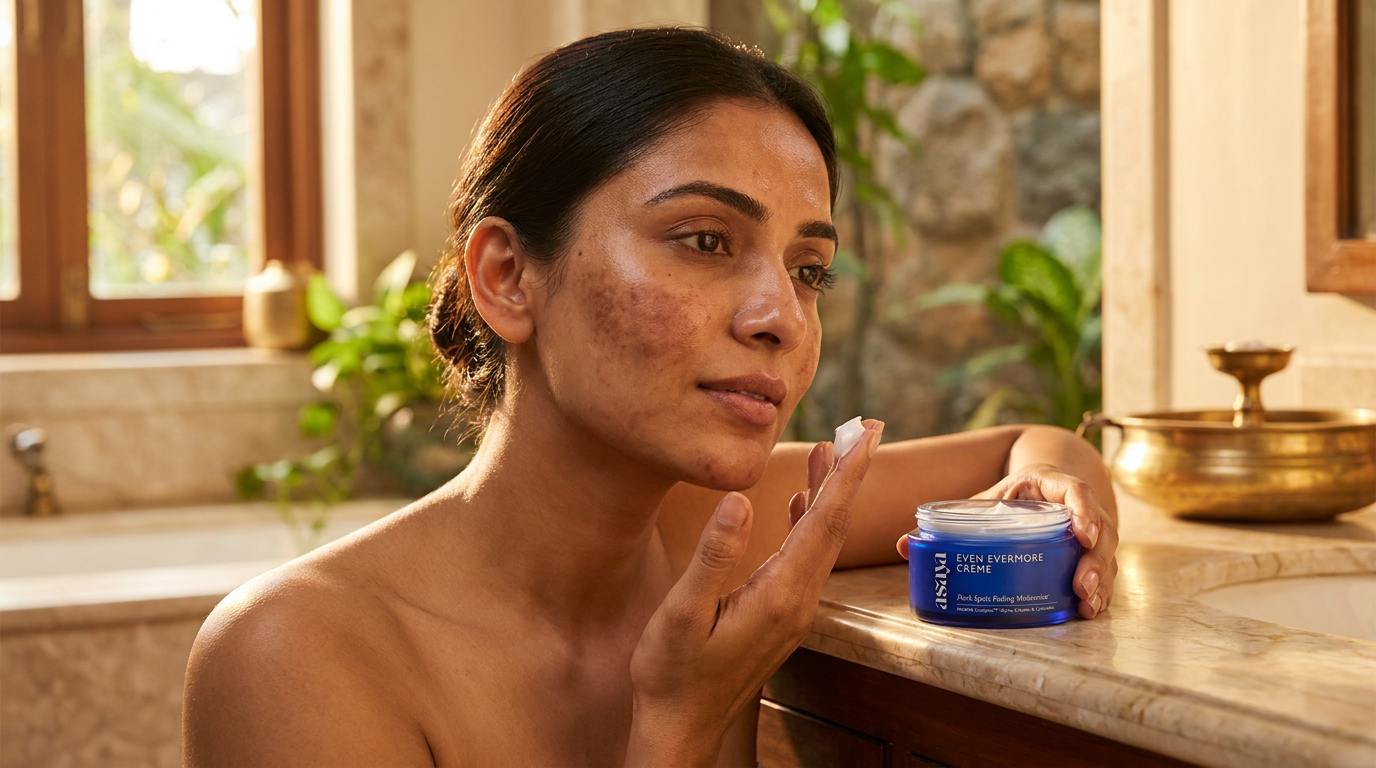
Melasma appears as symmetrical brown or gray patches, typically on the cheeks, forehead, nose, and upper lip. Unlike random dark spots, melasma creates a distinctive pattern that looks like a mask across your face. For millennials, several unique factors contribute to this condition becoming increasingly common.
The modern millennial lifestyle creates a perfect storm for millennial skincare for dark spots concerns. Chronic stress from work pressures, student loans, and life transitions triggers cortisol spikes that can worsen hyperpigmentation. Extended screen time exposes skin to blue light, which recent studies suggest may contribute to melasma development. Hormonal birth control, popular among this generation, often triggers melasma due to estrogen fluctuations.
Pregnancy isn't the only culprit behind the "pregnancy mask." Hyperpigmentation treatment for young adults must address multiple triggers including hormonal IUDs, thyroid disorders, and even certain medications. Stress-induced inflammation plays a huge role, making melasma worse during challenging life phases like career changes or relationship transitions.
True melasma appears symmetrically on both sides of your face, darkens with sun exposure, and often worsens during hormonal changes. If your dark spots are random or only on one side, you might be dealing with post-inflammatory hyperpigmentation instead, which responds differently to treatment.
Understanding how melanin production creates uneven skin tone millennials experience helps you choose effective treatments. Melasma occurs when melanocytes (pigment-producing cells) go into overdrive, creating excess melanin in specific areas. This process involves complex interactions between hormones, UV exposure, and inflammatory responses.
Gentle approaches often beat aggressive treatments for long-term results because harsh ingredients can trigger more inflammation, making melasma worse. Natural skin lightening for melasma works by gradually inhibiting tyrosinase, the enzyme responsible for melanin production, while supporting healthy skin barrier function.
Research shows that certain natural ingredients effectively target hyperpigmentation without causing irritation. Vitamin C inhibits melanin synthesis while providing antioxidant protection. Licorice root contains glabridin, which prevents UV-induced pigmentation. Kojic acid, derived from fungi, blocks tyrosinase activity naturally.
Not all natural melasma remedies are created equal. Here's a science-backed ranking of the most effective options for millennial skin, organized by proven results and safety profiles.
Vitamin C serum tops the list for good reason. L-ascorbic acid concentrations between 10-20% show significant results in clinical studies. You can create DIY versions using vitamin C powder mixed with distilled water, but store-bought stabilized formulas often work better for consistent results.
Licorice root extract deserves serious attention for its dual action against melasma. Apply concentrated licorice root tea (cooled) twice daily, or look for products containing 2-4% glabridin. This ingredient works especially well for sensitive skin types who can't tolerate stronger actives.
Kojic acid from natural sources like rice bran or mushrooms provides gentle yet effective pigmentation control. Start with 1-2% concentrations to avoid irritation, gradually increasing as your skin adapts.
Aloe vera gel offers anti-inflammatory benefits that support other treatments. Fresh aloe contains aloin, which has mild skin-lightening properties. Apply pure gel twice daily as a base layer before other treatments.
Turmeric and honey masks combine curcumin's anti-inflammatory power with honey's healing properties. Mix 1 teaspoon turmeric with 2 tablespoons raw honey for a weekly treatment that reduces inflammation and supports skin healing.
Apple cider vinegar requires careful dilution (1:3 ratio with water) but can help with mild melasma due to its natural acids. Always follow with moisturizer and never use undiluted.
Creating effective DIY melasma solutions doesn't require a chemistry degree or hours of preparation. These recipes fit into hectic schedules while delivering real results for reducing melasma patches.
Combine 1 teaspoon turmeric powder, 2 tablespoons plain Greek yogurt, and 1 tablespoon raw honey. The lactic acid in yogurt gently exfoliates while turmeric reduces inflammation. Apply for 15 minutes, then rinse with lukewarm water. Use twice weekly for best results.
Mash half a ripe papaya with 1 tablespoon fresh lemon juice. Papaya contains natural enzymes and vitamin C that help fade dark spots. Leave on for 20 minutes before rinsing. Store leftover mixture in the refrigerator for up to 3 days.
Mix 2 tablespoons oatmeal powder with 1 tablespoon honey and 1 teaspoon olive oil. This combination provides gentle physical exfoliation while nourishing the skin barrier. Use once weekly, massaging in circular motions for 2 minutes.
Blend fresh aloe vera gel with a few drops of vitamin E oil. Apply directly to melasma patches before bed. The combination supports overnight healing while providing deep hydration to treated areas.
Gentle hyperpigmentation care extends beyond topical treatments. Your diet, stress levels, and lifestyle choices significantly impact how quickly your skin heals and whether melasma returns.
Key vitamins and minerals support skin healing from within. Vitamin C (1000mg daily) boosts collagen production and fights free radicals. Vitamin E works synergistically with vitamin C for enhanced antioxidant protection. Zinc supports skin repair and reduces inflammation.
Include omega-3 rich foods like salmon, walnuts, and chia seeds to reduce systemic inflammation. Colorful fruits and vegetables provide antioxidants that protect against further pigmentation. Green tea contains EGCG, which helps prevent UV-induced melanin production.
Chronic stress elevates cortisol, which can worsen melasma. Practice daily stress-reduction techniques like meditation, yoga, or even 10-minute breathing exercises. Adequate sleep (7-9 hours) helps regulate hormones and supports skin regeneration.
The most effective millennial approach to skin discoloration prevention combines smart product choices with lifestyle adjustments. Without proper protection, even the best natural treatments will fail to deliver lasting results.
SPF selection matters more than you think. Choose broad-spectrum SPF 30 or higher with zinc oxide or titanium dioxide for physical protection. Makeup-friendly options include tinted sunscreens that double as light foundation, perfect for busy mornings.
Recent research suggests blue light from screens may contribute to melasma. Use blue light filtering screen protectors, take regular breaks from devices, and consider skincare products with antioxidants that protect against digital aging.
Melasma often worsens in summer due to increased UV exposure. Adjust your routine by adding extra antioxidant protection and being more diligent about reapplying sunscreen every 2 hours.
Setting realistic expectations prevents disappointment and helps you stay consistent with home remedies for melasma. Most natural treatments require 6-12 weeks to show noticeable improvement, with full results taking 3-6 months.
Document your progress with weekly photos taken in the same lighting conditions. Take pictures without makeup, using natural light near a window. This helps you notice gradual improvements that might not be obvious day-to-day.
Early signs include reduced inflammation, less noticeable patches in certain lighting, and improved overall skin texture. Dark spots may initially appear darker as deeper pigmentation surfaces before fading.
If melasma worsens despite consistent treatment, or if you develop new symptoms like itching or burning, consult a dermatologist. Some cases require professional intervention, especially those triggered by underlying hormonal conditions.
The fastest natural melasma treatment combines vitamin C serum, licorice root extract, and consistent sun protection. Most people see initial improvements in 4-6 weeks with daily use, though complete fading takes 3-6 months.
While melasma can't be permanently cured due to hormonal triggers, consistent natural treatments like vitamin C, kojic acid, and sun protection can achieve 70-80% improvement and prevent recurrence when maintained long-term.
Sweet almond oil with vitamin E shows the most promise for melasma, as it contains natural compounds that support skin healing. Apply nightly after cleansing, but remember oils work slowly and require patience.
Diluted apple cider vinegar (1:3 ratio with water) can help with mild melasma due to its natural acids, but it should be used cautiously and always followed by moisturizer to prevent irritation.
Natural treatments typically show initial results in 4-8 weeks, with significant improvement visible after 3-4 months of consistent use. Patience is key, as natural ingredients work more gradually than chemical treatments.
Treating melasma naturally requires patience, consistency, and a multi-faceted approach that addresses both external symptoms and internal triggers. The combination of proven ingredients like vitamin C and licorice root, protective measures against UV and blue light, and lifestyle modifications creates the foundation for successful treatment. Remember that skincare for uneven skin tone millennials works best when you treat your skin gently and give natural remedies time to work their magic. With dedication and the right approach, you can achieve the clear, even complexion you deserve without harsh chemicals or expensive procedures.
