


How to Treat Hyperpigmentation on Indian Skin Effectively
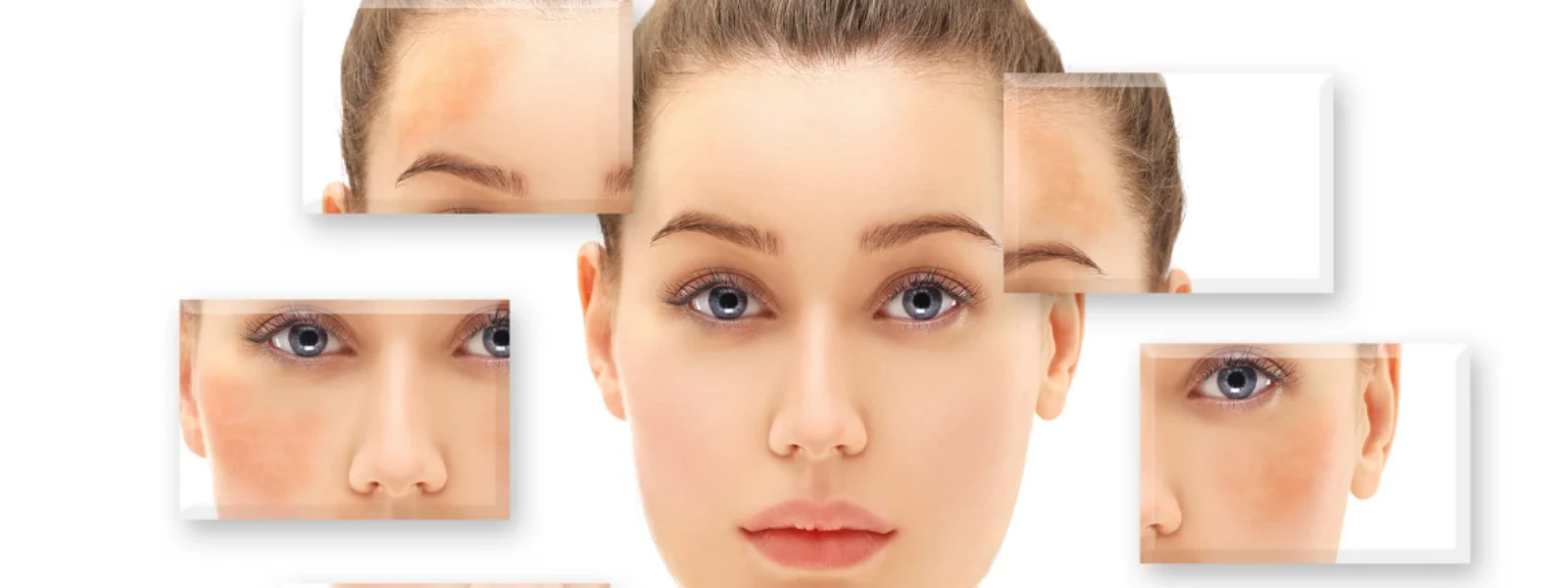
Hyperpigmentation affects over 80% of people with Indian skin, making it one of the most common skincare concerns in our community. Dark spots, uneven skin tone, and stubborn patches can feel overwhelming, but understanding your skin's unique needs is the first step toward clearer, more radiant skin. Indian skin has higher melanin production, which provides natural sun protection but also makes us more prone to pigmentation issues when triggered by sun exposure, hormones, or inflammation. The good news? With the right approach combining professional treatments, effective products, and consistent care, you can achieve the even-toned skin you've been dreaming of.
Indian skin contains more active melanocytes than lighter skin tones, which means our skin produces melanin more readily when triggered. This natural defense mechanism becomes problematic when melanin production goes into overdrive, creating those frustrating dark patches we all know too well.
The Indian climate exposes us to intense UV radiation year-round. Even brief sun exposure can trigger melanin production in our skin, leading to new dark spots or darkening existing ones.
Pregnancy, birth control, and hormonal fluctuations can cause melasma - those symmetrical brown patches that appear on the face. This type of skin discoloration Indian women experience is particularly stubborn and requires specialized care.
Acne, cuts, or any skin trauma can leave behind Indian skin dark spots. Our skin's healing response often includes excess melanin production, creating marks that can last months or even years without proper treatment.
When dealing with stubborn hyperpigmentation, professional treatments offer the fastest and most dramatic results. A qualified dermatologist can assess your specific pigmentation type and recommend the most effective approach for your skin.
Glycolic acid and lactic acid peels work exceptionally well for Indian skin types. These treatments remove damaged surface cells and stimulate healthy cell turnover, gradually fading dark spots over several sessions.
Q-switched lasers target melanin deposits without damaging surrounding skin. However, dermatologist hyperpigmentation protocols for Indian skin require careful laser selection to avoid post-treatment darkening.
Hydroquinone remains the gold standard for skin lightening, often combined with tretinoin and mild steroids for enhanced effectiveness. These prescription combinations require professional monitoring but deliver impressive results.
Building a consistent at-home routine forms the foundation of any successful hyperpigmentation treatment plan. The key is choosing ingredients that work synergistically without causing irritation or inflammation.
L-ascorbic acid and magnesium ascorbyl phosphate help prevent new pigmentation while gradually lightening existing spots. Apply vitamin C serum every morning under sunscreen for best results.
This form of vitamin B3 reduces melanin transfer to skin cells, making it perfect for sensitive Indian skin. Niacinamide also helps with uneven skin tone while strengthening the skin barrier.
Glycolic and lactic acids provide gentle exfoliation that helps fade surface pigmentation. Start with lower concentrations and gradually increase as your skin builds tolerance.
Kojic acid, arbutin, and licorice extract offer gentler alternatives to harsh bleaching agents. These ingredients work slowly but safely, making them ideal for long-term maintenance.
Traditional Indian remedies have been passed down through generations for good reason. While they work more slowly than modern treatments, these natural approaches can complement your skincare routine safely.
Mix turmeric powder with gram flour and rose water to create a brightening mask. Use this treatment twice weekly, but be careful as turmeric can temporarily stain fair skin yellow.
Fresh lemon juice contains natural acids that gently exfoliate, while honey provides moisture and healing properties. Always dilute lemon juice and avoid sun exposure after application.
Pure aloe vera gel soothes inflammation and supports skin healing. Apply fresh aloe gel to dark spots daily, especially after other treatments to calm any irritation.
Preventing new pigmentation is often easier than treating existing spots. Building protective habits into your daily routine will help maintain your progress and prevent setbacks.
Broad-spectrum SPF 30 or higher should be non-negotiable, even on cloudy days. Reapply every two hours when outdoors, and consider wearing wide-brimmed hats for extra protection.
Morning application of vitamin C serum provides antioxidant protection against environmental damage. This simple step can prevent many pigmentation causes before they start.
Avoid harsh scrubbing, picking at acne, or using overly aggressive products. Any trauma to Indian skin can trigger post-inflammatory hyperpigmentation that takes months to fade.
Most people notice initial improvements within 4-6 weeks of consistent treatment. Significant fading typically occurs over 3-6 months, depending on the severity and type of pigmentation. Professional treatments may show faster results than at-home remedies.
While complete removal isn't always possible, most hyperpigmentation can be significantly lightened with proper treatment. Genetic factors and pigmentation depth affect how much improvement you can achieve. Realistic expectations include 70-90% improvement in most cases.
Not necessarily. Many affordable ingredients like niacinamide and glycolic acid are highly effective for treating pigmentation. The key is consistency and choosing the right ingredients for your skin type, not the price tag.
Avoid harsh scrubs, picking at spots, skipping sunscreen, and using too many active ingredients at once. Also avoid lemon juice or other citrus directly on skin before sun exposure, as this can cause burns and more pigmentation.
Treating hyperpigmentation on Indian skin requires patience, consistency, and the right combination of treatments. Start with gentle ingredients like niacinamide and vitamin C, always wear sunscreen, and consider professional treatments for stubborn spots. Remember that your skin's journey is unique - what works for others might need adjustment for your specific needs. Focus on prevention as much as treatment, and celebrate small improvements along the way. With dedication and the right approach, achieving even-toned, radiant skin is absolutely possible.
