


How to Reduce Skin Pigmentation Fast: Expert Tips
Your Cart
0You May Also Like
• Professional treatments like chemical peels and targeted serums with proven actives show the fastest results, typically within 2-6 weeks • Daily sun protection is non-negotiable—it prevents new spots while existing ones fade • Consistency matters more than intensity; gentle, regular treatment beats aggressive sporadic efforts
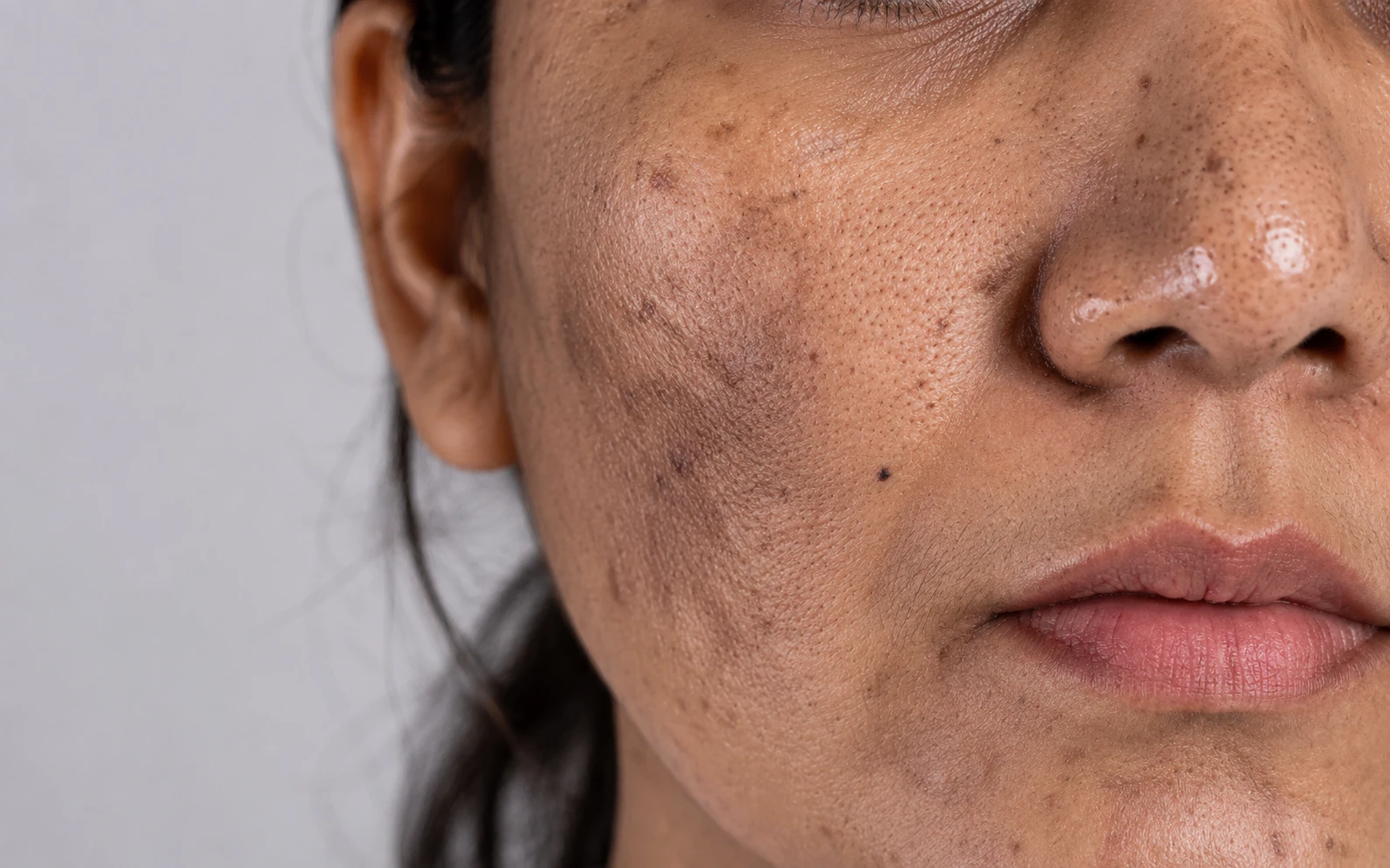
Before diving into skin pigmentation treatment options, it helps to know what you're dealing with. Pigmentation happens when your skin produces extra melanin in specific spots, usually as a response to inflammation, sun exposure, or hormonal changes. Think of it as your skin's way of protecting itself, but sometimes it gets a bit overzealous.
Post-inflammatory hyperpigmentation (PIH) is the most common type on Indian skin—those dark spots on skin that appear after acne, cuts, or any kind of irritation. Melasma shows up as larger, symmetrical patches, often triggered by hormones or pregnancy. Sun spots develop from years of UV exposure, while acne scars can leave both textural changes and pigmentation behind.
UV exposure tops the list of skin discoloration causes. Even brief sun exposure without SPF can trigger melanin production. Hormonal fluctuations during pregnancy, periods, or from birth control can activate pigmentation too. Inflammation from acne, harsh scrubbing, or irritating products often leaves dark marks behind. Genetics also play a role—if your family tends to develop pigmentation easily, you probably will too.
When you need results quickly, professional treatments combined with the right at-home routine deliver the fastest visible changes. The key is choosing treatments that work with your skin type, not against it.
Hydroquinone remains the gold standard for pigmentation, but it requires careful use and isn't suitable for long-term application. Tretinoin speeds up cell turnover, helping pigmented cells shed faster. Azelaic acid offers gentle brightening with anti-inflammatory benefits. Kojic acid and alpha arbutin provide effective alternatives for sensitive skin.
Chemical peels using glycolic or salicylic acid can show improvement within 2-3 weeks. Laser treatments and IPL target melanin directly but require multiple sessions. Microneedling combined with brightening serums enhances product penetration. Professional facials with high-concentration actives can jumpstart your hyperpigmentation remedies routine.
While professional treatments work fastest, natural ways to fade dark spots can be effective when used consistently. The key is choosing ingredients with actual scientific backing, not just traditional remedies.
Vitamin C inhibits tyrosinase, the enzyme that produces melanin, making it one of the most effective skin lightening tips. Niacinamide reduces melanin transfer to skin cells while strengthening the skin barrier. Alpha arbutin provides gentle lightening without irritation. Licorice root extract contains glabridin, which helps fade existing spots.
Aloe vera gel soothes inflammation while providing mild brightening effects. Green tea contains antioxidants that support skin repair. Turmeric has anti-inflammatory properties, but use it sparingly to avoid staining. Always patch test natural ingredients and avoid lemon juice directly on skin—it can cause more pigmentation when exposed to sun.
The most effective approach to brighten dull skin combines treatment with prevention. Your daily routine should address existing pigmentation while stopping new spots from forming.
Start with gentle cleansing to remove overnight buildup without irritation. Apply vitamin C serum to inhibit melanin production throughout the day. Follow with broad-spectrum SPF 30 or higher—this step is non-negotiable for any pigmentation treatment to work. Finish with a lightweight moisturizer that won't clog pores.
Double cleanse to remove sunscreen and daily buildup thoroughly. Apply treatment serums with actives like retinol or specialized pigmentation-fighting complexes. Use hydrating serums to support skin barrier repair. Consider overnight treatments or masks 2-3 times per week for extra brightening power.
Understanding realistic timelines helps set proper expectations for your uneven skin tone solutions. Pigmentation didn't appear overnight, so it won't disappear overnight either.
Topical treatments typically show initial results in 6-8 weeks, with significant improvement by 12 weeks. Professional procedures can show changes in 2-4 weeks but may require multiple sessions. Natural remedies usually take 8-16 weeks for visible results. Combining methods often accelerates the timeline while being gentler on skin.
Your skin type influences how quickly you'll see results—sensitive skin may need gentler approaches that take longer. Deeper, older pigmentation takes more time to fade than surface-level spots. Consistency matters more than intensity—daily gentle treatment beats sporadic aggressive treatment. Sun protection compliance directly affects how fast existing spots fade and whether new ones appear.
Professional treatments like chemical peels combined with prescription-strength topical treatments offer the fastest results, typically showing improvement in 2-6 weeks. However, consistency with daily sun protection and appropriate actives is crucial for maintaining results.
Surface-level pigmentation can often be significantly reduced or eliminated with proper treatment. Deeper pigmentation may require ongoing maintenance. The key is using treatments specifically formulated for melanin-rich skin, like those containing targeted complexes that work with your skin's natural processes.
Start with gentle ingredients like vitamin C and niacinamide, always use SPF daily, and consider consulting a dermatologist for persistent issues. Avoid harsh scrubbing or over-exfoliation, which can worsen pigmentation on melanin-rich skin.
Asaya's formulations are specifically designed for melanin-rich Indian skin, addressing how pigmentation behaves differently on our skin compared to global research. The targeted approach often shows results where other products haven't worked effectively.
Reducing skin pigmentation fast requires the right combination of professional guidance, proven actives, and most importantly, daily sun protection. While there's no instant fix, visible improvements are absolutely achievable with consistent, targeted treatment. The key is choosing products and methods that work specifically for melanin-rich skin, not generic solutions that ignore how pigmentation behaves on Indian skin tones. The MelaMe™ Complex represents this targeted approach—an advanced skincare engineering from the house of Asaya. This melanin-first molecule has been designed to visibly treat discolouration and restore pigment balance in your skin within 2 weeks of regular use, tested and proven. It works on existing dark spots by breaking excess melanin deposits down into re-absorbable amino acids while inhibiting excess melanin production, thereby fading and preventing blemishes for even-toned, clarified skin. This dual-action approach restores skin more effectively, uniformly, and much faster than other ingredients typically used to treat hyperpigmentation.
