


How to Reduce Open Pores and Dark Spots for Clearer Skin
Your Cart
0You May Also Like
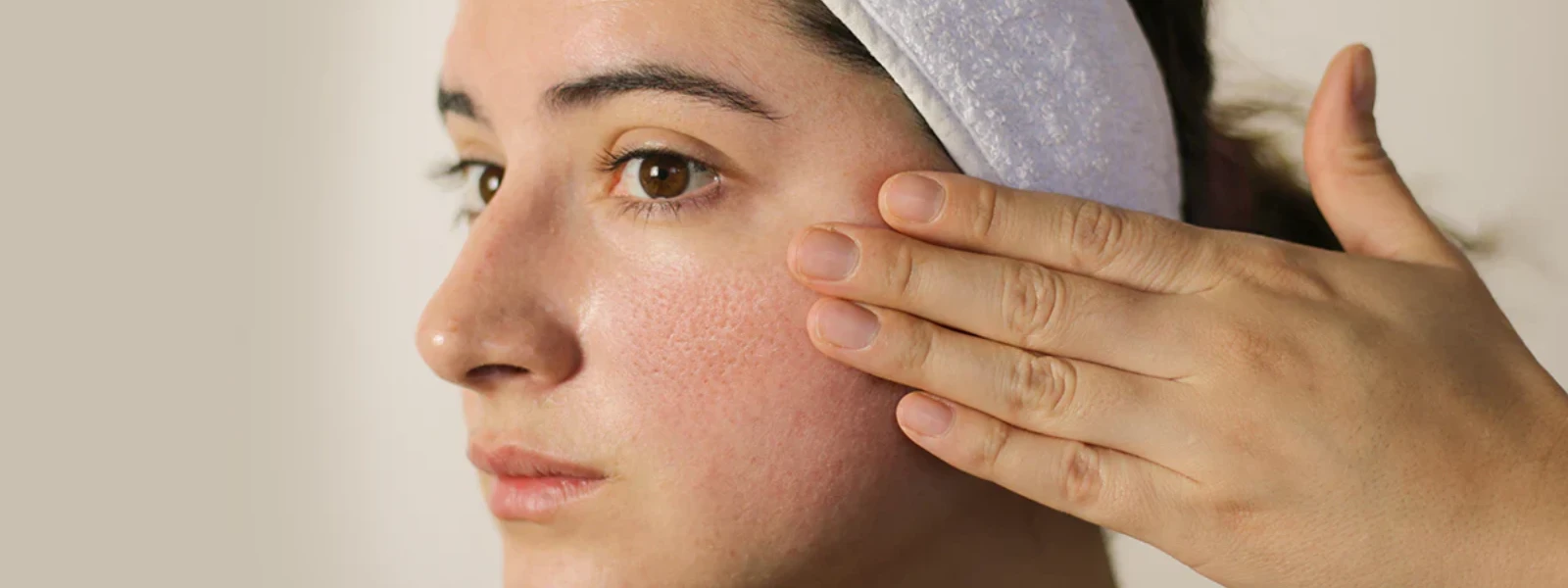
Dealing with open pores and dark spots can feel overwhelming, especially when these skin concerns seem to appear together. Large pores often trap dirt and oil, leading to breakouts that eventually leave behind stubborn dark marks. Meanwhile, hyperpigmentation from acne scars or sun damage can make your skin look uneven and dull. The good news? You can tackle both issues with the right approach. Understanding how to reduce the appearance of open pores and dark spots requires knowing what causes them and which treatments actually work. Let's explore proven methods that can help you achieve the clearer, more even-toned skin you've been wanting.
Before diving into solutions, it's crucial to understand why these skin issues develop. Open pores and dark spots often share common triggers, which is why they frequently appear together on the same areas of your face.
Pores are natural openings in your skin that allow oil and sweat to reach the surface. When these openings become clogged with excess oil, dead skin cells, and debris, they stretch and appear more visible. Several factors contribute to this process:
Genetics play the biggest role in determining your natural pore size
Excess oil production from overactive sebaceous glands
Age-related collagen loss that reduces skin elasticity
Sun damage that breaks down supportive skin structures
Not all dark spots are created equal. Identifying your specific type of hyperpigmentation helps you choose the most effective treatment approach. Post-inflammatory hyperpigmentation is the most common type, appearing after acne breakouts heal.
Other common types include sun spots from UV exposure, acne scars that create textural changes, and melasma triggered by hormonal fluctuations. Each type responds differently to various treatments, which is why a targeted approach works best.
Large pores and dark spots often create a cycle that perpetuates both problems. When pores become clogged, they can lead to breakouts that cause inflammation. This inflammation triggers your skin to produce excess melanin as a protective response, resulting in dark spots that linger long after the original blemish heals.
Building an effective routine requires consistency and patience. The key is using products that address both concerns without overwhelming your skin. A well-structured routine can help you achieve clearer skin tips that actually work.
Double cleansing is your first line of defense against clogged pores. Start with an oil-based cleanser to dissolve makeup and excess sebum, followed by a water-based cleanser to remove remaining impurities. This method ensures your pores stay clear without stripping your skin's natural moisture barrier.
Regular exfoliation helps both minimize pore size and treat dark spots by removing dead skin cells that can clog pores and make pigmentation look more pronounced. Salicylic acid works particularly well for skincare for large pores because it can penetrate oil and clear out debris.
For hyperpigmentation treatment, glycolic acid helps speed up cell turnover, bringing fresh, even-toned skin to the surface faster. Start with 2-3 times per week and gradually increase frequency as your skin builds tolerance.
A good pore minimizing serum typically contains niacinamide, which helps regulate oil production and visibly reduces pore appearance. For dark spots, look for serums with vitamin C, kojic acid, or arbutin that can help fade acne scars and prevent new pigmentation from forming.
Understanding which ingredients actually work can save you time and money. Some ingredients excel at addressing pores, others target pigmentation, and a few powerhouse ingredients can tackle both concerns effectively.
Kojic acid is one of the best ingredients for dark spots, particularly effective for Indian skin tones. It works by inhibiting melanin production and can show visible results in as little as two weeks with consistent use. Arbutin offers a gentler alternative that's less likely to cause irritation while still providing effective pigmentation control.
Azelaic acid deserves special mention because it addresses both pores and pigmentation. This multi-tasking ingredient helps reduce post-inflammatory hyperpigmentation while also providing antibacterial benefits that prevent future breakouts.
Niacinamide is perhaps the most versatile ingredient for pore concerns. At concentrations of 2-5%, it helps regulate sebum production, reduces inflammation, and can visibly minimize pore appearance within 4-6 weeks of consistent use.
Hyaluronic acid works differently by plumping the skin around pores, making them appear smaller. This ingredient also helps maintain hydration without clogging pores, making it suitable for all skin types.
While not all natural ingredients are effective, some have solid research backing their benefits. Tea tree oil at 5-10% concentration can help prevent acne that leads to dark spots, while green tea extract provides antioxidant protection that supports overall skin health.
Deciding between professional treatments and at-home care depends on the severity of your concerns and your budget. Both approaches have their place in an effective skincare strategy.
For severe hyperpigmentation or very large pores, professional treatments can provide faster, more dramatic results. Chemical peels performed by dermatologists can address both concerns simultaneously, while treatments like microneedling can improve skin texture and reduce the appearance of acne scars.
At-home treatments can be surprisingly effective when used consistently. Clay masks once or twice weekly help absorb excess oil and temporarily tighten pores. Ice therapy before applying makeup can provide temporary pore tightening for special occasions.
The most effective strategy often combines professional treatments with consistent at-home care. Professional treatments can provide the initial improvement, while daily skincare maintains and enhances results over time.
While active ingredients often provide faster results, natural methods can support your skincare routine and provide gentle, long-term benefits. Some kitchen remedies have legitimate scientific backing for their skin benefits.
Turmeric contains curcumin, which has anti-inflammatory properties that can help reduce post-inflammatory hyperpigmentation. Mix it with honey for a gentle mask that soothes irritation while providing mild exfoliation.
However, be cautious with lemon juice despite its popularity. While it contains vitamin C, it can also make your skin more sensitive to sun damage, potentially worsening dark spots.
Your diet and lifestyle habits significantly impact your skin's appearance. Foods rich in antioxidants help protect against free radical damage that can worsen both pores and pigmentation. Staying properly hydrated helps maintain skin elasticity, which can make pores appear smaller.
Daily sunscreen use is non-negotiable for preventing new dark spots and protecting existing ones from darkening further. Choose a broad-spectrum SPF 30 or higher and reapply every 2-3 hours when outdoors.
Many people unknowingly sabotage their progress by making common skincare mistakes. Avoiding these pitfalls can help you see results faster and prevent additional skin damage.
Using too many active ingredients at once or expecting overnight results often leads to irritation and setbacks. Start with one new product at a time and give it at least 6-8 weeks to show results. Patience and consistency are more important than using the latest trending ingredient.
Pore appearance can improve within 4-6 weeks of consistent care, while dark spots typically take 8-12 weeks to show significant fading. Some stubborn spots may take 6 months or longer to completely fade, especially deeper pigmentation.
Pores cannot be permanently closed as they're essential for skin function. However, you can significantly minimize their appearance through consistent skincare, making them less noticeable and preventing them from becoming more enlarged over time.
Most people begin seeing improvement in dark spots after 4-6 weeks of consistent treatment. However, complete fading can take 3-6 months depending on the depth and age of the pigmentation. Newer spots typically fade faster than older ones.
Some natural ingredients like kojic acid (from fungi), arbutin (from bearberry), and vitamin C (from fruits) have proven effectiveness. However, natural doesn't always mean gentle, and some home remedies can cause irritation or worsen pigmentation if used incorrectly.
Dark spots are flat discolorations that fade over time with proper treatment. Acne scars involve textural changes like indentations or raised areas that typically require professional treatments like microneedling or laser therapy for significant improvement.
Achieving clearer skin with minimized pores and faded dark spots requires a comprehensive approach that combines the right ingredients, consistent routine, and realistic expectations. Focus on gentle but effective actives like niacinamide for pores and kojic acid for dark spots, while maintaining daily sun protection to prevent new damage.
Remember that skin improvement is a gradual process. Start with a simple routine and gradually introduce new products as your skin builds tolerance. With patience and consistency, you can achieve the even-toned, clearer skin you're working toward. The key is finding products formulated for your specific skin concerns and sticking with them long enough to see real results.
