


How to Prevent Dark Patches After Underarm Waxing
Your Cart
0You May Also Like
Dark patches after underarm waxing are more common than you might think, especially for those with sensitive skin or deeper skin tones. This frustrating side effect, known as post-inflammatory hyperpigmentation, occurs when the skin produces excess melanin in response to the trauma of hair removal. While waxing effectively removes unwanted hair, the pulling and tugging can trigger an inflammatory response that leads to stubborn dark spots.
The good news? With the right knowledge and preventive measures, you can enjoy smooth, evenly-toned underarms without worrying about unsightly discoloration. Understanding why this happens and how to prevent it is the first step toward achieving the results you want.
When you wax your underarms, you're essentially creating controlled trauma to remove hair from the follicles. This process triggers your skin's natural inflammatory response, which can lead to increased melanin production in the affected area. The darker your natural skin tone, the more prone you are to developing these patches, as melanin-rich skin tends to react more dramatically to inflammation.
Several factors contribute to underarm hyperpigmentation causes beyond just the waxing process itself. Friction from tight clothing, harsh deodorants, and even excessive scrubbing can worsen the situation. Your skin type plays a crucial role too – those with naturally sensitive skin or a history of hyperpigmentation elsewhere on their body are at higher risk.
The inflammatory cascade that leads to skin darkening after hair removal begins immediately after waxing. Your immune system recognizes the hair removal as tissue damage and sends inflammatory cells to the area. These cells release chemicals that stimulate melanocytes – the cells responsible for producing melanin. Within days to weeks, you may notice the treated area becoming darker than the surrounding skin.
Certain factors make you more susceptible to developing dark patches. Hormonal fluctuations, particularly during pregnancy or while taking birth control, can increase melanin production. Previous skin damage, such as cuts or ingrown hairs in the underarm area, creates weak spots where hyperpigmentation is more likely to occur.
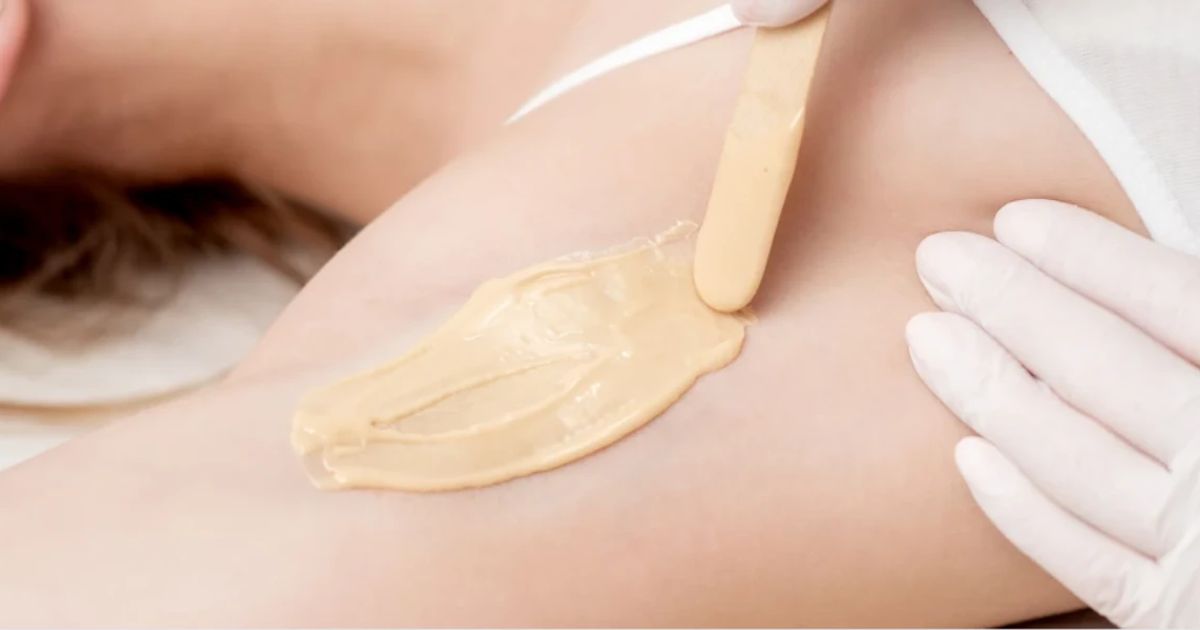
Prevention truly starts with proper waxing technique and preparation. Safe waxing practices for sensitive skin can significantly reduce your risk of developing dark patches. The key is minimizing trauma while still achieving effective hair removal.
Start your preparation 24-48 hours before your waxing appointment with gentle exfoliation. Use a soft washcloth or mild exfoliating scrub to remove dead skin cells and help prevent ingrown hairs. Avoid harsh scrubs or chemical exfoliants that might irritate your skin before the procedure.
Hard wax is generally gentler on sensitive skin compared to soft wax, as it adheres only to the hair rather than the skin surface. The temperature of the wax matters too – it should be warm enough to be pliable but not so hot that it burns your skin. Professional aestheticians are trained to test the temperature and apply wax in the direction of hair growth for optimal results.
Clean your underarms thoroughly with a gentle, pH-balanced cleanser before waxing. Avoid using deodorants, lotions, or oils on the day of your appointment, as these can interfere with wax adhesion and require more aggressive removal techniques. Your hair should be about ¼ inch long for optimal waxing results.
The first 48 hours after waxing are crucial for preventing post-waxing skin darkening. Your skin is in a vulnerable state, and how you care for it during this period can make the difference between smooth, even-toned results and unwanted hyperpigmentation.
Immediately after waxing, apply a cool compress or aloe vera gel to soothe the skin and reduce inflammation. Avoid applying deodorant for at least 24 hours, as the alcohol and fragrances in most products can irritate freshly waxed skin. Instead, use a gentle, fragrance-free moisturizer to keep the area hydrated.
Sun exposure is one of the biggest threats to freshly waxed skin. UV rays can worsen inflammation and trigger additional melanin production, leading to darker patches. If you must go outside, wear loose, breathable clothing that covers your underarms or apply a gentle, mineral-based sunscreen.
Some redness and mild swelling are normal after waxing and should subside within 24-48 hours. However, if you notice increasing darkness, persistent pain, or signs of infection like pus or red streaking, consult a dermatologist promptly.
If you're already dealing with dark underarms after waxing treatment, don't despair. Several proven ingredients can help fade existing hyperpigmentation and prevent new dark spots from forming. The key is consistency and patience, as skin renewal takes time.
Niacinamide, also known as vitamin B3, is one of the most effective ingredients for treating underarm hyperpigmentation. It works by inhibiting the transfer of melanin to skin cells and has anti-inflammatory properties that help prevent future darkening. Look for products containing 2-5% niacinamide for optimal results.
Vitamin C serums can help brighten existing dark patches while providing antioxidant protection against future damage. Choose stable forms like magnesium ascorbyl phosphate or sodium ascorbyl phosphate, which are less likely to irritate sensitive underarm skin.
Alpha hydroxy acids (AHAs) like lactic acid can help speed up cell turnover and fade dark patches more quickly. Start with low concentrations (2-5%) and use only 2-3 times per week to avoid irritation. Always follow with moisturizer and sunscreen.
Many people turn to home remedies for underarm hyperpigmentation as a gentler, more affordable approach to treating dark patches. While these natural solutions may take longer to show results, they can be effective when used consistently and safely.
Turmeric has been used for centuries in traditional medicine for its anti-inflammatory and skin-brightening properties. Create a paste by mixing turmeric powder with honey or yogurt, and apply it to clean underarms for 10-15 minutes before rinsing off. Be aware that turmeric can temporarily stain the skin yellow, so test on a small area first.
Gentle exfoliation with natural ingredients can help remove dead skin cells and promote cell turnover. Mix baking soda with water to create a mild scrub, or use oatmeal mixed with milk for a soothing exfoliating treatment. Limit exfoliation to 1-2 times per week to avoid irritation.
While natural doesn't always mean safe, especially for sensitive skin. Lemon juice, a popular home remedy, can actually worsen hyperpigmentation if used incorrectly or followed by sun exposure. Always patch test new ingredients and discontinue use if you experience irritation.
Preventing future dark patches requires a comprehensive approach that goes beyond just careful waxing. Reducing dark spots on underarms involves consistent skincare, lifestyle modifications, and sometimes reconsidering your hair removal method altogether.
Establish a weekly underarm skincare routine that includes gentle exfoliation, moisturizing, and protection. Use a mild exfoliant once or twice a week, followed by a nourishing moisturizer. Even though underarms aren't typically exposed to sun, applying sunscreen before wearing sleeveless tops can provide extra protection.
Choose loose-fitting, breathable clothing to reduce friction against your underarms. Cotton and other natural fibers are less likely to cause irritation than synthetic materials. When selecting deodorants, opt for gentle, fragrance-free formulas, or consider switching to natural alternatives.
If you continue to experience hyperpigmentation despite following proper waxing protocols, consider alternative hair removal methods. Laser hair removal, while more expensive initially, can provide permanent results without the repeated trauma of waxing. Shaving, when done properly with a sharp razor and plenty of lubrication, may be gentler for some people.
Most post-waxing hyperpigmentation fades within 2-6 months with proper care. However, deeper or more established dark patches may take up to a year to completely resolve. Consistent use of brightening ingredients and sun protection can help speed up the process.
Yes, people with darker skin tones can prevent post-waxing hyperpigmentation with proper preparation and aftercare. The key is being extra gentle with your skin and using proven brightening ingredients consistently. Consider professional waxing services that specialize in treating darker skin tones.
Not necessarily. First, try improving your waxing technique and aftercare routine. If dark patches persist despite proper care, consider spacing out your waxing sessions or switching to a gentler hair removal method temporarily while treating existing hyperpigmentation.
Avoid alcohol-based products, fragrances, retinoids, and strong acids for at least 48 hours after waxing. These ingredients can increase irritation and inflammation, potentially leading to hyperpigmentation. Stick to gentle, fragrance-free products during the healing period.
Preventing dark patches after underarm waxing is entirely possible with the right approach. Focus on gentle waxing techniques, proper aftercare, and consistent maintenance to keep your underarms smooth and evenly toned. Remember that prevention is always easier than treatment, so invest time in proper preparation and post-waxing care.
If you do develop hyperpigmentation, don't lose hope. With patience and the right treatment approach, most dark patches will fade over time. Consider consulting a dermatologist if you have persistent or severe hyperpigmentation, as professional treatments may provide faster and more dramatic results than home remedies alone.
