


How to Manage Underarm Odor and Dark Skin Tone Together
Your Cart
0You May Also Like
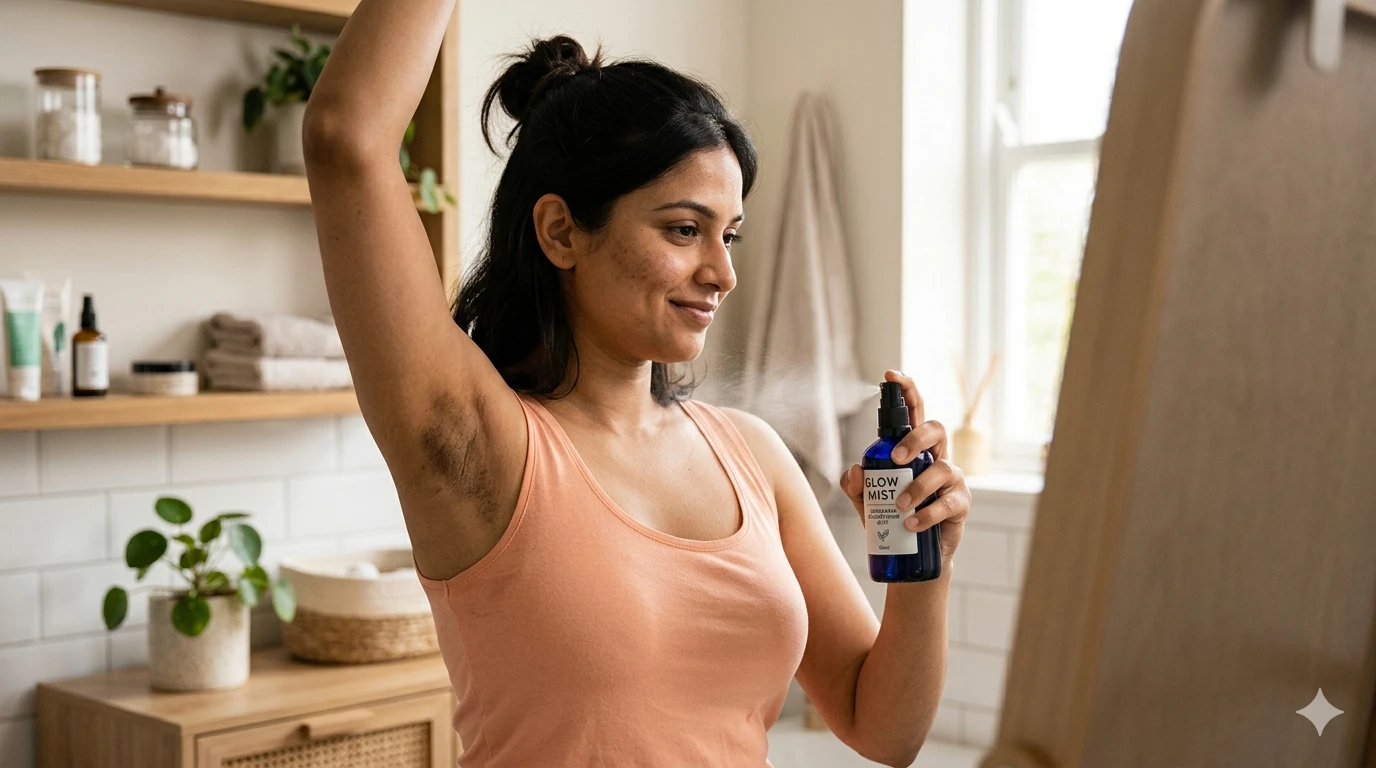
Dealing with both underarm odor and dark skin discoloration can feel overwhelming. Many people struggle with these concerns separately, not realizing they often share common causes and can be addressed together. The good news? You don't need to choose between fresh-smelling underarms and even-toned skin. With the right approach, you can tackle both issues simultaneously using gentle, effective methods that work for Indian skin. Understanding the connection between these concerns is the first step toward finding lasting solutions that keep your underarms healthy, confident, and comfortable.
The relationship between underarm odor and dark underarms causes is more interconnected than most people realize. Both issues often stem from similar triggers like friction, moisture buildup, and bacterial growth. When bacteria break down sweat in your underarm area, they not only create unpleasant odors but also contribute to inflammation that can worsen hyperpigmentation underarms.
Frequent shaving, tight clothing, and harsh deodorants create a perfect storm for both problems. The constant irritation leads to post-inflammatory hyperpigmentation while creating an environment where odor-causing bacteria thrive. Hormonal changes, especially during menstruation or pregnancy, can increase both sweat production and melanin activity, making both concerns more noticeable.
Daily activities like wearing fitted clothes or using aluminum-based antiperspirants can trap moisture and create friction. This leads to darkening while also preventing proper air circulation that naturally reduces bacterial growth.
Certain bacteria that cause strong odors also produce byproducts that can irritate skin and trigger melanin production. This explains why people with persistent odor issues often develop darker underarms over time.
To effectively manage both concerns, you need to understand what triggers them. Armpit discoloration treatment becomes more successful when you address the underlying causes rather than just the symptoms. Several factors contribute to both darkening and odor simultaneously.
Acanthosis nigricans, a condition common in people with insulin resistance, causes thick, dark patches in skin folds including underarms. This condition also affects how your body processes sugars, which can influence body odor. PCOS and diabetes create hormonal imbalances that increase both pigmentation and sweat production, making body odor solutions more complex.
Conditions like diabetes and PCOS don't just affect your metabolism. They also influence how your skin responds to irritation and how much you sweat, creating a cycle where both odor and darkening worsen together.
Poor hygiene habits, wearing synthetic fabrics, and using harsh products create an environment where bacteria flourish while simultaneously irritating skin and triggering pigmentation changes.
Finding natural underarm odor control methods that don't aggravate dark underarms requires careful ingredient selection. Many conventional deodorants contain aluminum and fragrances that can worsen pigmentation, so gentler alternatives are essential.
Apple cider vinegar works as a natural antibacterial agent without causing irritation that leads to darkening. Dilute one part vinegar with two parts water and apply with a cotton pad after showering. Witch hazel offers similar benefits with its natural astringent properties that control bacteria while being gentle on sensitive skin.
Maintaining proper pH levels helps control odor-causing bacteria naturally. Use gentle, pH-neutral cleansers instead of harsh soaps that can disrupt your skin's natural barrier and worsen both concerns.
Cornstarch-based powders absorb excess moisture without clogging pores or causing friction. Choose breathable, natural fabrics like cotton that allow air circulation and reduce bacterial growth.
When choosing underarm darkening remedies, avoid ingredients that might disrupt your skin's natural bacterial balance. The key is finding treatments that lighten pigmentation without creating conditions that promote odor-causing bacteria.
Gentle exfoliation with oatmeal scrubs removes dead skin cells that can trap bacteria and contribute to darkening. Mix ground oatmeal with honey for a natural scrub that brightens skin while providing antibacterial benefits. For those wondering how to lighten underarms safely, kojic acid and vitamin C offer effective lightening without disrupting skin's protective barrier.
Chemical peels and laser treatments can address stubborn darkening, but they require careful aftercare to prevent bacterial infections that could worsen odor issues during healing.
Look for products containing niacinamide, which reduces pigmentation while also controlling oil production and bacterial growth. Salicylic acid gently exfoliates while providing antibacterial benefits.
Creating a routine for managing sensitive underarm skin requires consistency and gentle products. Your morning routine should focus on cleansing away overnight bacterial buildup while preparing skin for the day ahead.
Start with a gentle, fragrance-free cleanser that removes bacteria without stripping natural oils. Apply a lightweight, non-comedogenic moisturizer to maintain skin barrier function. For skin lightening for underarms, use products with vitamin C or kojic acid in the evening when skin can repair itself overnight.
Evening routines should focus on deep cleansing and treatment application. Use a gentle exfoliating cleanser 2-3 times weekly to prevent buildup that contributes to both odor and darkening.
Incorporate weekly treatments like enzyme masks or gentle peels that address pigmentation while maintaining healthy bacterial balance. Monitor progress and adjust frequency based on your skin's response.
Achieving lasting results requires addressing root causes rather than just symptoms. Long-term success in managing both concerns involves lifestyle modifications, proper product selection, and sometimes professional intervention.
Wardrobe choices play a crucial role in prevention. Choose loose-fitting, breathable fabrics that reduce friction and allow air circulation. Natural fibers like cotton and bamboo wick moisture away from skin while reducing bacterial growth. Stress management is equally important, as stress hormones can increase both sweat production and inflammation that worsens pigmentation.
For severe cases, treatments like Botox for hyperhidrosis can reduce excessive sweating, which often improves both odor and darkening over time. Dermatological treatments should be considered when home remedies aren't sufficient.
Once you achieve improvement, maintaining results requires consistent care and seasonal adjustments. Summer months may require more frequent cleansing and moisture control, while winter might need extra hydration to prevent irritation.
Start with gentle cleansing using pH-neutral products, followed by natural antibacterial treatments like diluted apple cider vinegar. Use lightening ingredients like kojic acid or vitamin C in the evening, and maintain consistent moisture control with breathable fabrics and cornstarch-based powders.
Yes, many natural ingredients work for both issues. Oatmeal scrubs provide gentle exfoliation for darkening while removing bacteria that cause odor. Witch hazel acts as a natural deodorant while being gentle enough not to worsen pigmentation.
Odor control typically improves within days of starting a proper routine, while darkening may take 4-8 weeks to show noticeable lightening. Consistency is key for both concerns, and results vary based on the severity of the issues.
Avoid aluminum-based antiperspirants, harsh fragrances, and alcohol-based products that can worsen darkening. Also avoid overly aggressive exfoliants that might disrupt skin barrier function and increase bacterial growth.
Seek professional help if home remedies don't improve either concern after 8-12 weeks, if you notice sudden changes in odor or darkening, or if you suspect underlying medical conditions like diabetes or PCOS might be contributing factors.
Managing underarm odor and dark skin tone together is not only possible but often more effective than treating each concern separately. The key lies in understanding their interconnected causes and choosing gentle, dual-purpose solutions that address both issues without worsening either one.
Remember that consistency matters more than perfection. Start with simple changes like switching to breathable fabrics and gentle cleansers, then gradually introduce targeted treatments. With patience and the right approach, you can achieve fresh, even-toned underarms that boost your confidence and comfort in any situation.
