


How to Maintain Bright Skin in High-Friction Areas
Your Cart
0You May Also Like
High-friction areas like underarms, inner thighs, neck, and elbows often develop stubborn dark patches that can affect your confidence. These zones face constant rubbing from clothing, movement, and daily activities, leading to increased melanin production and visible discoloration. Understanding how to maintain bright skin even in high-friction areas requires a combination of gentle care, targeted treatments, and smart prevention strategies. The good news? With the right approach, you can achieve even skin tone and prevent future darkening in these sensitive areas.
When skin experiences repeated friction, it triggers a protective response that often leads to darkening. This process, known as post-inflammatory hyperpigmentation, occurs when melanocytes produce excess melanin to shield the skin from perceived damage. The constant rubbing from tight clothing, skin-to-skin contact, or repetitive movements creates micro-trauma that your skin interprets as a threat.
Different areas of your body experience friction for various reasons. Your underarms face constant movement and tight clothing, while inner thighs rub together during walking. The neck area often darkens due to jewelry, clothing collars, or skin folds.
Underarms: Deodorant buildup, tight sleeves, and frequent shaving
Inner thighs: Walking friction, tight pants, and moisture retention
Neck: Jewelry, clothing tags, and natural skin creases
Knees and elbows: Leaning, kneeling, and dry skin accumulation
Friction activates keratinocytes, which then signal melanocytes to produce more melanin. This protective mechanism works well for sun exposure but becomes problematic with mechanical irritation. The result is localized hyperpigmentation that can persist long after the initial friction stops.
Maintaining bright skin in friction-prone areas starts with gentle daily habits that protect and nourish your skin. The key is consistency without over-treating, which can worsen irritation and delay healing.
Choose pH-balanced cleansers that remove buildup without stripping natural oils. Harsh scrubbing can increase friction and worsen darkening, so use gentle circular motions with your fingertips rather than rough washcloths.
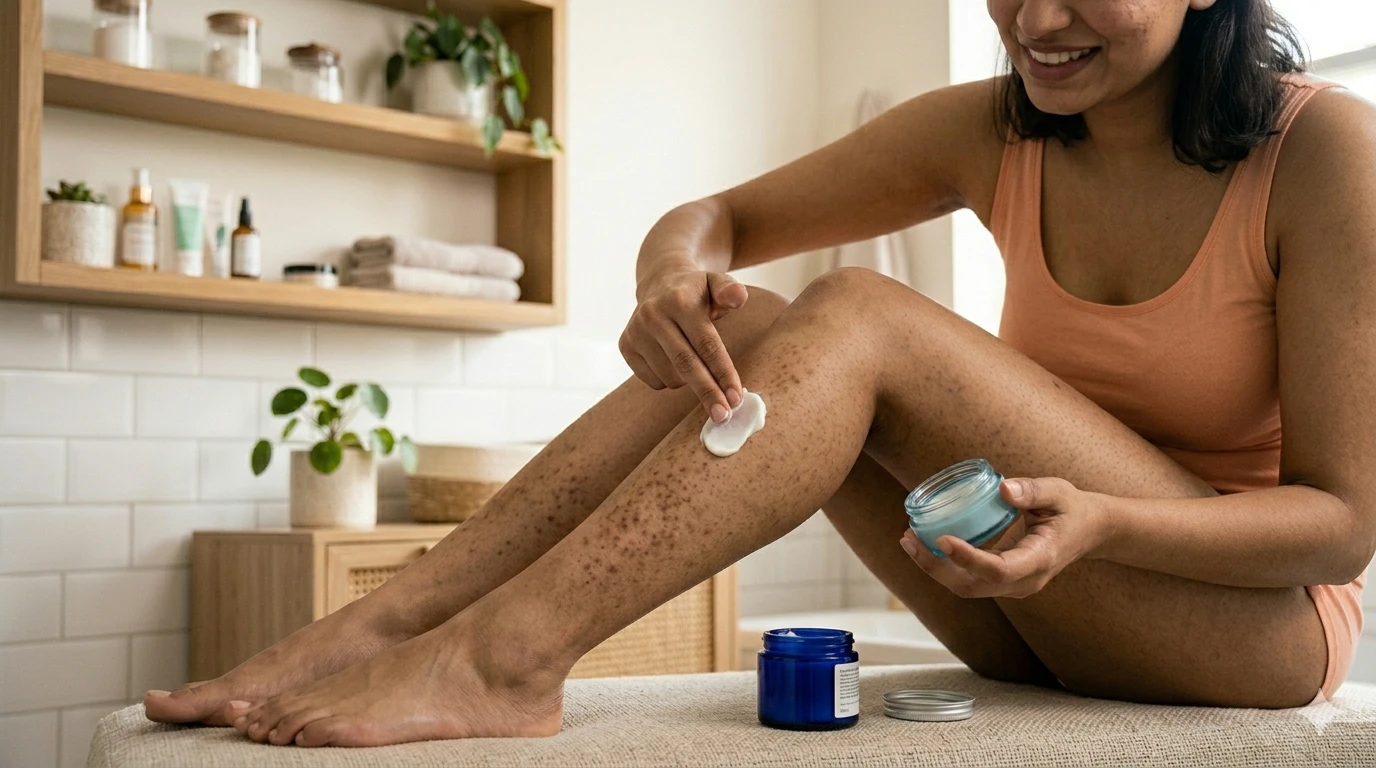
Well-moisturized skin experiences less friction and heals faster. Apply moisturizer while skin is slightly damp to lock in hydration. For high-friction areas, choose lightweight formulas that absorb quickly and won't cause additional buildup.
Effective treatment combines active ingredients that target melanin production while supporting skin renewal. The most successful approach layers different treatments strategically to maximize results without causing irritation.
Several ingredients have proven effectiveness for friction-induced darkening. Niacinamide reduces inflammation and regulates melanin transfer, making it ideal for sensitive friction areas. Kojic acid inhibits tyrosinase, the enzyme responsible for melanin production, while being gentler than hydroquinone.
Vitamin C serums: Antioxidant protection and gradual brightening
Alpha hydroxy acids: Gentle exfoliation for faster cell turnover
Retinol alternatives: Bakuchiol for sensitive areas
Arbutin: Natural skin lightening without irritation
For stubborn hyperpigmentation, dermatological treatments offer faster results. Chemical peels using glycolic or lactic acid can accelerate skin renewal, while prescription retinoids provide more intensive treatment for severe cases.
Home remedies can complement professional treatments and provide gentle support for skin healing. These natural approaches work best as part of a comprehensive routine rather than standalone solutions.
Turmeric contains curcumin, which has anti-inflammatory properties that can help reduce post-friction darkening. Mix with honey for added moisturizing benefits and apply as a gentle mask twice weekly.
Always patch test natural ingredients, especially citrus-based treatments that can cause photosensitivity. Lemon juice should be diluted and used only in evening routines, followed by thorough cleansing before sun exposure.
The most effective approach to maintaining bright skin combines treatment with prevention. By reducing friction sources and protecting vulnerable areas, you can prevent new dark spots while existing ones fade.
Choose breathable, moisture-wicking fabrics that reduce skin-to-skin contact. Seamless undergarments and properly fitted clothing minimize rubbing, while anti-chafing products create a protective barrier during activities.
UV exposure can worsen existing hyperpigmentation and slow healing. Apply broad-spectrum SPF to all exposed friction areas, including often-missed spots like the neck and underarms when wearing sleeveless clothing.
A successful routine balances active treatments with gentle care, allowing your skin to heal while preventing further damage. Start slowly with one active ingredient and gradually build your routine as your skin adapts.
Begin with gentle cleansing, followed by a vitamin C serum for antioxidant protection. Apply moisturizer to create a barrier, then finish with SPF for comprehensive protection throughout the day.
Evening routines focus on repair and renewal. After cleansing, apply treatments like niacinamide or kojic acid, followed by a nourishing moisturizer to support overnight healing.
Most people notice initial improvements within 4-6 weeks of consistent treatment. Complete results typically take 3-6 months, depending on the severity of darkening and treatment method used. Patience and consistency are crucial for lasting results.
Yes, friction-induced hyperpigmentation can significantly improve and often completely resolve with proper treatment. Early intervention typically yields better results, but even long-standing dark spots can fade with consistent care.
Brightening products enhance your skin's natural radiance and promote even tone, while lightening products specifically target melanin reduction in darker areas. Both approaches can be effective for achieving radiant skin.
Natural remedies can be effective for mild hyperpigmentation but typically work more slowly than medical-grade treatments. Severe cases often require professional intervention for optimal results, though natural ingredients can provide valuable support.
Focus on reducing friction through proper clothing choices, maintaining good hygiene, and using protective barriers. Consistent sun protection and gentle skincare habits prevent new darkening while treatments work on existing spots.
Maintaining bright skin in high-friction areas requires a multi-faceted approach combining gentle care, targeted treatments, and smart prevention. Remember that consistency trumps intensity – gentle, regular care produces better long-term results than aggressive treatments that can worsen irritation. Start with basic friction reduction and gentle brightening ingredients, then gradually build your routine as your skin responds. With patience and the right approach, you can achieve the even skin tone you desire while preventing future darkening in these challenging areas.
