


How to Identify What Hyperpigmentation Looks Like
Your Cart
0You May Also Like

₹424 ₹499

₹509 ₹599

₹594 ₹699

₹424 ₹499

₹466 ₹549
Dark spots and patches on your skin can be confusing and concerning. You might notice areas that look different from your natural skin tone and wonder what's happening. Hyperpigmentation is one of the most common skin concerns, affecting people of all ages and skin types. Understanding what hyperpigmentation looks like helps you identify it early and take the right steps for your skin. Let's explore the visual signs that can help you recognize different types of skin discoloration and know when you're dealing with hyperpigmentation.
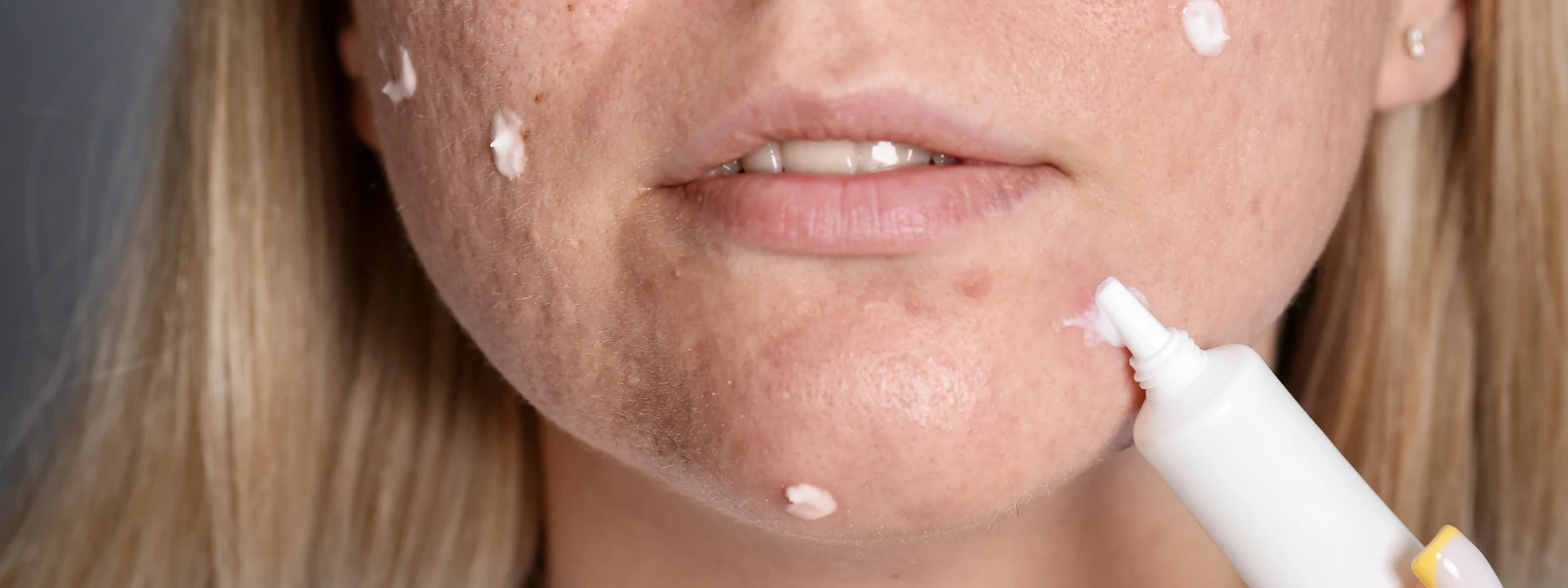
Hyperpigmentation appears as areas of skin that are darker than your natural skin tone. These spots or patches are completely flat to the touch, unlike raised moles or bumps. The affected areas feel smooth and have the same texture as the surrounding skin.
The most telling sign is the color difference. You'll notice uneven skin tone where some areas appear darker than others. These dark areas can range from light brown to deep black, depending on your skin type and the cause of the pigmentation.
Hyperpigmentation can appear as tiny freckle-like spots or large patches covering significant areas of skin. Some spots are perfectly round, while others have irregular borders that blend into the surrounding skin.
Unlike other skin conditions, hyperpigmentation doesn't change how your skin feels. The affected areas remain smooth and painless. If you notice raised, rough, or painful spots, you're likely dealing with a different skin condition.
Different types of hyperpigmentation have unique visual characteristics that help you identify what you're dealing with. Each type has specific patterns, colors, and locations where it commonly appears.
Age spots appear as small, flat, brown or black spots. They're usually round or oval and range from the size of a freckle to about half an inch across. You'll find them most often on the backs of your hands, face, shoulders, and arms.
Melasma creates larger patches of brown or gray discoloration. It often appears symmetrically on both sides of the face, creating a butterfly pattern across the cheeks and nose bridge. The patches have irregular borders and can cover significant areas of the face.
Post-inflammatory hyperpigmentation appears as dark marks where you've had acne, cuts, or other skin injuries. These spots match the exact shape and size of the original wound or pimple. They can be brown, black, or even purple, depending on your skin tone.
Freckles are small, scattered brown spots that are usually genetic. They become more noticeable with sun exposure and tend to fade in winter months. They're typically smaller than other types of hyperpigmentation.
Skin discoloration from hyperpigmentation comes in many shades. The color you see depends on your natural skin tone, the depth of the pigmentation, and what caused it to develop.
Light skin tones typically show brown to dark brown spots. Medium skin tones might develop darker brown or black patches. Darker skin tones can show black, gray, or even purple discoloration.
Fresh hyperpigmentation often starts lighter and darkens over time. Dark spots on skin from recent acne might begin as red or pink marks before turning brown or black. Sun exposure can make existing spots darker and more noticeable.
Many types of hyperpigmentation become more prominent in summer and fade slightly in winter. This happens because UV exposure triggers more melanin production, making existing spots darker.
Dark spots on skin don't appear randomly. They tend to show up in specific areas based on what caused them. Understanding these patterns helps you identify the type of hyperpigmentation you're dealing with.
Sun-related hyperpigmentation appears on areas that get the most UV exposure. This includes your face, especially the forehead, cheeks, nose, and upper lip. Your hands, forearms, and shoulders are also common spots.
Melasma typically appears on the upper face, creating patches on the forehead, cheeks, nose bridge, and upper lip. Age spots often show up on the temples and cheekbones where sun hits most directly.
The backs of your hands are prime spots for age spots and sun damage. Your décolletage and shoulders also commonly develop hyperpigmentation from sun exposure. Areas where you've had injuries or acne can develop post-inflammatory hyperpigmentation anywhere on your body.
Not all skin discoloration is hyperpigmentation. Learning to tell the difference helps you know when you're dealing with pigmentation issues versus other skin conditions that might need different treatment.
True hyperpigmentation is always flat and painless. If you notice raised areas, rough texture, or any discomfort, you're likely looking at moles, warts, or other skin growths that need professional evaluation.
See a skin specialist if you notice spots that change shape, size, or color quickly. Any spot that becomes raised, bleeds, or feels different needs professional attention. Asymmetrical spots with irregular borders also warrant a professional look.
Normal hyperpigmentation develops slowly and maintains consistent color and texture. Concerning changes include rapid darkening, irregular borders, or spots that feel different from surrounding skin.
Hyperpigmentation causes often leave visual clues that help you understand why your spots developed. The pattern, location, and timing of your dark spots can reveal what triggered them.
Sun damage creates specific patterns. You'll see spots primarily on sun-exposed areas, with the darkest spots where you get the most UV exposure. These spots often appear gradually over years of sun exposure.
Hormonal hyperpigmentation, like melasma, creates symmetrical patterns on the face. It often develops during pregnancy or while taking hormonal medications. The patches tend to be larger and more diffuse than sun spots.
Post-inflammatory hyperpigmentation appears exactly where you've had skin trauma. The shape and size match the original injury, whether it was acne, a cut, or an insect bite.
Look for flat, dark spots or patches that are darker than your natural skin tone. The areas should feel smooth and painless. If you see these characteristics, especially in sun-exposed areas or where you've had skin injuries, you likely have hyperpigmentation.
Normal skin changes happen gradually and evenly across your skin. Hyperpigmentation creates distinct areas of darker color that contrast with your natural skin tone. Normal aging might cause overall skin tone changes, while hyperpigmentation creates specific spots or patches.
Most hyperpigmentation develops gradually over weeks or months. However, post-inflammatory hyperpigmentation can appear relatively quickly after an injury or acne breakout. Sudden appearance of dark spots warrants professional evaluation.
Not all dark spots are hyperpigmentation. Some discoloration comes from blood vessels, bruising, or other skin conditions. True hyperpigmentation specifically involves excess melanin production in certain areas of skin.
Identifying what hyperpigmentation looks like is the first step in addressing your skin concerns. Remember that hyperpigmentation appears as flat, painless, dark spots or patches that contrast with your natural skin tone. Different types have distinct patterns and locations, from small age spots on your hands to larger melasma patches on your face.
Understanding these visual characteristics helps you recognize hyperpigmentation early and make informed decisions about hyperpigmentation treatment. While most hyperpigmentation is harmless, any spots that change rapidly or feel different should be evaluated by a dermatologist. With proper identification, you can take the right steps to address your specific type of skin discoloration and work toward more even skin tone.
