


How to Identify the Causes of Indian Hyperpigmentation
Your Cart
0You May Also Like
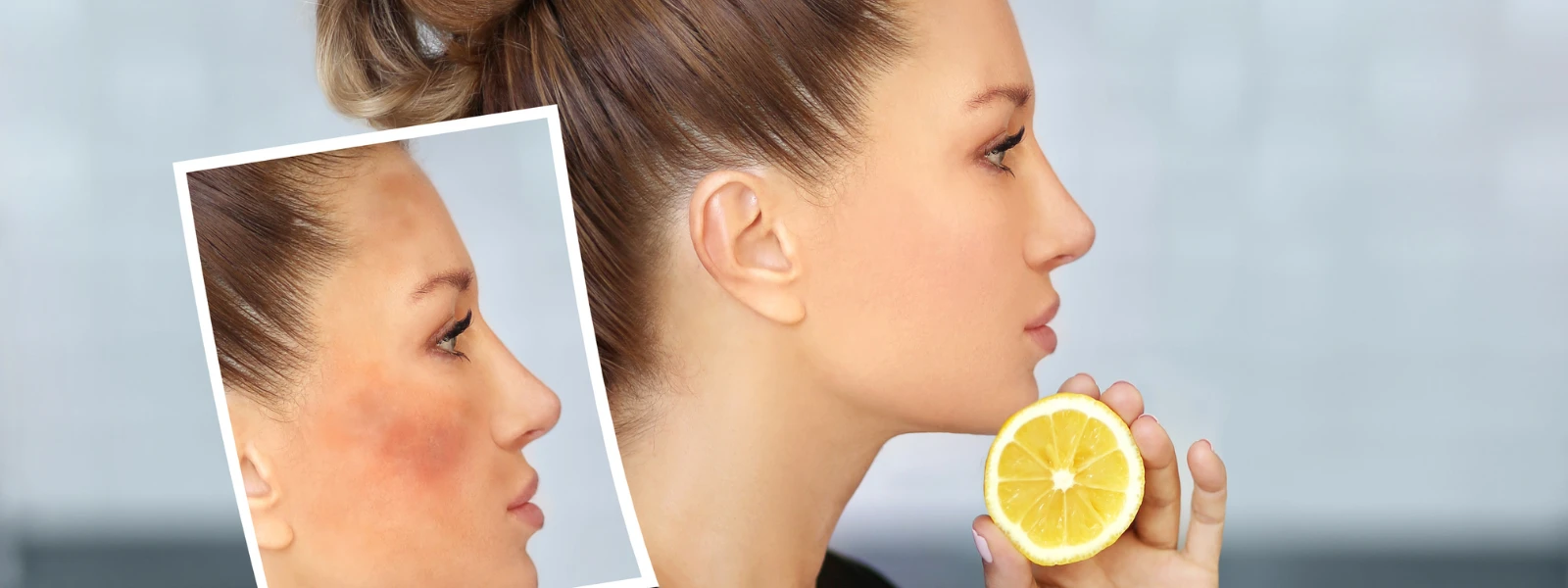
Understanding the causes of Indian hyperpigmentation is crucial for anyone dealing with uneven skin tone or dark spots. Indian skin, with its naturally higher melanin content, responds differently to various triggers compared to lighter skin tones. This unique characteristic makes it more prone to developing pigmentation issues, but also means that identifying the root causes requires a deeper understanding of how melanin production works in darker complexions. Whether you're noticing new dark patches or trying to prevent future discoloration, recognizing these triggers early can make all the difference in maintaining healthy, even-toned skin.
Indian skin typically falls within Fitzpatrick skin types III to V, which means it contains more active melanocytes than lighter skin tones. These specialized cells produce melanin as a natural defense mechanism, but they can become overactive when triggered by various factors. The higher concentration of melanin in Indian skin pigmentation serves as excellent natural sun protection, but it also means that any disruption to normal skin function can result in noticeable discoloration.
The genetic makeup of South Asian populations includes specific variations that affect how melanin is distributed throughout the skin. Research shows that people of Indian descent have a higher likelihood of developing certain types of pigmentation disorders due to these inherited traits. This doesn't mean hyperpigmentation is inevitable, but rather that understanding your skin's natural tendencies helps in prevention and treatment.
Melanin production in Indian skin occurs at a faster rate and in larger quantities when stimulated. This rapid response can lead to more pronounced and longer-lasting pigmentation changes compared to lighter skin tones.
The tropical and subtropical climate across much of India creates unique challenges for skin health. High humidity, intense UV radiation, and pollution levels all contribute to increased pigmentation risks.
Identifying the main skin discoloration causes helps you understand why certain areas of your skin may be darker than others. The most common triggers fall into four main categories, each affecting melanin production in different ways. Recognizing these patterns early allows for better prevention and more targeted treatment approaches.
Sun exposure remains the leading cause of hyperpigmentation in Indian skin, but it's often combined with other factors that amplify the effect. Understanding how these triggers work together helps explain why some people develop more severe pigmentation than others, even with similar lifestyles.
Sun exposure hyperpigmentation develops when UV rays penetrate the skin and trigger excessive melanin production. In Indian climates, where UV intensity remains high year-round, even brief exposures can accumulate over time to create noticeable dark spots.
Post-inflammatory hyperpigmentation occurs when skin injury or irritation triggers melanin overproduction during the healing process. This commonly happens after acne breakouts, cuts, or allergic reactions, leaving dark marks long after the original issue has healed.
Pregnancy, thyroid disorders, and other hormonal fluctuations can trigger melasma and other forms of pigmentation. These internal changes affect melanin production throughout the body, often creating symmetrical patterns on the face.
Areas where clothing rubs against skin or where pressure is frequently applied can develop darker pigmentation over time. This is particularly common in underarms, neck folds, and areas where jewelry is worn regularly.
Learning to identify various types of dark spots on skin helps determine the most appropriate treatment approach. Each type of pigmentation has distinct characteristics in terms of color, location, and pattern. Some appear as small, isolated spots, while others create larger patches or symmetrical patterns across the face.
The timing of when spots appear also provides important clues about their cause. Spots that develop gradually over months or years typically result from sun damage, while those that appear suddenly may indicate hormonal changes or underlying health conditions.
These flat, brown spots typically appear on sun-exposed areas like the face, hands, and shoulders. They develop slowly over years of cumulative sun exposure and become more noticeable with age.
Melasma creates symmetrical patches, usually on the cheeks, forehead, or upper lip. The patches often have irregular borders and can vary in color from light brown to dark gray.
These spots appear where acne lesions have healed and can range from light brown to deep purple. They're most common on the face, chest, and back where acne typically occurs.
Beyond direct sun exposure, many daily activities and environmental factors contribute to uneven skin tone in Indian populations. Air pollution, particularly in urban areas, can accelerate skin aging and pigmentation development. The combination of dust, smoke, and chemical pollutants creates oxidative stress that triggers melanin overproduction.
Dietary factors also play a role in skin health and pigmentation. Certain foods can either support healthy skin function or contribute to inflammation that leads to pigmentation issues. Understanding these connections helps create a more comprehensive approach to prevention.
City living exposes skin to higher levels of particulate matter and chemical pollutants that can penetrate pores and trigger inflammatory responses leading to pigmentation.
Chronic stress elevates cortisol levels, which can disrupt normal melanin production and contribute to various forms of hyperpigmentation, particularly melasma.
Some skincare ingredients can cause irritation in sensitive Indian skin, leading to post-inflammatory hyperpigmentation. This is particularly common with harsh exfoliants or products containing high concentrations of active ingredients.
Several health conditions can manifest as pigmentation disorders in Indian skin. Diabetes often causes darkening in skin folds, particularly around the neck and underarms, due to insulin resistance. This condition, called acanthosis nigricans, appears as velvety, dark patches and can be an early sign of metabolic issues.
Thyroid disorders, both overactive and underactive, can affect melanin production throughout the body. Some medications commonly prescribed in India, such as antimalarials and certain antibiotics, can also cause drug-induced hyperpigmentation as a side effect.
High blood sugar levels can cause various skin changes, including darkening in fold areas and slow healing that leads to post-inflammatory hyperpigmentation.
Deficiencies in vitamins B12, folate, and other nutrients can affect skin health and contribute to uneven pigmentation patterns.
Effective hyperpigmentation prevention starts with consistent sun protection, but it extends far beyond just applying sunscreen. For Indian skin, choosing broad-spectrum sunscreens with SPF 30 or higher is essential, but the formulation matters too. Look for sunscreens that don't leave a white cast and provide protection against both UVA and UVB rays.
Gentle skincare routines that avoid over-exfoliation help prevent the inflammation that can trigger post-inflammatory hyperpigmentation. This means using mild cleansers, avoiding harsh scrubs, and introducing active ingredients gradually to allow skin to adjust.
Beyond sunscreen, wearing protective clothing, seeking shade during peak hours, and using umbrellas or wide-brimmed hats provide additional protection against UV damage.
Using lukewarm water for cleansing, patting skin dry instead of rubbing, and avoiding picking at blemishes helps prevent the trauma that can lead to pigmentation.
While many cases of hyperpigmentation can be managed with proper skincare and prevention, certain situations require professional evaluation. If pigmentation appears suddenly, changes rapidly, or is accompanied by other symptoms like itching or pain, it's important to consult a dermatologist experienced with Indian skin types.
Professional hyperpigmentation treatment options for Indian skin include prescription medications, chemical peels, and laser treatments specifically calibrated for darker skin tones. The key is finding a practitioner who understands the unique characteristics and needs of Indian skin.
Indian skin contains more active melanocytes that produce melanin more readily when triggered. This natural characteristic, combined with genetic factors and environmental exposure in tropical climates, makes Indian skin more susceptible to developing pigmentation issues compared to lighter skin tones.
The primary causes include sun exposure, post-inflammatory responses from acne or injury, hormonal changes during pregnancy or due to medical conditions, and friction from clothing or pressure. Environmental factors like pollution and certain medications can also contribute to pigmentation development.
Prevention focuses on consistent sun protection with broad-spectrum sunscreen, gentle skincare routines that avoid inflammation, managing underlying health conditions, and protecting skin from environmental pollutants. Early treatment of acne and avoiding picking at skin also helps prevent post-inflammatory hyperpigmentation.
Consult a dermatologist if pigmentation appears suddenly, changes rapidly, covers large areas, or is accompanied by other symptoms. Also seek professional help if over-the-counter treatments haven't shown improvement after several months of consistent use.
Understanding the causes of Indian hyperpigmentation empowers you to take control of your skin health through informed prevention and treatment choices. Remember that Indian skin's unique characteristics require specialized approaches, and what works for other skin types may not be suitable for you. The key lies in identifying your specific triggers, implementing consistent prevention strategies, and seeking professional guidance when needed. With patience and the right approach, achieving even-toned, healthy skin is absolutely possible.
