


How to Get Smoother Skin Tone: Fade Dark Spots Effectively
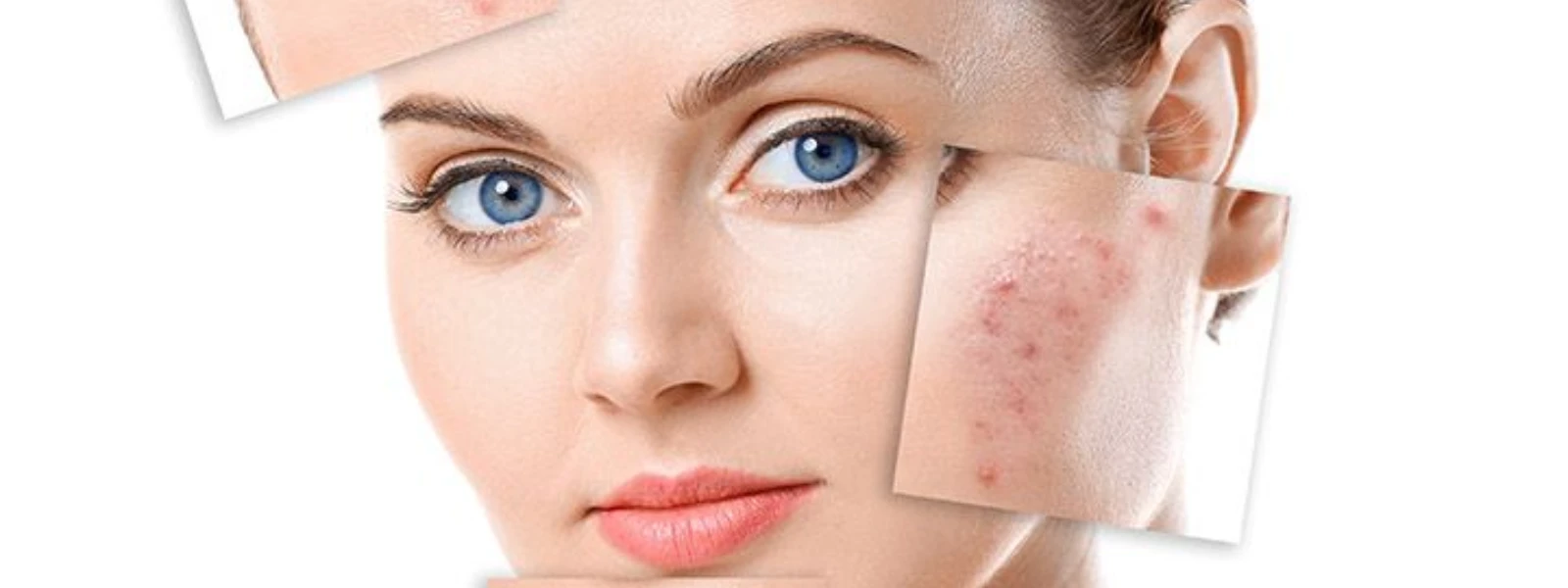
Uneven skin tone and dark spots affect millions of people worldwide, creating a constant search for effective solutions. Whether you're dealing with post-acne marks, sun damage, or age spots, achieving a smoother, more radiant complexion is possible with the right approach. Understanding how hyperpigmentation forms and implementing proven strategies can transform your skin's appearance in just 8-12 weeks.
Dark spots and uneven skin texture develop when melanin production becomes irregular in certain areas of your skin. This process, known as hyperpigmentation, can result from various factors including sun exposure, hormonal changes, and inflammation.
UV radiation triggers excess melanin production as your skin's natural defense mechanism. Over time, this leads to concentrated dark patches, commonly called age spots or sun spots, which contribute to uneven skin texture.
Pregnancy, birth control, and hormonal fluctuations can trigger melasma, causing symmetrical dark patches on the face. This type of skin discoloration requires specific treatment approaches for effective fading.
Acne, cuts, or other skin injuries often leave behind dark marks as they heal. These spots represent your skin's inflammatory response and can persist for months without proper treatment.
Your skin naturally sheds dead cells every 28 days, but this process slows down with age and damage. Understanding this cycle is crucial for achieving even skin tone and maintaining long-term results.
Healthy skin cell turnover brings fresh, undamaged cells to the surface while removing pigmented cells. When this process becomes sluggish, dark spots linger longer and skin radiance diminishes.
Professional treatments offer the most dramatic results for severe hyperpigmentation treatment. These options work by accelerating cell turnover and targeting melanin production at deeper skin levels.
Glycolic acid, lactic acid, and kojic acid peels remove damaged surface layers while stimulating new cell growth. These treatments can significantly improve skin tone correction within 4-6 sessions.
Laser therapy targets specific pigmented areas with precision, while microneedling stimulates collagen production and enhances product absorption. Both methods accelerate the journey to smoother skin tone.
The severity of your skin discoloration determines whether professional intervention is necessary. Mild to moderate dark spots often respond well to consistent at-home care, while deep or extensive pigmentation may require professional treatment.
Light brown spots that appeared recently typically respond to topical treatments within 8-12 weeks. Dark, well-established marks or those covering large areas benefit from professional hyperpigmentation treatment combined with home care.
Specific active ingredients have proven effectiveness in reducing dark spots and promoting even skin tone. Understanding how these ingredients work helps you choose the right products for your skin type and concerns.
Vitamin C inhibits melanin production while providing antioxidant protection against future damage. Look for stable forms like magnesium ascorbyl phosphate or sodium ascorbyl phosphate for consistent results.
This form of vitamin B3 reduces melanin transfer to skin cells while improving overall skin texture. Niacinamide works well for sensitive skin and can be combined with other skin brightening ingredients.
AHAs like glycolic and lactic acid remove dead skin cells, while BHAs like salicylic acid penetrate pores to address acne-related pigmentation. These acids accelerate cell turnover for faster complexion improvement.
This Korean skincare method involves massaging cleansing oil for 4 minutes, adding water and massaging for 2 minutes, then rinsing for 4 minutes. This thorough cleansing removes impurities that can contribute to uneven skin texture and prepares skin for treatment products.
Gentle, upward circular motions during the 4-2-4 method promote circulation and ensure complete removal of makeup and pollutants. This foundation step enhances the effectiveness of subsequent skin tone correction treatments.
Natural remedies can complement professional treatments and provide gentle options for sensitive skin. These methods work gradually but offer safe alternatives for those preferring natural approaches to skin brightening.
Combine aloe vera with brown sugar for gentle physical exfoliation, or mix baking soda with honey for chemical and physical benefits. These masks remove dead skin cells while nourishing the skin.
Turmeric contains curcumin, which has anti-inflammatory and melanin reduction properties. Mixed with honey, it creates a brightening mask that can improve skin radiance over time.
Long-term success in achieving smoother skin tone depends on consistent daily habits that protect and nourish your skin. These lifestyle factors determine whether your results last or fade over time.
Daily SPF 30+ application prevents new dark spots from forming and protects existing treatments. Reapply every 2 hours and use physical barriers like hats and sunglasses for comprehensive protection.
Drinking adequate water supports skin cell turnover, while antioxidant-rich foods provide internal protection against free radical damage. This combination supports natural complexion improvement processes.
Certain habits can undo your progress and worsen existing skin discoloration. Avoiding these mistakes is crucial for achieving and maintaining your desired results.
Excessive scrubbing or using too many active ingredients can cause inflammation, leading to more dark spots. Stick to gentle exfoliation 2-3 times per week for optimal results.
A structured routine maximizes the effectiveness of your chosen treatments while protecting your investment in skin tone correction. Consistency in application timing and product layering determines your success rate.
Morning routines should focus on protection with vitamin C serum and sunscreen, while evening routines emphasize treatment with retinoids or acids. This approach optimizes each ingredient's effectiveness while minimizing irritation.
Most people notice initial improvements within 4-6 weeks of consistent treatment, with significant results appearing after 8-12 weeks. Professional treatments may show faster results, while natural methods require more patience.
The 4-2-4 rule involves thorough cleansing with specific timing for oil massage, water addition, and rinsing. This method effectively removes impurities and prepares skin for better product absorption, supporting overall skin brightening efforts.
Yes, natural ingredients like vitamin C, kojic acid, and alpha hydroxy acids can effectively fade dark spots when used consistently. However, severe pigmentation may require professional treatment for optimal results.
Daily sunscreen use, gentle skincare practices, and maintaining a consistent routine prevent new dark spots from forming. Regular exfoliation and antioxidant protection help maintain your complexion improvement results.
Achieving smoother skin tone requires understanding the causes of hyperpigmentation and implementing targeted solutions consistently. Whether you choose professional treatments, at-home remedies, or a combination approach, patience and persistence are essential for lasting results. Start with gentle ingredients and sun protection, then gradually introduce more active treatments as your skin adapts. With the right approach and realistic expectations, you can achieve the radiant, even complexion you desire within 8-12 weeks of dedicated care.
