


How to Get Even Skin Tone: Reduce Dark Spots & Hyperpigmentation
Your Cart
0You May Also Like
Achieving an even skin tone feels like an uphill battle when you're dealing with dark spots, acne marks, or patches of discoloration. Whether it's sun damage from years past, stubborn post-acne marks, or hormonal changes creating uneven patches, the journey to clearer, more radiant skin doesn't have to be overwhelming. Understanding what causes these skin concerns and knowing which treatments actually work can transform your approach to skincare. With the right combination of gentle yet effective ingredients, consistent daily habits, and realistic expectations, you can see meaningful improvements in your skin's overall appearance and confidence.
Before diving into solutions, it's crucial to understand what's actually happening beneath your skin's surface. Uneven skin tone causes vary widely, but they all share one common factor: excess melanin production in certain areas of your face or body.
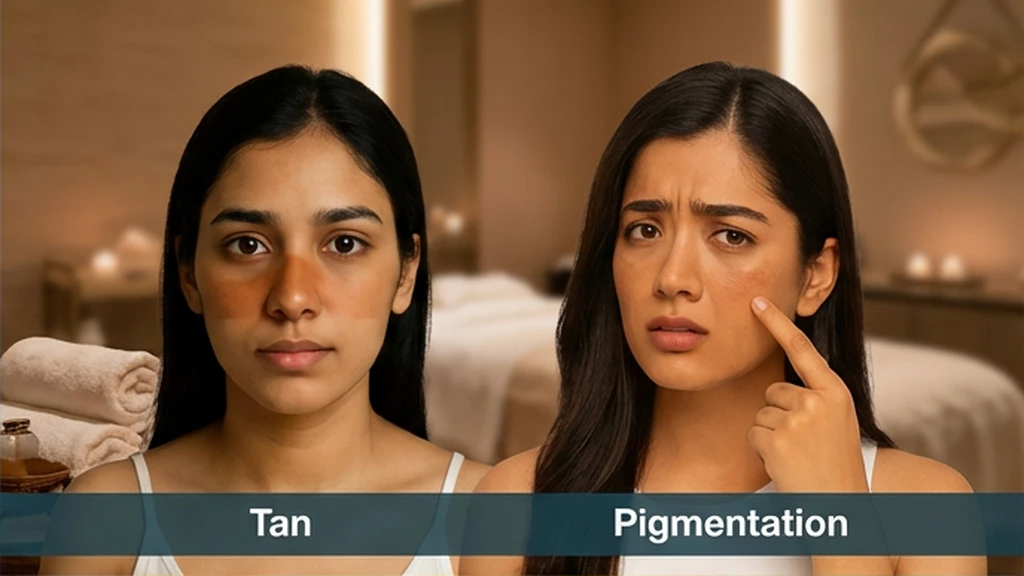
Sun exposure remains the biggest culprit behind most pigmentation issues. UV rays trigger melanin production as your skin's natural defense mechanism, but this protection often becomes uneven over time. Post-inflammatory hyperpigmentation occurs when acne, cuts, or other skin trauma heals, leaving behind darker patches where inflammation occurred.
Melasma typically appears as symmetrical brown patches on the cheeks, forehead, or upper lip, often triggered by hormonal changes during pregnancy or birth control use. Age spots tend to be smaller, well-defined dark circles that appear on sun-exposed areas like hands, shoulders, and face. Understanding your specific type helps determine the most effective skin discoloration treatment approach.
Creating an even skin complexion starts with establishing consistent daily habits that address both existing pigmentation and prevent new dark spots from forming. Your morning and evening routines should work together to gently resurface skin while providing protection and nourishment.
Start each day with a gentle cleanser that removes overnight buildup without stripping your skin's natural barrier. Follow with a vitamin C serum, which helps brighten skin while providing antioxidant protection against environmental damage. Always finish with broad-spectrum sunscreen of at least SPF 30, as this single step prevents most new pigmentation from developing.
Your nighttime routine focuses on repair and renewal. Double cleansing ensures all makeup, sunscreen, and daily pollutants are thoroughly removed. This is when you'll apply treatment serums containing ingredients like retinol, niacinamide, or gentle acids that work overnight to improve skin texture and tone.
Not all skincare ingredients are created equal when it comes to addressing pigmentation concerns. The best products for hyperpigmentation contain specific active ingredients that have been clinically proven to interfere with melanin production and help existing dark spots fade more quickly.
Vitamin C stands out as one of the most effective and well-tolerated brightening ingredients. It works by inhibiting tyrosinase, the enzyme responsible for melanin production, while also providing antioxidant benefits. Niacinamide offers multiple benefits for skin tone correction, reducing inflammation, regulating oil production, and gradually lightening dark spots without irritation.
Kojic acid, derived from fungi, naturally inhibits melanin formation and works particularly well for age spots and sun damage. Alpha arbutin provides similar benefits with less potential for irritation, making it suitable for sensitive skin types seeking gentle yet effective results.
Alpha hydroxy acids like glycolic acid help reduce dark spots by accelerating cell turnover, bringing fresh, undamaged skin to the surface more quickly. Beta hydroxy acids, particularly salicylic acid, penetrate deeper into pores and work well for those dealing with both acne and post-acne pigmentation.
While active ingredients provide the most dramatic results, natural remedies for skin tone can complement your routine and provide gentle support for your skin's healing process. These approaches focus on supporting your skin's natural renewal mechanisms rather than forcing rapid changes.
Regular gentle exfoliation with natural ingredients like oatmeal or rice powder can help remove dead skin cells that make pigmentation appear more pronounced. Honey masks provide antibacterial and moisturizing benefits while supporting skin healing. Green tea compresses offer antioxidant benefits and can help calm inflammation that might worsen existing pigmentation.
Adequate hydration helps maintain healthy skin barrier function, which supports more even healing and renewal. Quality sleep allows your skin's natural repair processes to work optimally. Managing stress levels can help prevent hormonal fluctuations that might trigger conditions like melasma.
For stubborn or extensive pigmentation issues, professional skin pigmentation treatment options can provide more dramatic results than at-home care alone. These treatments work by either removing pigmented skin layers or targeting melanin deposits more aggressively than topical products can achieve.
Chemical peels use higher concentrations of acids to remove damaged skin layers, revealing fresher skin underneath. Laser treatments can target specific pigmented areas with precision, breaking up melanin deposits that your body then naturally eliminates. Microneedling creates controlled micro-injuries that stimulate collagen production and can help fade pigmentation while improving overall skin texture.
Consider professional treatment if you've been consistent with at-home care for several months without seeing improvement, if your pigmentation is very dark or extensive, or if you have sensitive skin that reacts poorly to over-the-counter treatments. A dermatologist can also help identify whether your pigmentation might be related to underlying health conditions.
Understanding what to expect and when can help you stay motivated during your skin improvement journey. Hyperpigmentation solutions require patience, as skin renewal happens gradually and rushing the process often leads to irritation that can actually worsen pigmentation.
During the first two to four weeks, you might notice your skin feeling smoother and looking slightly brighter, though dramatic changes in pigmentation aren't typical yet. Between six to eight weeks, you should start seeing noticeable fading of lighter spots and overall improvement in skin clarity. The most significant results typically appear after three to six months of consistent use.
Deeper, older pigmentation takes longer to fade than surface-level discoloration. Your skin type, age, and overall health also influence how quickly you see results. Consistency matters more than perfection – using your routine regularly will yield better results than using stronger products sporadically.
Most people begin noticing improvements after 4-6 weeks of consistent use, with significant results becoming apparent after 3-4 months. Deeper pigmentation may take 6-12 months to show substantial fading.
Yes, but introduce them gradually. Start with one active ingredient for 2-3 weeks, then slowly add others. Vitamin C works well in the morning, while retinol or acids are better for evening use.
Daily broad-spectrum sunscreen with at least SPF 30 is crucial. This single step prevents most new pigmentation and protects your skin while existing treatments work to fade current spots.
Natural remedies can provide gentle support and prevention, but active ingredients like vitamin C, niacinamide, and retinoids typically provide more noticeable results for established pigmentation concerns.
Take photos in consistent lighting every few weeks to track progress. Look for gradual fading of spots, improved overall skin brightness, and smoother texture. Avoid checking daily, as changes happen slowly.
Achieving an even skin tone requires patience, consistency, and the right combination of protective and corrective measures. Focus on gentle yet effective ingredients like vitamin C, niacinamide, and retinoids while maintaining religious sun protection habits. Remember that skin improvement happens gradually – typically showing initial results after 6-8 weeks and significant changes after 3-6 months of consistent care. Whether you choose at-home treatments or professional procedures, the key to success lies in understanding your specific skin needs and maintaining realistic expectations throughout your journey to clearer, more radiant skin.
