


How to Fade PIH: Effective Treatments for Post-Inflammatory Hyperpigmentation
Your Cart
0You May Also Like
Post-inflammatory hyperpigmentation affects millions of people, leaving behind stubborn dark spots long after acne or skin injuries have healed. These persistent marks can take months or even years to fade naturally, making many wonder if there's a faster way to restore their skin's even tone. The good news is that with the right approach and proven ingredients, you can significantly speed up the PIH fading process and prevent new spots from forming.
Post-inflammatory hyperpigmentation occurs when your skin produces excess melanin in response to injury or inflammation. This natural healing process can leave behind dark patches that persist long after the original problem has resolved. Understanding how PIH develops is the first step in learning how to fade PIH effectively.
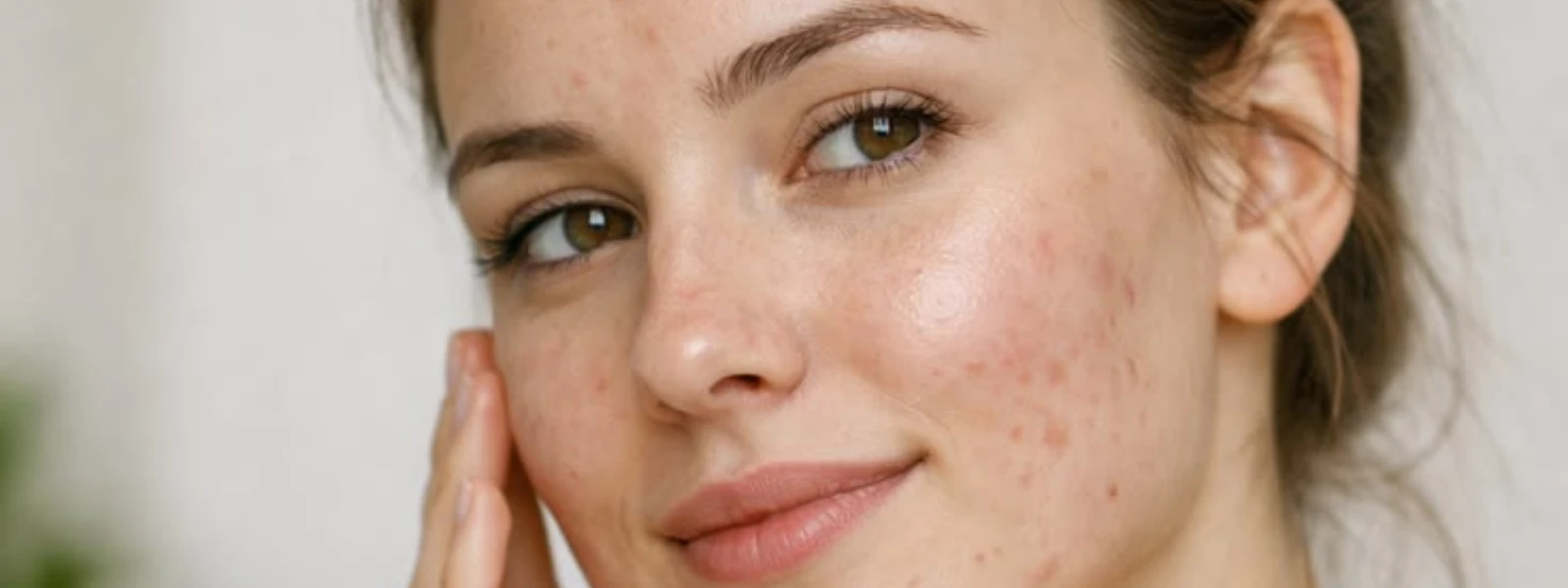
PIH appears as flat, brown or black spots that match the shape of your original breakout or injury. Unlike raised acne scars, these marks sit flush with your skin surface. PIH differs from post-inflammatory erythema (PIE), which appears red or pink, and melasma, which creates larger, symmetrical patches typically triggered by hormones.
The most common triggers include acne breakouts, especially when spots are picked or squeezed. Other causes involve cuts, burns, eczema flares, and aggressive skincare treatments that cause irritation. Sun exposure during the healing process can worsen PIH formation and make existing spots darker.
The timeline for natural PIH fading varies significantly based on your skin tone and individual healing response. Darker skin tones typically experience longer fading periods due to higher melanin production, while lighter skin may see improvement more quickly.
Light skin tones usually see PIH fade within 3-6 months without treatment. Medium skin tones can expect 6-12 months for natural fading, while darker skin tones may require 12 months or longer. These timelines assume no new inflammation occurs and proper sun protection is maintained.
Several factors can prevent or slow PIH improvement. Ongoing acne breakouts create new inflammation, while inadequate sun protection allows UV rays to darken existing spots. Skin picking, harsh scrubbing, and hormonal fluctuations can also interfere with the natural fading process.
Effective PIH treatment relies on proven ingredients that target different aspects of pigmentation. The most successful approaches combine multiple mechanisms: accelerating cell turnover, inhibiting melanin production, and providing gentle exfoliation.
Retinoids remain the gold standard for speeding up skin cell renewal. Adapalene, available over-the-counter, offers gentler introduction to retinoid benefits, while prescription tretinoin provides stronger results for stubborn post inflammatory hyperpigmentation.
Vitamin C serums with 10-20% concentration effectively inhibit tyrosinase, the enzyme responsible for melanin production. L-ascorbic acid provides the most potent results, though stable derivatives like magnesium ascorbyl phosphate work better for sensitive skin.
This versatile ingredient combines anti-inflammatory properties with melanin-inhibiting effects. Azelaic acid works particularly well for those with sensitive skin who cannot tolerate stronger treatments, making it an excellent choice for gentle hyperpigmentation treatment.
Alpha hydroxy acids like glycolic and lactic acid remove dead skin cells that contain excess pigment. Beta hydroxy acid (salicylic acid) penetrates deeper into pores, making it ideal for acne-prone skin dealing with both active breakouts and PIH.
When at-home treatments aren't providing sufficient results, professional procedures can dramatically accelerate the PIH fading process. These treatments typically require multiple sessions but offer more dramatic improvements in shorter timeframes.
Professional chemical peels use higher concentrations of acids to remove pigmented skin layers. Superficial peels with glycolic or salicylic acid require minimal downtime, while medium-depth TCA peels provide more dramatic results with longer recovery periods.
Q-switched and pico lasers specifically target melanin deposits without damaging surrounding tissue. These treatments work particularly well for isolated dark spots but may require 3-6 sessions spaced several weeks apart for optimal dark spot removal.
Microdermabrasion provides mechanical exfoliation for surface-level PIH, while IPL therapy targets broader areas of discoloration. Microneedling combined with brightening serums can enhance product penetration and stimulate natural skin renewal.
A well-structured routine maximizes the effectiveness of PIH skincare ingredients while minimizing irritation. Consistency and patience are key, as most people see initial improvements within 4-6 weeks of starting a comprehensive routine.
Start with a gentle cleanser that won't strip your skin's protective barrier. Follow with a vitamin C serum to inhibit new pigment formation, then apply a moisturizer with ceramides or hyaluronic acid. Always finish with broad-spectrum SPF 30 or higher, as sun protection is crucial for preventing PIH worsening.
Double cleansing removes sunscreen and daily buildup effectively. Apply your active treatment (retinoid, AHA, or azelaic acid) on clean skin, followed by a hydrating serum and moisturizer. This routine allows treatment ingredients to work overnight when skin repair naturally occurs.
Incorporate exfoliating masks 1-2 times weekly to boost cell turnover. Brightening sheet masks can provide additional hydration and active ingredients, while spot treatments help prevent new breakouts that could lead to additional PIH formation.
While professional treatments offer the fastest results, several natural ingredients have scientific backing for acne scar fading and PIH improvement. These gentler options work well for sensitive skin or as supportive treatments alongside stronger actives.
Kojic acid, derived from fungi, effectively inhibits melanin production with less irritation than hydroquinone. Alpha-arbutin from bearberry plants provides gentle brightening, while niacinamide (vitamin B3) reduces inflammation and regulates pigment transfer.
Despite popular claims, lemon juice can actually worsen PIH by causing photosensitivity and irritation. Turmeric masks may provide mild anti-inflammatory benefits, but they're unlikely to significantly impact established pigmentation. Focus on proven ingredients rather than DIY experiments that could cause more harm than good.
Prevention remains the most effective strategy for managing PIH long-term. By addressing the root causes of inflammation and protecting your skin from further damage, you can maintain the results of your skin discoloration correction efforts.
Daily SPF application prevents existing PIH from darkening and reduces the risk of new spot formation. Tinted sunscreens with iron oxides provide additional protection against visible light, which can worsen pigmentation in darker skin tones.
Treating acne without causing additional inflammation requires a balanced approach. Use gentle, non-comedogenic products and resist the urge to pick or squeeze breakouts. When professional extraction is needed, visit a qualified aesthetician or dermatologist.
Once you achieve your desired results, maintain them with a simplified routine focusing on gentle exfoliation, antioxidant protection, and consistent sun protection. Regular skin assessments help you catch new issues early before they develop into persistent PIH.
Combine daily retinoid use with vitamin C serum and strict sun protection. Consider professional treatments like chemical peels for faster results, typically seeing improvement within 3-6 months with consistent treatment.
PIH may persist due to inadequate sun protection, ongoing inflammation from new breakouts, skin picking habits, or simply the natural slow turnover rate in darker skin tones. Evaluate your routine and consider professional consultation.
Yes, with proper treatment and prevention strategies, PIH can fade permanently. However, new inflammation or sun damage can create fresh spots, making ongoing prevention crucial for maintaining clear skin.
PIH appears as flat, dark spots that sit flush with your skin surface, while acne scars create textural changes like indentations or raised areas. PIH responds well to topical treatments, whereas scars typically require professional procedures.
Most people notice initial improvements within 4-6 weeks of starting treatment, with significant fading occurring over 3-6 months. Darker skin tones may require longer treatment periods for complete resolution.
Learning how to fade PIH effectively requires patience, consistency, and the right combination of treatments. Start with proven ingredients like retinoids, vitamin C, and chemical exfoliants while maintaining strict sun protection. For faster results, consider professional treatments like chemical peels or laser therapy. Remember that prevention through gentle acne management and daily SPF use remains your best strategy for maintaining clear, even-toned skin long-term.
