


How to Even Body Skin Tone: Fade Dark Spots & Discoloration
Your Cart
0You May Also Like
Uneven body skin tone affects nearly 80% of adults, with dark spots and discoloration appearing most commonly on elbows, knees, underarms, and back areas. These pigmentation issues can stem from various factors including friction, hormonal changes, sun exposure, and post-inflammatory responses. While facial skincare often gets the spotlight, achieving an even skin complexion across your entire body requires targeted strategies and consistent care. Understanding the root causes of skin discoloration and implementing the right treatment approach can help you fade dark spots effectively and maintain balanced, radiant skin from head to toe.
Body hyperpigmentation occurs when melanin production increases in specific areas, creating darker patches or spots that contrast with your natural skin tone. Unlike facial pigmentation, body discoloration often develops gradually and can be more stubborn to treat due to thicker skin and different environmental exposures.
Post-inflammatory hyperpigmentation (PIH) represents the most common cause of body discoloration, developing after acne, cuts, or other skin injuries. Hormonal fluctuations during pregnancy or due to insulin resistance can trigger melasma-like patches on the torso and limbs.
Sun damage accumulates over years of exposure, particularly on shoulders, arms, and décolletage areas. Friction from clothing, especially in areas like underarms and inner thighs, can cause acanthosis nigricans - a condition creating velvety, dark patches that require specific treatment approaches.
Dark spots typically appear as small, defined areas of increased pigmentation, while patches cover larger surface areas with varying intensity. Some discoloration affects only color, while others involve textural changes that require combined treatment approaches.
Temporary discoloration from recent inflammation often responds well to topical treatments, whereas permanent changes from chronic sun damage may need professional intervention for optimal results.
Achieving skin brightening naturally requires patience and consistency, but gentle approaches often provide lasting results without irritation. Natural ingredients work gradually to inhibit melanin production while supporting healthy skin cell turnover.
Start with gentle cleansing using lukewarm water and mild, pH-balanced cleansers that won't strip natural oils. Harsh scrubbing can worsen pigmentation by causing micro-inflammation.
Apply moisturizer while skin is still damp to lock in hydration, as well-hydrated skin appears more even-toned and heals faster from pigmentation issues.
Kojic acid from fermented rice offers gentle pigmentation removal properties, while vitamin C from citrus sources provides antioxidant protection and melanin inhibition. Alpha hydroxy acids from fruits like papaya and pineapple naturally exfoliate dead skin cells, revealing brighter skin underneath.
Create DIY body masks using turmeric, honey, and yogurt for their anti-inflammatory and brightening properties, applying 2-3 times weekly to affected areas.
Proper hydration supports cellular function and helps maintain skin elasticity, while antioxidant-rich foods like berries and leafy greens provide internal protection against oxidative stress that can worsen pigmentation.
Quality sleep allows skin repair processes to function optimally, while regular exercise improves circulation, delivering nutrients to skin cells more effectively.
Professional treatments offer faster, more dramatic results for stubborn uneven skin tone issues. Dermatologist-recommended active ingredients provide targeted action against melanin production while promoting healthy skin renewal.
Hydroquinone remains the gold standard for pigmentation removal, typically used in 2-4% concentrations under professional guidance. Azelaic acid offers gentler action with anti-inflammatory benefits, making it suitable for sensitive skin types.
Retinoids accelerate cellular turnover, helping fade existing spots while preventing new formation. Niacinamide helps balance skin tone by reducing melanin transfer to skin cells and improving overall skin barrier function.
Glycolic acid penetrates deeply to remove damaged skin layers, while salicylic acid works particularly well for textured, acne-prone areas. Lactic acid provides gentler exfoliation suitable for sensitive areas like underarms and décolletage.
Professional treatments use higher concentrations than at-home options, delivering faster results but requiring proper aftercare and sun protection.
Chemical peels designed for body use can address widespread discoloration, while laser therapy targets specific spots with precision. Microdermabrasion removes surface irregularities, and IPL (Intense Pulsed Light) treats larger areas of sun damage effectively.
These procedures typically require multiple sessions spaced 4-6 weeks apart, with costs ranging from ₹3,000-₹15,000 per session depending on treatment type and area size.
Different body areas require customized approaches due to varying skin thickness, sensitivity levels, and exposure patterns. Understanding these differences helps optimize treatment effectiveness while minimizing irritation risks.
Darker skin tones require gentler approaches to avoid post-inflammatory hyperpigmentation, often benefiting from azelaic acid and kojic acid over stronger ingredients. Sensitive skin responds better to gradual introduction of active ingredients with lower concentrations.
Mature skin may need additional hydration support alongside pigmentation treatments, while combination skin areas require targeted application of different products to various zones.
Body skin typically tolerates higher concentrations than facial skin, allowing for more aggressive treatment approaches. However, sensitive areas like underarms and inner thighs need gentler formulations similar to facial products.
Application frequency can often be increased for body areas, with daily use possible for most active ingredients once skin acclimates to the treatment.
Selecting the right products forms the foundation of successful skin tone correction. Understanding ingredient compatibility and proper application techniques maximizes results while minimizing potential side effects.
Brightening cleansers with gentle exfoliating ingredients prepare skin for treatment absorption, while targeted serums and lotions deliver active ingredients directly to pigmented areas. Broad-spectrum sunscreen prevents further darkening and protects healing skin from UV damage.
Exfoliating tools like body brushes or chemical exfoliants remove dead skin cells, allowing better penetration of treatment products and revealing brighter skin underneath.
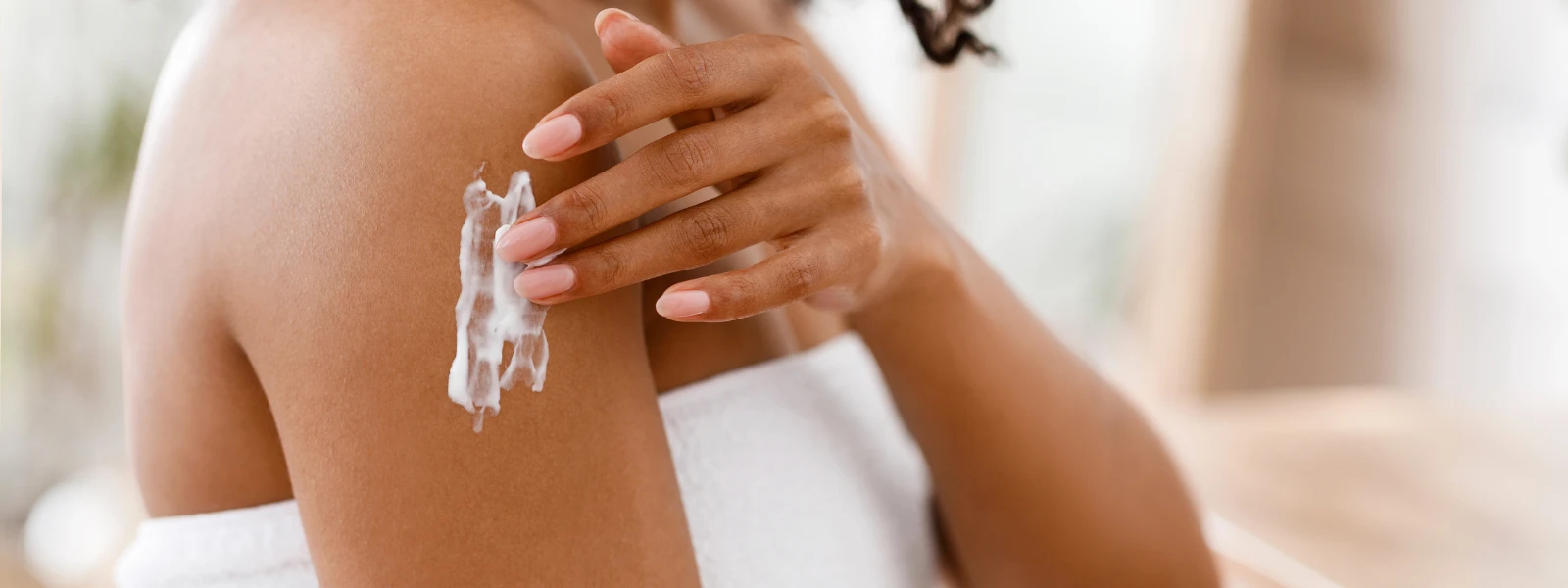
Apply products to clean, slightly damp skin for better absorption, using gentle upward motions to avoid irritation. Layer products from thinnest to thickest consistency, allowing each layer to absorb before applying the next.
Perform patch tests on small areas before full application, and track progress with photos taken in consistent lighting conditions to monitor improvement over time.
Effective hyperpigmentation treatment doesn't require expensive products. Many affordable options contain proven ingredients like kojic acid, niacinamide, and vitamin C at therapeutic concentrations.
Premium products often offer enhanced delivery systems and additional beneficial ingredients, but consistent use of basic formulations typically provides excellent results for most people.
Preventing new pigmentation while treating existing issues requires comprehensive sun protection and consistent skincare habits. Long-term success depends more on daily consistency than expensive treatments or products.
Apply broad-spectrum SPF 30 or higher to all exposed body areas daily, reapplying every 2 hours during extended outdoor exposure. Pay special attention to commonly forgotten areas like ears, feet, and hands.
Protective clothing, wide-brimmed hats, and seeking shade during peak UV hours (10 AM-4 PM) provide additional protection beyond sunscreen alone.
Consistent routine adherence proves more important than product selection for maintaining results. Seasonal adjustments may include increased moisturization during winter and enhanced sun protection during summer months.
Product rotation strategies help prevent skin adaptation while maintaining effectiveness, alternating between different active ingredients or concentrations as needed.
Over-exfoliation can worsen pigmentation by causing inflammation, while inconsistent application prevents ingredients from reaching therapeutic levels. Neglecting sun protection undermines treatment progress by allowing new damage to occur.
Unrealistic timeline expectations lead to premature treatment abandonment, as most pigmentation improvements require 8-12 weeks of consistent use to become visible.
Combine regular exfoliation (2x weekly) with targeted treatments containing kojic acid, hydroquinone, or azelaic acid. Maintain daily cleansing, moisturizing, and broad-spectrum sunscreen application to prevent further darkening.
Most people see initial improvements in 4-6 weeks with consistent use, while significant fading typically occurs within 3-6 months depending on pigmentation depth and treatment intensity.
Yes, azelaic acid inhibits tyrosinase enzyme production, reducing melanin formation and gradually lightening dark spots while promoting more even skin complexion over time.
While possible, body skin is typically less sensitive and may require higher concentrations. Body-specific formulations are often more cost-effective for larger surface areas.
Darker skin tones require gentler approaches to avoid post-inflammatory hyperpigmentation, while lighter skin may tolerate stronger treatments. Professional guidance is recommended for optimal results.
Achieving an even body skin tone requires understanding your specific pigmentation type and selecting appropriate treatments accordingly. Natural methods work well for mild discoloration, while professional treatments offer faster results for stubborn issues. Consistency in application and sun protection remains crucial for both treatment success and long-term maintenance. Remember that visible improvements typically take 2-3 months of dedicated care, but the investment in proper skincare habits pays dividends in confidence and skin health. Whether you choose natural ingredients or professional treatments, patience and persistence will help you achieve the balanced, radiant complexion you desire.
