


How to Effectively Treat Skin Discoloration Naturally
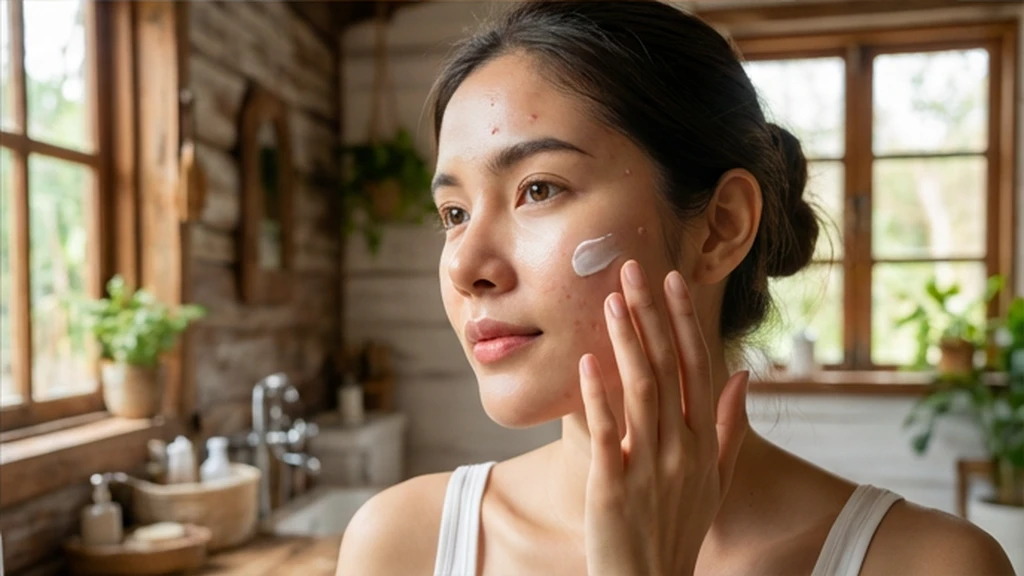
Dealing with dark spots, uneven patches, or stubborn discoloration can feel overwhelming. Whether you're battling post-acne marks, age spots, or melasma, finding effective solutions doesn't always require harsh chemicals or expensive treatments. Natural remedies for skin discoloration offer gentle yet powerful alternatives that work with your skin's natural healing process. These time-tested ingredients can help restore your confidence while being kind to your skin and wallet. The key lies in understanding what causes these changes and choosing the right natural approach for your specific concerns.
Before diving into treatments, it's crucial to understand what triggers skin discoloration causes. Your skin produces melanin as a protective response to various factors, but sometimes this process goes into overdrive. Sun exposure remains the biggest culprit, causing those stubborn spots that seem to appear overnight. Hormonal fluctuations during pregnancy or while taking certain medications can trigger melasma, often called the "pregnancy mask."
Post-inflammatory hyperpigmentation treatment becomes necessary when acne, cuts, or other skin injuries heal but leave behind darker patches. Age naturally slows down cell turnover, allowing pigmented cells to accumulate and create those telltale age spots. Understanding your specific type of discoloration helps you choose the most effective natural approach.
Melasma typically appears as symmetrical patches on the face, especially the cheeks and forehead. Solar lentigines, commonly known as age spots, show up as small, dark spots on sun-exposed areas. Post-acne marks can range from red to brown, depending on your skin tone and the severity of the original breakout.
Natural ingredients often contain multiple beneficial compounds that work synergistically. Unlike single-ingredient synthetic treatments, natural remedies provide antioxidants, anti-inflammatory agents, and gentle exfoliants all in one package. This comprehensive approach helps address not just the visible discoloration but also the underlying skin health.
The world of natural remedies for hyperpigmentation offers numerous options backed by both traditional wisdom and modern research. These ingredients work by inhibiting melanin production, promoting cell turnover, or providing antioxidant protection. The beauty of natural treatments lies in their gentle yet effective approach to achieving skin brightening results.
Success with natural remedies requires patience and consistency. Unlike aggressive chemical treatments that might show rapid but potentially irritating results, natural ingredients work gradually to restore balance to your skin. This slower process often leads to more sustainable, long-lasting improvements without the risk of rebound pigmentation.
Vitamin C for skin works by inhibiting tyrosinase, the enzyme responsible for melanin production. Fresh lemon juice provides natural vitamin C, but it must be used carefully due to its photosensitizing properties. Apply diluted lemon juice only in the evening and always follow with sunscreen the next day. Alternatively, create a vitamin C mask using crushed vitamin C tablets mixed with honey for a gentler approach.
Aloe vera contains aloesin, a compound that specifically targets hyperpigmentation. Apply fresh aloe gel directly to dark spots on skin twice daily. For enhanced benefits, mix aloe vera with a few drops of vitamin E oil. This combination provides both lightening effects and deep moisturization, supporting overall skin health while addressing discoloration.
Turmeric contains curcumin, which helps reduce melanin production while providing anti-inflammatory benefits. Create a paste using turmeric powder, milk, and honey. Apply this mixture to affected areas for 15-20 minutes before rinsing. Be cautious with turmeric as it can temporarily stain lighter skin tones yellow.
Green tea contains polyphenols that help fade dark spots while protecting against future damage. Brew strong green tea, let it cool, and apply with a cotton pad to pigmented areas. You can also freeze green tea in ice cube trays and gently massage the frozen cubes over your face for a refreshing treatment that improves circulation.
Some types of pigmentation require more targeted approaches. Melasma treatments often benefit from ingredients that address hormonal triggers, while age spots removal might need stronger exfoliating components. Understanding these differences helps you customize your natural treatment plan for maximum effectiveness.
Consistency becomes even more critical with stubborn discoloration. These persistent spots have often been developing for months or years, so patience with natural treatments is essential. The goal is steady, sustainable improvement rather than dramatic overnight changes that might compromise skin health.
Apple cider vinegar contains natural acids that gently exfoliate dead skin cells and promote cell turnover. Always dilute it with equal parts water before applying to avoid irritation. Use this treatment only 2-3 times per week, and always follow with moisturizer and sunscreen.
Licorice root contains glabridin, which helps inhibit melanin production without irritation. Create a paste using licorice powder and rose water, or look for natural skincare products containing licorice extract. This ingredient is particularly beneficial for sensitive skin that can't tolerate stronger treatments.
Ground oatmeal provides gentle physical exfoliation while honey offers antibacterial and moisturizing properties. Mix these ingredients to create a weekly treatment that removes dead skin cells and promotes the emergence of fresh, evenly-toned skin underneath.
While treating existing uneven skin tone is important, prevention remains your most powerful tool. Sun protection forms the foundation of any anti-pigmentation strategy. Even the most effective natural treatments will fail if you continue exposing your skin to UV damage daily.
Lifestyle factors play a significant role in skin health and pigmentation. Adequate sleep, stress management, and proper nutrition all contribute to your skin's ability to repair and regenerate effectively. These foundational elements support whatever topical treatments you choose to use.
Apply broad-spectrum sunscreen with at least SPF 30 every morning, regardless of weather or season. Reapply every two hours when outdoors. Consider wearing wide-brimmed hats and seeking shade during peak sun hours. Remember that UV rays can penetrate windows, so protection is necessary even indoors near windows.
Antioxidant-rich foods support your skin's natural repair processes. Include plenty of berries, leafy greens, and colorful vegetables in your diet. Stay well-hydrated to support cellular function and toxin elimination. Limit processed foods and excess sugar, which can promote inflammation and interfere with healing.
Success with natural remedies for skin discoloration depends on creating a consistent, well-structured routine. Start slowly with one or two ingredients to assess your skin's tolerance. Gradually build your routine as your skin adapts, always prioritizing gentle, sustainable practices over aggressive approaches.
Track your progress with photos taken in consistent lighting conditions. Natural treatments work gradually, and progress photos help you see improvements that might not be obvious day-to-day. Be patient and give each treatment at least 6-8 weeks to show results.
Start with gentle cleansing using natural ingredients like honey or oatmeal. Apply your chosen vitamin C treatment, followed by a natural moisturizer. Always finish with sunscreen as your final step. Keep morning routines simple to ensure consistency.
Evening offers the perfect time for more intensive treatments. After cleansing, apply treatments like aloe vera, turmeric masks, or diluted apple cider vinegar. Allow treatments to absorb fully before applying a nourishing night moisturizer. This is also the ideal time for any treatments containing citrus ingredients.
Most natural treatments require 6-12 weeks of consistent use before showing visible improvements. Skin cell turnover takes approximately 28 days, so you'll need at least 2-3 cycles to see significant changes. Patience and consistency are key to success with natural approaches.
Natural remedies can significantly lighten and often eliminate many types of discoloration, especially newer spots. Very old or deep pigmentation might require professional treatment, but natural methods can still provide substantial improvement and prevent new spots from forming.
While generally gentler than chemical treatments, natural ingredients can still cause reactions in sensitive individuals. Always perform patch tests before applying new treatments to your face. Those with darker skin tones should be especially cautious with acidic ingredients like lemon juice.
Vitamin C typically shows the fastest results among natural ingredients, often providing visible improvements within 4-6 weeks. However, combining multiple ingredients usually provides better overall results than relying on a single treatment.
Yes, but introduce them gradually to avoid overwhelming your skin. Start with one treatment and add others weekly once you've confirmed tolerance. Avoid using multiple acidic treatments simultaneously, and always maintain your sunscreen routine.
Natural remedies for skin discoloration offer a gentle, sustainable path to achieving more even skin tone. While these treatments require patience and consistency, they provide the added benefits of nourishing your skin with beneficial compounds rather than simply targeting pigmentation. Remember that prevention through daily sun protection remains your most powerful tool against future discoloration. Combine natural treatments with healthy lifestyle choices for the best possible results, and don't hesitate to consult a dermatologist if you have concerns about any changes in your skin's appearance.
