


How to Choose the Best Vitamin C Serum for Glowing
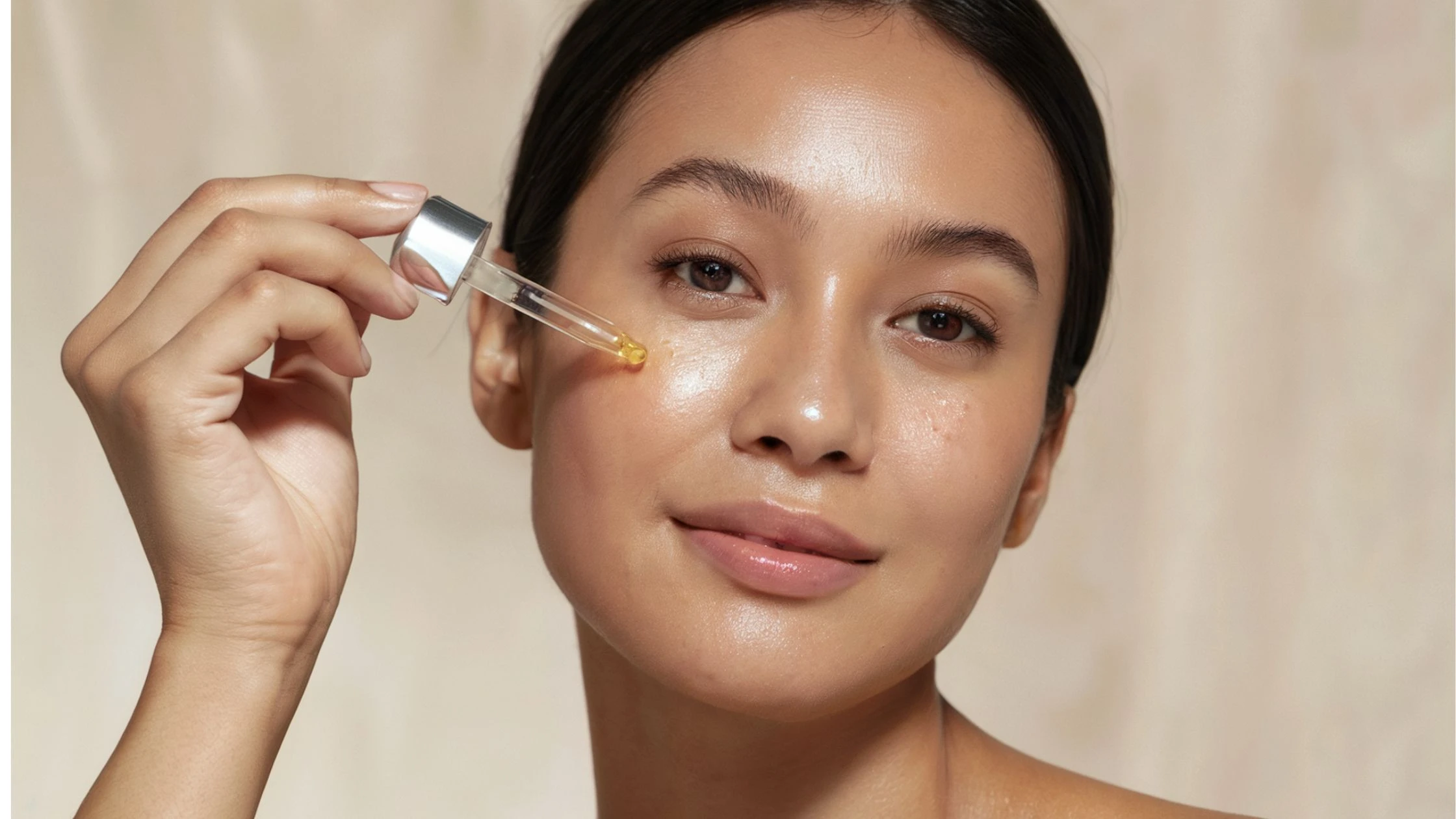
Finding the perfect vitamin C serum can feel overwhelming with countless options promising radiant, glowing skin. The truth is, not all vitamin C serums are created equal, and what works for your friend might not work for you. Your skin type, concerns, and lifestyle all play crucial roles in determining which formula will deliver the best results. Understanding the science behind vitamin C and knowing what to look for can transform your skincare routine from guesswork into a targeted approach that actually works.
The best vitamin C serum isn't necessarily the one with the highest concentration or the fanciest packaging. Quality vitamin C serums combine effective ingredients with stable formulations that your skin can actually absorb and use. The key lies in understanding how different forms of vitamin C work and which supporting ingredients enhance their effectiveness. Concentration matters, but stability matters more. A 20% vitamin C serum that's oxidized and brown won't deliver better results than a fresh 10% formula. Look for serums in dark glass bottles or opaque packaging, as light and air cause vitamin C to break down quickly. The vitamin C serum benefits you're seeking depend on proper formulation and storage.
Stability stands as the most critical factor. Vitamin C degrades when exposed to light, air, and heat. Quality brands use stabilized forms of vitamin C or protective packaging to maintain potency. pH levels also matter significantly, as vitamin C works best in slightly acidic environments.
The best formulations include vitamin E and ferulic acid, which stabilize vitamin C and boost its antioxidant power. These vitamin C serum ingredients work synergistically to provide better results than vitamin C alone.
Vitamin C delivers multiple skin benefits that address various concerns simultaneously. Understanding these benefits helps you choose a serum that targets your specific needs. Whether you're dealing with dullness, fine lines, or uneven skin tone, vitamin C can help transform your complexion over time. The antioxidant properties of vitamin C protect your skin from environmental damage while promoting cellular repair. This dual action makes it an essential ingredient for both prevention and treatment of skin concerns.
Vitamin C serum anti-aging benefits stem from its role in collagen synthesis. As we age, collagen production naturally decreases, leading to fine lines and loss of firmness. Vitamin C stimulates fibroblasts to produce more collagen, helping maintain skin elasticity and reducing visible signs of aging.
For those struggling with uneven skin tone, vitamin C serum for hyperpigmentation offers hope. Vitamin C inhibits tyrosinase, the enzyme responsible for melanin production. Regular use can fade existing dark spots while preventing new ones from forming. Results typically become visible after 4-6 weeks of consistent use.
Vitamin C serum skin brightening effects come from its ability to even out skin tone and boost radiance. By promoting cell turnover and reducing oxidative stress, vitamin C reveals fresher, more luminous skin underneath.
Different forms of vitamin C offer varying levels of potency and stability. Understanding these differences helps you choose the right formula for your skin's tolerance level and specific needs. Some forms work better for sensitive skin, while others deliver more dramatic results for resilient complexions. L-ascorbic acid remains the most potent form, but it's also the most unstable and potentially irritating. Derivative forms offer gentler alternatives with excellent stability profiles.
L-ascorbic acid provides the most direct vitamin C benefits but requires careful formulation and storage. Magnesium ascorbyl phosphate offers a gentler alternative that's more stable and less likely to cause irritation, making it ideal for beginners.
Vitamin C serum sensitive skin formulations typically use sodium ascorbyl phosphate or magnesium ascorbyl phosphate. These stable forms provide vitamin C benefits without the irritation potential of L-ascorbic acid. Start with lower concentrations and gradually increase as your skin builds tolerance.
Selecting the perfect vitamin C serum requires evaluating multiple factors beyond just the vitamin C content. Consider your skin type, current routine, and specific concerns when making your choice. The right serum should complement your existing products without causing irritation or conflicts. Packaging plays a crucial role in maintaining serum effectiveness. Look for dark glass bottles, airless pumps, or opaque containers that protect the formula from light and air exposure.
Beginners should start with 10-15% concentrations to build tolerance. Experienced users can handle 15-20% formulations for more dramatic results. Higher concentrations aren't always better and may cause irritation without additional benefits.
Vitamin E and ferulic acid enhance vitamin C stability and effectiveness. Hyaluronic acid provides hydration, while niacinamide can help with additional brightening benefits. Avoid combining with retinol or benzoyl peroxide initially.
Proper application maximizes your serum's effectiveness and minimizes potential irritation. Most people see initial improvements in skin brightness within 2-3 weeks, while vitamin C serum before and after results for hyperpigmentation become more apparent after 6-8 weeks of consistent use. Apply vitamin C serum to clean, dry skin in the morning for maximum antioxidant protection throughout the day. Always follow with sunscreen, as vitamin C can increase photosensitivity initially.
Cleanse your face, apply vitamin C serum to slightly damp skin, wait 10-15 minutes, then follow with moisturizer and SPF. This routine maximizes absorption while providing all-day protection.
Week 1-2: Improved skin brightness and glow. Week 3-4: Enhanced skin texture and radiance. Week 6-8: Visible reduction in vitamin C serum dark spots and more even skin tone. Week 12+: Significant improvement in overall skin quality and reduced signs of aging.
Start with a stable form like magnesium ascorbyl phosphate in 10-15% concentration. Look for gentle formulations that include hydrating ingredients like hyaluronic acid.
Most people notice improved brightness within 2-3 weeks. Significant changes in hyperpigmentation and fine lines typically appear after 6-12 weeks of consistent daily use.
Use vitamin C in the morning and retinol at night to avoid potential irritation. Some people can use both together, but it's best to introduce them separately first.
Refrigeration can extend shelf life, especially for L-ascorbic acid formulations. However, quality serums with proper packaging don't require refrigeration if stored in cool, dark places.
Serums have smaller molecules that penetrate deeper into skin, while creams provide more surface hydration. Serums typically contain higher concentrations of active ingredients.
Choosing the best vitamin C serum requires understanding your skin type, concerns, and tolerance level. Start with stable, gentle formulations and gradually work up to higher concentrations if needed. Consistency matters more than potency, so choose a serum you'll use daily rather than the strongest option available. Remember that results take time, and proper application with sun protection maximizes benefits while minimizing risks.
