


How to Choose the Best Hyperpigmentation Cream
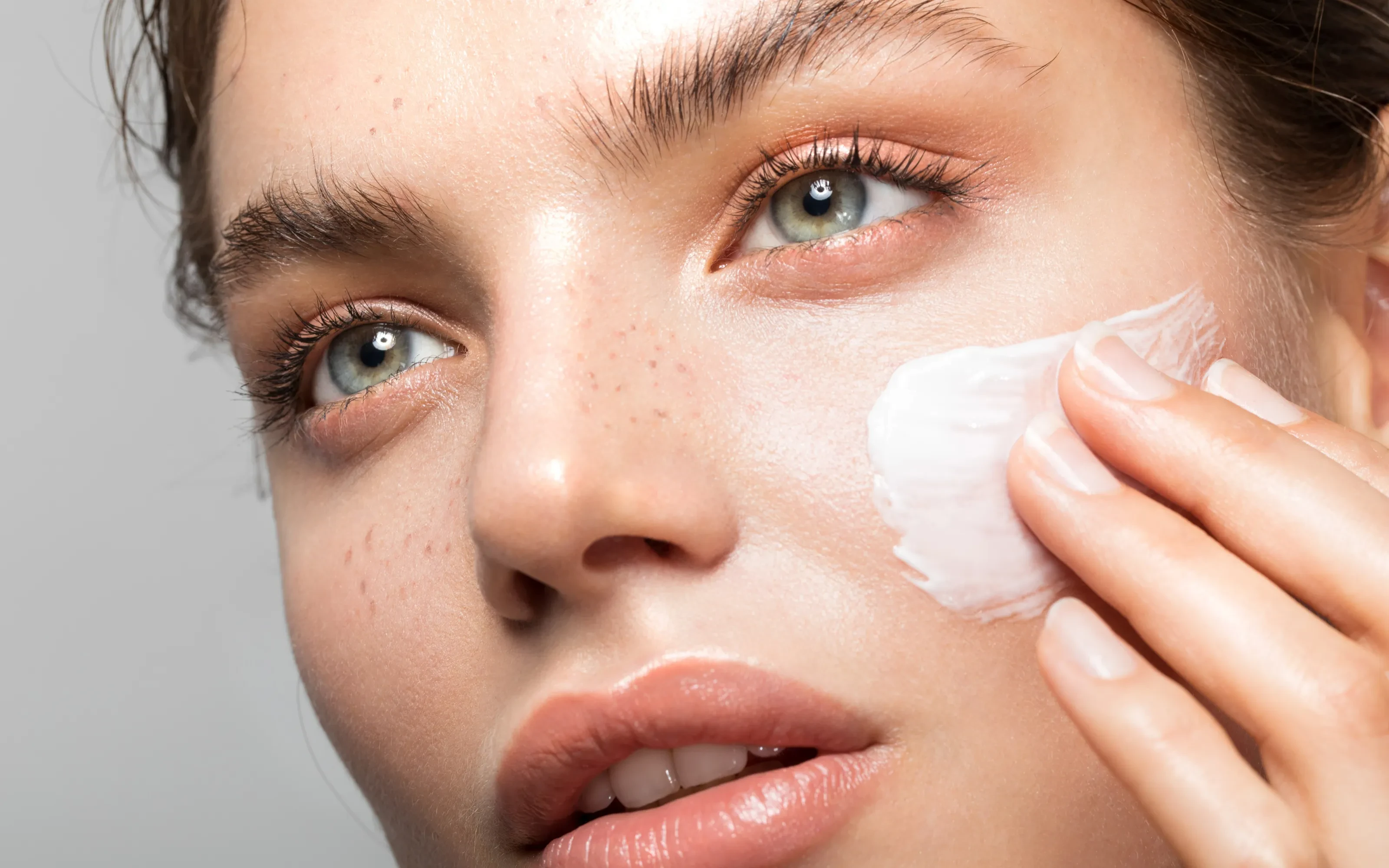
Dark spots and uneven skin tone affect over 90% of adults at some point in their lives. Whether it's melasma from pregnancy, age spots from sun damage, or post-acne marks, hyperpigmentation can feel overwhelming. The good news? The right hyperpigmentation cream can make a real difference. With countless products claiming to fade dark spots, choosing the best one for your skin requires understanding what actually works. This guide breaks down everything you need to know about selecting effective hyperpigmentation treatment options that deliver real results.
Hyperpigmentation happens when your skin produces too much melanin in certain areas. This creates those frustrating dark patches that seem impossible to fade. Understanding what caused your skin discoloration helps you choose the most effective treatment approach.
Sun exposure tops the list of hyperpigmentation triggers. UV rays stimulate melanin production, leading to age spots and general darkening. Hormonal changes during pregnancy or from birth control can cause melasma - those symmetrical patches often called "pregnancy mask." Post-inflammatory hyperpigmentation occurs after acne, cuts, or other skin injuries heal.
Melasma typically appears on the face in symmetrical patterns. Age spots show up as small, round dark patches on sun-exposed areas. Post-inflammatory hyperpigmentation can happen anywhere you've had skin trauma. Each type responds differently to treatment, so identifying yours matters for choosing the right dark spot corrector.
Effective hyperpigmentation products contain specific active ingredients proven to fade dark spots. Not all ingredients work the same way, and some suit certain skin types better than others. Understanding these powerhouse components helps you make smarter choices.
Hydroquinone remains the gold standard for stubborn pigmentation. This ingredient blocks melanin production and shows results within 12 weeks for most people. Vitamin C brightens skin while protecting against future damage. Retinoids speed up cell turnover, helping dark spots fade faster. Azelaic acid offers gentle brightening perfect for sensitive skin. Kojic acid provides natural skin lightening, while tranexamic acid shows promising results for melasma treatment.
Niacinamide strengthens your skin barrier while reducing inflammation. Alpha hydroxy acids gently exfoliate dead skin cells, revealing brighter skin underneath. Arbutin offers mild lightening effects with minimal irritation risk.
Topical creams aren't your only option for treating dark spots, but they offer unique advantages. Understanding when creams work best helps you set realistic expectations and choose the right approach for your situation.
Creams work well for mild to moderate pigmentation that covers larger areas. They're budget-friendly compared to professional treatments and let you maintain your routine at home. Most people see gradual improvement over 8-12 weeks with consistent use.
Prescription-strength formulations contain higher concentrations of active ingredients. They work faster but require medical supervision. Over-the-counter options take longer but offer more flexibility and lower costs. Professional treatments like chemical peels can complement your skin brightening cream routine.
Your skin type and pigmentation severity determine which products will work best. A cream that transforms your friend's skin might irritate yours, so personalized selection matters more than following trends.
Sensitive skin needs gentle formulations with lower concentrations of active ingredients. Look for products with soothing ingredients like aloe or chamomile. Dry skin benefits from hyperpigmentation products that include hydrating ingredients like hyaluronic acid. Oily skin should choose non-comedogenic formulas that won't clog pores.
Mild discoloration responds well to vitamin C and gentle acids. Moderate pigmentation may need stronger ingredients like hydroquinone or prescription retinoids. Stubborn dark spots often require combination treatments or professional intervention alongside topical creams.
Pregnant women should avoid hydroquinone and retinoids, focusing on vitamin C and azelaic acid instead. Under-eye dark circles need gentler formulations designed for delicate skin. Body hyperpigmentation can handle stronger concentrations than facial products.
Proper application makes the difference between success and frustration with hyperpigmentation treatment. Many people give up too early or use products incorrectly, missing out on potential results.
Always patch test new products on a small area first. Apply skin discoloration cream to clean, dry skin using gentle upward motions. Start with every other night to build tolerance, then increase frequency as your skin adjusts. Never skip sunscreen during the day - it's essential for preventing new dark spots.
Weeks 1-4 focus on skin adjustment and tolerance building. You might notice slight brightening but don't expect dramatic changes yet. Months 2-3 bring visible improvement in most cases. Stubborn spots may take 6 months or longer to fade significantly.
Using too much product can cause irritation without faster results. Mixing incompatible ingredients like vitamin C and retinoids can reduce effectiveness. Inconsistent use prevents you from seeing your cream's full potential.
While generally safe, hyperpigmentation creams can cause side effects, especially when you first start using them. Knowing what to expect helps you distinguish between normal adjustment and concerning reactions.
Mild irritation, dryness, and peeling are common when starting stronger formulations. These usually improve as your skin adjusts. Serious concerns include paradoxical darkening from hydroquinone or severe allergic reactions. Stop use immediately if you experience burning, severe redness, or worsening pigmentation.
Avoid hydroquinone, tretinoin, and high-concentration salicylic acid during pregnancy. Safe alternatives include vitamin C, azelaic acid, and kojic acid. Always consult your healthcare provider before starting any new melasma treatment during pregnancy.
The best cream depends on your skin type and pigmentation severity. Hydroquinone works fastest for stubborn spots, while vitamin C offers gentler brightening with antioxidant benefits.
Most people notice initial improvements after 6-8 weeks of consistent use. Significant fading typically occurs between 3-6 months, depending on the product strength and spot severity.
Yes, but introduce them gradually to avoid irritation. Start with one product, then add others once your skin adjusts. Avoid mixing acids with retinoids in the same application.
Inconsistent use, insufficient time, or wrong product choice for your skin type are common reasons. Some spots need stronger formulations or professional treatment to respond.
Choosing the right hyperpigmentation cream requires understanding your skin type, pigmentation cause, and ingredient options. Start with gentler formulations and build up to stronger treatments as needed. Consistency matters more than product price - the best age spot removal cream is one you'll use daily. Remember that fading dark spots takes time, typically 3-6 months for noticeable results. Always use sunscreen to prevent new pigmentation while treating existing spots. If over-the-counter options don't work after 3-4 months of consistent use, consider consulting a dermatologist for stronger treatments.
