


How to Avoid Common PIH Treatment Mistakes
Your Cart
0You May Also Like
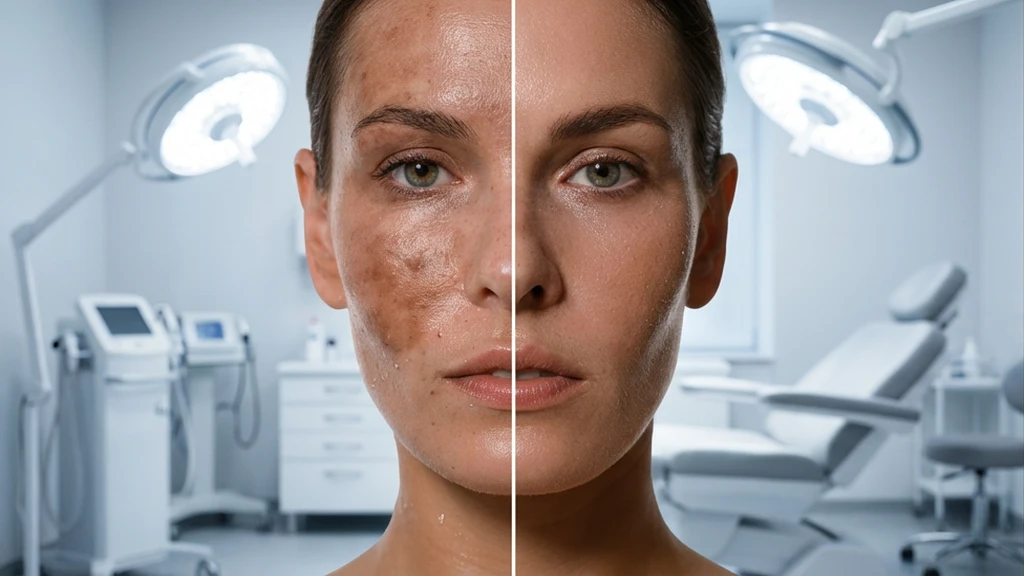
Post-inflammatory hyperpigmentation (PIH) can be one of the most frustrating skin concerns to deal with. Those dark spots that linger long after a breakout has healed seem to mock every skincare effort you make. The good news? PIH is completely treatable. The challenging news? Most people make critical mistakes that either slow down their progress or make the pigmentation worse. Understanding these common PIH treatment mistakes to avoid can save you months of frustration and help you see real results faster. Whether you're dealing with acne marks, dark spots from old injuries, or stubborn pigmentation that just won't budge, avoiding these pitfalls is your first step toward clearer, more even-toned skin.
• The biggest PIH treatment mistakes include over-exfoliating, skipping sunscreen, and expecting instant results – all of which can actually make dark spots worse • Successful PIH treatment requires patience (8-12 weeks minimum), consistent sun protection, and gentle introduction of proven actives like kojic acid and alpha arbutin • Warning signs your treatment isn't working include increased irritation, new dark spots appearing, or existing spots getting darker after 4-6 weeks
Post-inflammatory hyperpigmentation happens when your skin produces extra melanin in response to inflammation or injury. Think of it as your skin's overzealous healing response – when a pimple, cut, or irritation damages the skin, melanocytes (the cells that make pigment) go into overdrive trying to protect the area. This excess melanin gets deposited in the skin, creating those dark spots that can stick around for months or even years. This process involves melanin overproduction triggered by an inflammatory response.
PIH is different from other types of hyperpigmentation like melasma or age spots because it's directly triggered by inflammation. Common causes include acne breakouts, eczema flares, cuts, burns, insect bites, or even aggressive skincare treatments that irritate the skin. People with darker skin tones are more prone to PIH because their melanocytes are naturally more active and reactive to inflammation.
The timeline matters here. PIH typically develops within days to weeks after the initial inflammation, and without treatment, it can take 6-12 months to fade naturally – sometimes longer on deeper skin tones. Understanding this process helps explain why certain treatment approaches work and others backfire spectacularly.
These hyperpigmentation treatment errors can set back your progress by months, so let's break down what not to do.
The biggest skincare mistake for dark spots is thinking that scrubbing harder will make them fade faster. Using multiple exfoliating acids at once, starting with high concentrations, or physically scrubbing inflamed areas creates more inflammation – which triggers more melanin production. Your PIH actually gets darker, not lighter.
Start with one gentle exfoliating ingredient at a low concentration. For instance, a serum with carefully balanced actives can work on pigmentation without causing the irritation that leads to more dark spots. Give your skin time to adjust before adding anything stronger.
This is non-negotiable. UV exposure darkens existing PIH and creates new spots faster than any treatment can fade them. Even if you're indoors most of the day, UV rays penetrate windows and can undo weeks of progress.
Use broad-spectrum SPF 30 or higher every single day, and reapply every 2-3 hours if you're exposed to sunlight. Reliable protection without a white cast is key to consistent sunscreen use.
PIH didn't form overnight, and it won't disappear overnight either. Switching products every few weeks because you don't see instant results is one of the most common PIH mistakes. Most effective treatments need 8-12 weeks to show visible improvement.
Set realistic expectations and stick with proven ingredients for at least three months before deciding if something works. Take progress photos in the same lighting to track changes you might not notice day-to-day.
Mixing incompatible actives or layering too many treatments creates irritation without better results. Common problematic combinations include using vitamin C with retinol in the same routine, or combining multiple acids without understanding their pH requirements.
Keep it simple. Use one active ingredient for PIH at a time, and introduce new products gradually. A complete routine that works together without conflicting interactions is ideal.
Not all dark spots are PIH. Melasma, age spots, and other types of hyperpigmentation require different approaches. Using the wrong treatment wastes time and money while your actual concern goes untreated.
If you're unsure what type of pigmentation you're dealing with, consider consulting a dermatologist for proper diagnosis before starting treatment.
Lemon juice, baking soda scrubs, and other harsh home remedies can cause chemical burns and worsen PIH. These incorrect hyperpigmentation remedies often create more inflammation, leading to darker, more persistent spots.
Stick to clinically proven ingredients with established safety profiles. If you want to try something new, research the ingredient thoroughly and patch test first.
Focusing only on pigmentation while ignoring skin barrier function often backfires. Compromised skin is more prone to inflammation and slower to heal, which means your PIH treatments work less effectively.
Maintain a gentle, consistent routine that supports your skin barrier while targeting pigmentation. This means using a gentle cleanser, moisturizing regularly, and avoiding over-treatment.
Knowing when to stop or adjust your current approach can prevent PIH worsening. Watch for these red flags:
Increased redness, burning, or stinging that doesn't improve after the first week of use suggests your treatment is too aggressive.
New dark spots appearing during treatment often means you're causing more inflammation than you're treating.
If existing spots are getting darker rather than lighter after 4-6 weeks, your current approach isn't working.
Persistent irritation, peeling, or sensitivity that interferes with daily life means you need to scale back.
No improvement after 12 weeks of consistent use indicates you need a different strategy or professional consultation.
Trust your skin. If something feels wrong, it probably is. PIH treatment should involve gradual improvement, not constant irritation.
Effective hyperpigmentation management tips focus on proven ingredients and realistic timelines. Understanding common PIH mistakes is crucial for success.
Kojic acid and alpha arbutin are gentle but effective options for daily use. They work by inhibiting tyrosinase, the enzyme responsible for melanin production. Vitamin C (in stable forms like magnesium ascorbyl phosphate) provides antioxidant protection while gradually lightening existing spots.
Niacinamide reduces inflammation and helps prevent new PIH from forming. Gentle AHAs like lactic acid can help with surface-level pigmentation when used carefully.
Weeks 1-4 focus on gentle introduction and skin tolerance. Start with lower concentrations and monitor for irritation. Weeks 4-8 allow for gradual increase in frequency or potency if your skin tolerates the initial treatment well.
Weeks 8-16 are when you should see visible improvement. This is the maintenance phase where consistency matters most. Long-term management involves continuing effective treatments at a maintenance level while preventing new PIH formation.
PIH prevention strategies start with controlling inflammation. Treat acne gently and promptly to minimize the inflammatory response that triggers PIH. Avoid picking at breakouts or irritated skin, as this trauma increases melanin production.
Maintain a consistent anti-inflammatory routine with gentle cleansing, adequate moisturizing, and daily sun protection. A gentle cleanser that removes impurities without stripping the skin can reduce the irritation that leads to PIH.
Address underlying skin conditions that cause chronic inflammation. Proper wound care for cuts or injuries helps minimize PIH risk. Lifestyle factors like managing stress, getting adequate sleep, and eating an anti-inflammatory diet also support overall skin health.
Using too many harsh treatments at once, thinking more aggressive equals faster results. This creates more inflammation and darker spots.
Most people see initial improvement around 4-6 weeks, with significant results by 8-12 weeks of consistent use.
It's better to use them at different times – vitamin C in the morning and retinol at night – to avoid irritation.
This usually means your treatment is too aggressive and causing more inflammation. Scale back and focus on gentle, consistent care.
Signs include persistent redness, burning, peeling, or new dark spots appearing during treatment.
Minimum SPF 30, but a higher SPF is better for maximum protection. Reapply every 2-3 hours when exposed to sunlight.
Avoiding these common dark spot treatment blunders can dramatically improve your results and save you months of frustration. The key is patience, consistency, and gentle persistence rather than aggressive over-treatment. Remember that PIH is completely treatable – it just requires the right approach and realistic expectations.
A breakthrough in melanin-first skincare technology is specifically engineered to treat discoloration and restore pigment balance. This advanced molecule works by breaking down excess melanin deposits into re-absorbable amino acids while inhibiting future melanin overproduction, making it more effective than traditional ingredients for hyperpigmentation. When combined with proper sun protection and a gentle routine, this complex helps fade existing dark spots while preventing new ones from forming, giving you the even-toned, clarified skin you've been working toward.
