


How Tan Spots Fade: Effective Hyperpigmentation Treatment
Your Cart
0You May Also Like
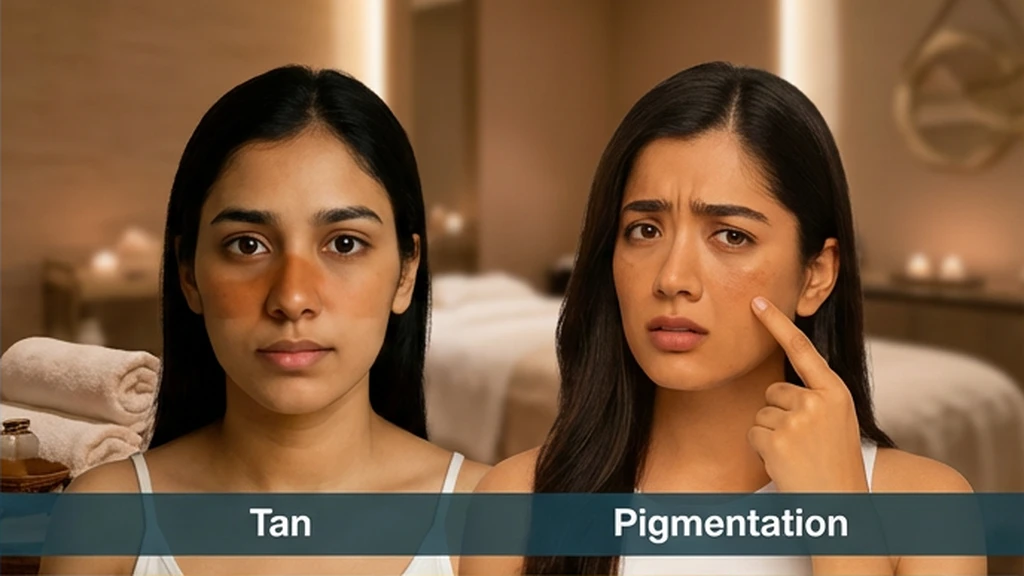
Tan spots and hyperpigmentation can feel like unwelcome reminders of sun exposure, hormonal changes, or past skin irritation. Understanding how tan spots fade naturally gives you the power to choose the right approach for your skin. Whether you're dealing with stubborn melasma, age spots, or post-inflammatory marks, the journey to clearer skin involves patience, consistency, and the right treatment strategy. Your skin has an incredible ability to renew itself, but knowing what influences this process helps you work with your body's natural healing mechanisms rather than against them.
Your skin follows a natural cycle that determines how tan spots fade over time. This process, called cell turnover, typically takes 28 to 40 days for healthy skin. During this cycle, new skin cells form in the deeper layers and gradually move to the surface, pushing out older, pigmented cells.
Melanin, the pigment responsible for skin color and tan spots, gets produced by cells called melanocytes. When these cells become overactive due to sun exposure, hormones, or inflammation, they create excess melanin that shows up as dark patches. The depth of this pigmentation determines how quickly it fades naturally.
Surface-level tanning from recent sun exposure often fades within 2-4 weeks as your skin naturally sheds. However, deeper hyperpigmentation treatment requires more time and targeted approaches since the melanin sits in lower skin layers.
Several factors affect how quickly your tan spots disappear. Age plays a significant role since cell turnover slows as we get older. Your skin type also matters - those with naturally faster cell renewal see quicker results. The original cause of pigmentation influences fading time too, with sun spots often responding faster than melasma or post-inflammatory marks.
Different types of pigmentation require different approaches for effective dark spot removal. Recognizing what you're dealing with helps you choose the most suitable treatment path and set realistic expectations for results.
Age spot lightening typically shows good results because these spots form from accumulated UV damage in the upper skin layers. Sun spot reduction responds well to consistent treatment since the pigmentation often sits closer to the surface.
Melasma fading presents unique challenges since hormones can reactivate pigment production. This type of hyperpigmentation often appears symmetrically on the face and may darken during pregnancy or with hormonal changes.
Post-inflammatory hyperpigmentation develops after acne, injuries, or skin irritation. These dark marks can take months to fade naturally but often respond well to gentle, consistent treatment approaches.
Setting realistic expectations helps you stay consistent with your skin discoloration remedies. The timeline for seeing results varies significantly based on the type and depth of pigmentation you're treating.
Fresh tan spots from recent sun exposure typically fade within 2-4 weeks as your skin naturally renews itself. Deeper hyperpigmentation requires 3-6 months of consistent treatment to see significant improvement. Stubborn melasma may take 6-12 months or longer, especially if hormonal factors continue influencing pigment production.
Proper sun protection prevents existing spots from darkening while you treat them. Regular, gentle exfoliation helps remove pigmented cells faster. Hydration supports healthy cell turnover, while stress and poor sleep can slow the healing process.
Most people notice initial lightening within 4-6 weeks of starting treatment. Significant improvement typically appears after 8-12 weeks of consistent care. Remember that progress often happens gradually, making daily photos helpful for tracking changes.
When natural fading feels too slow, professional hyperpigmentation treatment can accelerate results. These options work by either removing pigmented skin layers or inhibiting melanin production more aggressively than home treatments.
Chemical peels remove the top layers of pigmented skin, revealing fresher skin underneath. Light peels require multiple sessions but have minimal downtime. Deeper peels show dramatic results but need longer recovery periods.
Laser therapy targets melanin specifically, breaking it down so your body can eliminate it naturally. Different laser types work better for different pigmentation depths and skin tones.
Dermatologists may prescribe stronger lightening agents like hydroquinone or tretinoin. These ingredients work faster than over-the-counter options but require professional monitoring to prevent side effects.
Natural hyperpigmentation solutions offer gentler alternatives that work with your skin's natural processes. While they take longer than aggressive treatments, they're often safer for long-term use and sensitive skin types.
Vitamin C serums help reduce melanin production while providing antioxidant protection. Kojic acid, derived from fungi, gently inhibits the enzyme that creates melanin. Licorice root extract contains compounds that naturally lighten pigmentation over time.
Niacinamide helps achieve even skin tone by reducing melanin transfer between cells. This ingredient also strengthens the skin barrier, making it less prone to future pigmentation.
Gentle exfoliation with fruit acids or enzymes helps remove pigmented cells without irritation. Natural brightening masks using ingredients like turmeric or yogurt can provide mild lightening effects when used consistently.
Combining multiple approaches often produces faster results than single treatments alone. This strategy, called combination therapy, addresses pigmentation from different angles while supporting your skin's natural healing processes.
Start with gentle exfoliation to remove surface pigmentation and improve product absorption. Add a vitamin C serum for daytime antioxidant protection and melanin reduction. Use a retinol or gentle acid treatment at night to boost cell turnover. Always finish with broad-spectrum sunscreen to prevent new damage.
Proper hydration helps skin cells function optimally, supporting faster renewal. Getting adequate sleep allows your skin to repair itself more effectively. A diet rich in antioxidants provides the nutrients your skin needs for healthy cell production.
Achieving even skin tone is only half the battle - maintaining clear skin requires ongoing prevention strategies. Sun protection remains the most crucial factor in preventing new pigmentation and protecting your treatment results.
Daily broad-spectrum SPF 30 or higher prevents UV rays from triggering new melanin production. Reapply every two hours when outdoors, and don't forget often-missed areas like your neck and hands. Consider wearing protective clothing and seeking shade during peak sun hours.
Once you've achieved your desired results, a simplified maintenance routine helps preserve your progress. Continue using gentle exfoliation 1-2 times weekly and maintain consistent sun protection. Consider rotating between different lightening ingredients to prevent your skin from becoming resistant to any single approach.
Combine gentle daily exfoliation with vitamin C serum and consistent sun protection. Professional treatments like chemical peels can accelerate results, but expect 4-6 weeks minimum for noticeable improvement even with aggressive approaches.
Surface tan spots typically fade within 2-4 weeks through natural skin turnover. Deeper pigmentation may take 3-6 months or longer, depending on the original cause and your skin's renewal rate.
No treatment can eliminate tan spots overnight. Even the strongest professional treatments require multiple sessions over weeks or months. Be wary of products claiming instant results, as they may cause irritation or damage.
Vitamin C, kojic acid, niacinamide, and gentle acids like lactic acid show proven results. Prescription options like hydroquinone work faster but require professional supervision. Consistency matters more than ingredient strength for long-term success.
Understanding how tan spots fade empowers you to choose treatments that work with your skin's natural processes. Whether you prefer gentle natural approaches or faster professional treatments, consistency and patience remain key to achieving lasting results. Remember that prevention through daily sun protection is just as important as treatment for maintaining clear, even-toned skin.
Start with gentle approaches and gradually increase intensity if needed. Most importantly, protect your skin from further damage while treating existing pigmentation. With the right strategy and realistic expectations, you can achieve the clear, radiant skin you're working toward.
