


How Smog Causes Spots: Understanding Pollution Acne
Your Cart
0You May Also Like
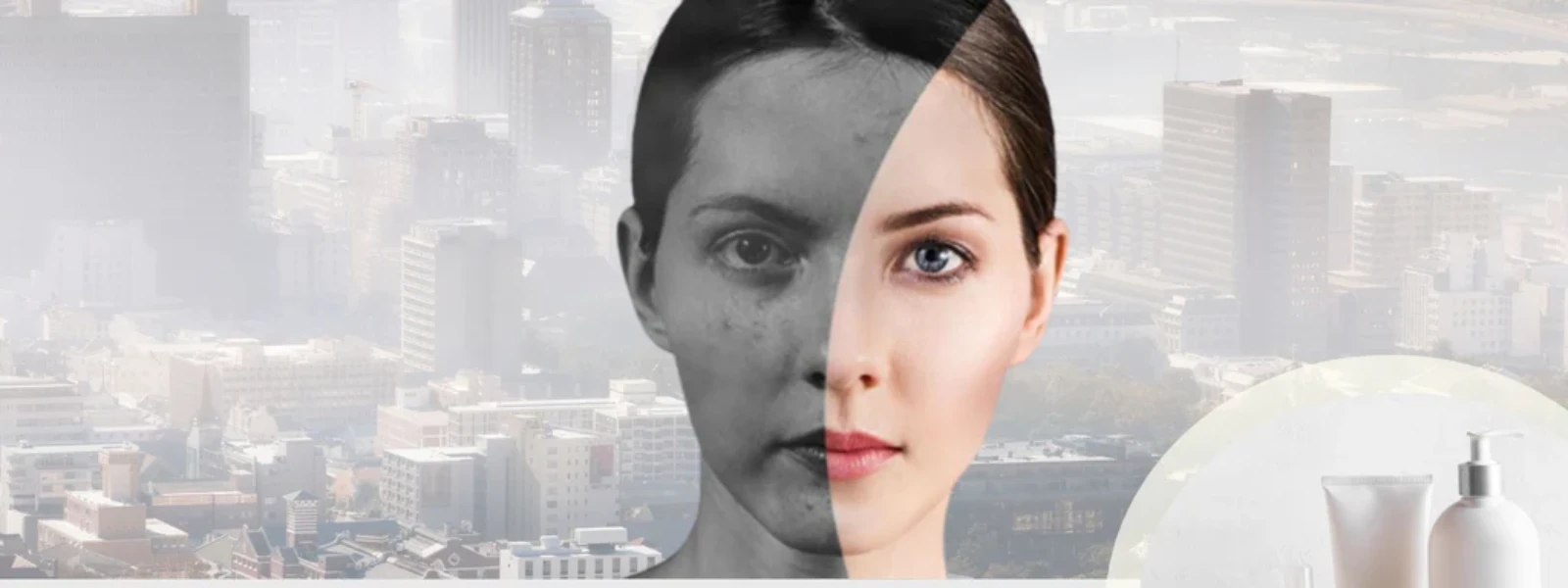
Living in urban India means dealing with thick smog that blankets our cities, especially during winter months. What many don't realize is that this murky air isn't just bad for our lungs—it's wreaking havoc on our skin too. The connection between how smog causes spots and the rise in pollution acne is becoming clearer as dermatologists see more patients with environmental skin damage. From Delhi's winter haze to Mumbai's year-round pollution, millions are experiencing breakouts, dark spots, and skin irritation directly linked to poor air quality. Understanding this connection is the first step toward protecting your skin from the invisible assault happening every time you step outside.
Smog is a toxic cocktail of smoke, fog, and various air pollutants that creates that familiar grey haze over our cities. It's primarily made up of ground-level ozone, particulate matter (PM2.5 and PM10), nitrogen oxides, and sulfur compounds. These microscopic particles are so tiny they can penetrate deep into your skin's layers, causing damage you might not notice immediately.
The relationship between air quality and skin health becomes evident when you consider that your face is constantly exposed to these pollutants. Unlike your body, which stays covered, your facial skin bears the brunt of environmental assault throughout the day.
Smog levels typically peak during early morning and evening rush hours when traffic emissions combine with stagnant air. Winter months see the worst pollution as temperature inversions trap pollutants close to the ground, creating perfect conditions for smog and skin breakouts.
Understanding exactly how smog causes spots requires looking at what happens when pollutants meet your skin. These tiny particles don't just sit on the surface—they actively penetrate your skin barrier and trigger a cascade of inflammatory responses. The process starts when particulate matter smaller than 2.5 micrometers (PM2.5) lands on your skin and begins to dissolve the protective lipid barrier.
Once inside, these pollutants generate free radicals that attack healthy skin cells. Your body responds by increasing oil production and triggering inflammation, which manifests as red, angry spots. The smog effect on skin is particularly pronounced because these particles also carry heavy metals and toxic chemicals that further irritate the skin.
Pollutants create oxidative stress by overwhelming your skin's natural antioxidant defenses. This leads to cellular damage and triggers the inflammatory pathways that cause acne formation.
Smog particles mix with your skin's natural oils and dead skin cells, creating stubborn blockages in your pores. These blockages are harder to remove than regular comedones because they contain environmental debris.
Pollution acne looks different from traditional hormonal acne and appears in distinct patterns. You'll typically see more breakouts on the forehead, cheeks, and chin—areas most exposed to environmental pollutants. These spots often appear as small, inflamed bumps that can be particularly stubborn to treat with conventional acne products.
Beyond acne, skin damage from air pollution includes premature aging, increased hyperpigmentation, and a dull, uneven complexion. The constant exposure to pollutants accelerates the breakdown of collagen and elastin, leading to fine lines and wrinkles appearing earlier than they naturally would.
Pollution-induced inflammation often leads to post-inflammatory hyperpigmentation, especially in Indian skin tones. These dark spots can persist long after the initial breakout has healed.
Dermatitis from air pollution manifests as increased skin sensitivity, redness, and irritation. Many people notice their skin becoming more reactive to products they previously used without issues.
While smog is a major culprit, other environmental factors causing acne include traffic emissions, industrial pollutants, and even indoor air quality issues. Diesel particulates from buses and trucks are particularly harmful, containing polycyclic aromatic hydrocarbons that deeply penetrate skin and cause inflammation.
Urban pollution skin problems are compounded by the heat island effect in cities, which increases sweating and oil production. This creates an ideal environment for bacteria to thrive, leading to more frequent breakouts.
Don't assume you're safe indoors. Poor ventilation, cooking fumes, and household chemicals can also contribute to skin problems, especially if you're already dealing with pollution-damaged skin.
Understanding how pollution affects complexion helps you identify when environmental factors are impacting your skin health. Early signs include increased oiliness, particularly in the T-zone, and a persistent dull appearance despite regular cleansing. Your skin might feel rough or gritty to the touch, indicating particle buildup.
The pattern of smog and skin breakouts often differs from hormonal acne. Pollution-induced spots typically appear more on the upper face and areas directly exposed to air, rather than the jawline and lower face where hormonal acne commonly occurs.
People living near busy roads or industrial areas often experience more severe skin impurities from smog. The concentration and type of pollutants vary significantly between different areas of the same city.
Protecting your skin from pollution requires a multi-layered approach that goes beyond basic cleansing. Start with a broad-spectrum sunscreen that contains antioxidants—this creates a physical barrier against both UV rays and environmental pollutants. Look for formulations with zinc oxide or titanium dioxide, which provide excellent protection against particulate matter.
Antioxidant-rich skincare ingredients like vitamin C, niacinamide, and green tea extract help neutralize free radicals before they can cause damage. These ingredients work best when applied in the morning before exposure to pollutants.
Create a morning routine that includes thorough cleansing, antioxidant serum application, and broad-spectrum sunscreen. This combination provides the best defense against environmental skin damage.
Check air quality indices before planning outdoor activities. Avoid morning jogs or extended outdoor time when pollution levels are highest, typically during rush hours and winter mornings.
Treating pollution-damaged skin requires gentle yet effective approaches that address both the immediate damage and long-term recovery. Double cleansing becomes essential—start with an oil-based cleanser to dissolve pollutant particles, followed by a gentle water-based cleanser to remove any remaining impurities without stripping your skin's natural barrier.
For existing spots and pigmentation, look for ingredients like kojic acid, vitamin C, and niacinamide that can help fade dark marks while providing ongoing protection. Recovery timelines vary, but with consistent care, most people see improvement in skin texture and clarity within 4-6 weeks.
Smog affects skin by penetrating the protective barrier and causing oxidative stress, inflammation, and premature aging. It can trigger acne breakouts, increase hyperpigmentation, and make skin more sensitive to other irritants.
Yes, pollution directly causes spots by clogging pores with particulate matter and triggering inflammatory responses. These pollution-induced spots often appear in different patterns than hormonal acne, typically affecting the upper face and exposed areas more severely.
Pollution acne typically appears on the forehead, cheeks, and nose—areas most exposed to environmental pollutants. It often presents as smaller, more inflamed bumps and may be accompanied by increased skin sensitivity and dullness.
Acute pollution exposure can cause immediate irritation and breakouts within 24-48 hours. Chronic damage from long-term exposure, including premature aging and persistent hyperpigmentation, typically becomes noticeable after several months of regular exposure.
Quality sunscreens with physical blockers like zinc oxide provide some protection against larger pollutant particles, but they're not specifically designed for pollution protection. Look for products that specifically mention anti-pollution benefits for better environmental protection.
The connection between smog and skin problems is undeniable, especially for those living in urban environments. Understanding how environmental pollutants affect your skin empowers you to take proactive steps in protection and treatment. Remember that consistency in your protective routine is key—daily use of antioxidants, proper cleansing, and broad-spectrum sun protection can significantly reduce pollution-induced skin damage. While we can't completely avoid environmental pollutants, we can certainly minimize their impact on our skin health through informed choices and targeted skincare approaches.
