


How Pollution Causes Spots: Understanding Skin Damage
Your Cart
0You May Also Like
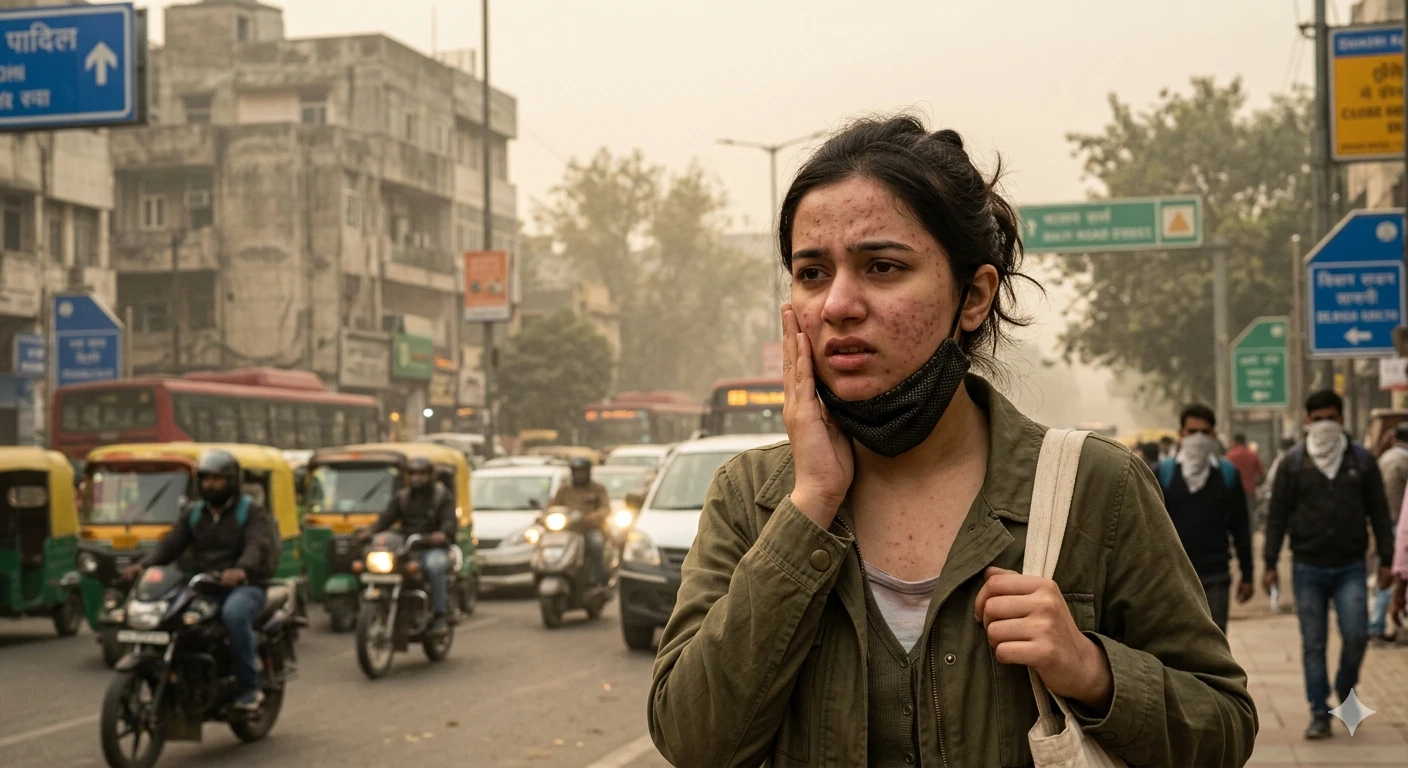
Living in India's bustling cities means your skin faces a daily battle against pollution. From the smoggy streets of Delhi to the industrial haze of Mumbai, environmental pollutants don't just affect your lungs—they're silently damaging your skin too. If you've noticed new dark spots appearing or your complexion looking dull and uneven, pollution might be the culprit. Understanding how pollution causes spots is the first step toward protecting your skin and maintaining that healthy glow you deserve.
When pollutants hit your skin, they trigger a complex chain reaction that leads to those stubborn dark spots. Think of it like a tiny war happening on your face every day. Free radicals pollution skin damage occurs when harmful particles penetrate your skin's protective barrier and create chaos at the cellular level.
Pollutants create unstable molecules called free radicals that steal electrons from healthy skin cells. This process, known as oxidative stress skin pollution, damages the melanocytes—the cells responsible for producing pigment. When these cells get stressed, they go into overdrive, producing excess melanin that shows up as dark spots on your skin.
Your skin's natural defense system kicks in when it detects pollution, releasing inflammatory chemicals like cytokines. This inflammation weakens your skin barrier and triggers more pigment production. It's like your skin is trying to protect itself but ends up creating the very spots you want to avoid.
Not all pollution is created equal when it comes to skin pollution damage. Different types of pollutants attack your skin in various ways, and understanding these can help you better protect yourself.
Those tiny particles floating in the air—PM2.5 and PM10—are small enough to penetrate deep into your pores. How dirt affects skin tone becomes clear when you realize these particles carry toxic chemicals that trigger inflammation and pigmentation. In cities like Bengaluru and Pune, construction dust adds another layer of skin-damaging particles.
The exhaust from cars, buses, and auto-rickshaws contains nitrogen dioxide and volatile organic compounds that directly damage skin cells. Heavy metals from industrial pollution can accumulate in your skin over time, leading to persistent dark spots that are harder to treat.
Ground-level ozone combined with UV rays creates a double threat. This combination accelerates the formation of free radicals and makes your skin more susceptible to environmental factors skin darkening. During summer months in Indian cities, this combination becomes particularly damaging.
Recognizing the different types of pollution induced hyperpigmentation helps you choose the right treatment approach. Each type has distinct characteristics and responds differently to various treatments.
Unlike hormonal melasma, pollution-induced dark patches often appear on areas most exposed to environmental toxins—your forehead, cheeks, and around your nose. These patches tend to be irregular in shape and can vary in intensity depending on your pollution exposure.
Pollution doesn't just cause spots—it also clogs your pores with dirt and toxins. This leads to increased blackheads and acne, which can leave behind dark marks when they heal. The combination of clogged pores and inflammation creates a perfect storm for post-inflammatory hyperpigmentation.
Chronic exposure to air pollution skin issues accelerates aging and causes age spots to appear earlier than they naturally would. Your skin's collagen breaks down faster, and pigmentation becomes more uneven over time.
Some people are more susceptible to urban pollution skin effects than others. Understanding your risk factors can help you take appropriate preventive measures.
If you live in high-pollution areas or work outdoors, your risk increases significantly. Daily commuters who spend hours in traffic are particularly vulnerable to exhaust-related skin damage. Construction workers and street vendors face even higher exposure levels.
People with sensitive skin or compromised skin barriers are more prone to pollution damage. Those with a genetic tendency toward hyperpigmentation may develop skin dark spots from smog more quickly and severely than others.
The good news is that you can take steps to protect skin from environmental pollutants. Prevention is always easier than treatment, so building protective habits into your daily routine is crucial.
Start with a gentle cleanser that removes pollution without stripping your skin. Follow with antioxidant serums containing vitamin C or niacinamide to neutralize free radicals. Always finish with a broad-spectrum sunscreen—pollution and UV rays together cause more damage than either alone.
When possible, avoid peak pollution hours for outdoor activities. Use air purifiers indoors and consider wearing a scarf or mask during high-pollution days. These small changes can significantly reduce your daily pollution exposure.
If you already have spots from pollution exposure, don't worry—there are effective treatment options available. The key is choosing the right approach for your specific type of pigmentation.
Dermatologists can offer chemical peels, laser treatments, or prescription-strength topicals for stubborn spots. These treatments work faster but require professional supervision and can be more expensive.
Consistent use of proven ingredients like kojic acid, arbutin, and vitamin C can gradually fade pollution-induced spots. Look for products specifically formulated for Indian skin tones, as they're designed to address the unique pigmentation challenges we face.
Yes, pollution can definitely cause spots on your skin. Environmental pollutants trigger inflammation and oxidative stress, leading to excess melanin production and dark spot formation.
Pollution damage can start within hours of exposure, but visible spots typically develop over weeks to months of consistent exposure. Daily pollution exposure accelerates this process significantly.
No, pollution-induced spots are not permanent. With proper treatment and protection from further pollution exposure, these spots can fade over time, though it may take several months of consistent care.
Pollution acne tends to appear in areas most exposed to environmental toxins and often includes blackheads from clogged pores. It's typically accompanied by dullness and may be more inflammatory than regular acne.
Focus on thorough cleansing to remove pollutants, use antioxidant serums to combat free radical damage, and incorporate gentle exfoliation to unclog pores. Consistent protection with sunscreen is also crucial.
Absolutely. Dirty air contains particles and chemicals that clog pores, increase inflammation, and disrupt your skin's natural barrier function, all of which can worsen acne and lead to more breakouts.
Understanding how pollution causes spots empowers you to take control of your skin health. While we can't completely avoid pollution in urban India, we can minimize its impact through smart skincare choices and protective habits. Remember, consistency is key—both in protecting your skin from further damage and in treating existing spots. Your skin has an amazing ability to heal and regenerate when given the right support and protection.
