


How Indian Skin Gets Pigmentation: Causes & Solutions
Your Cart
0You May Also Like
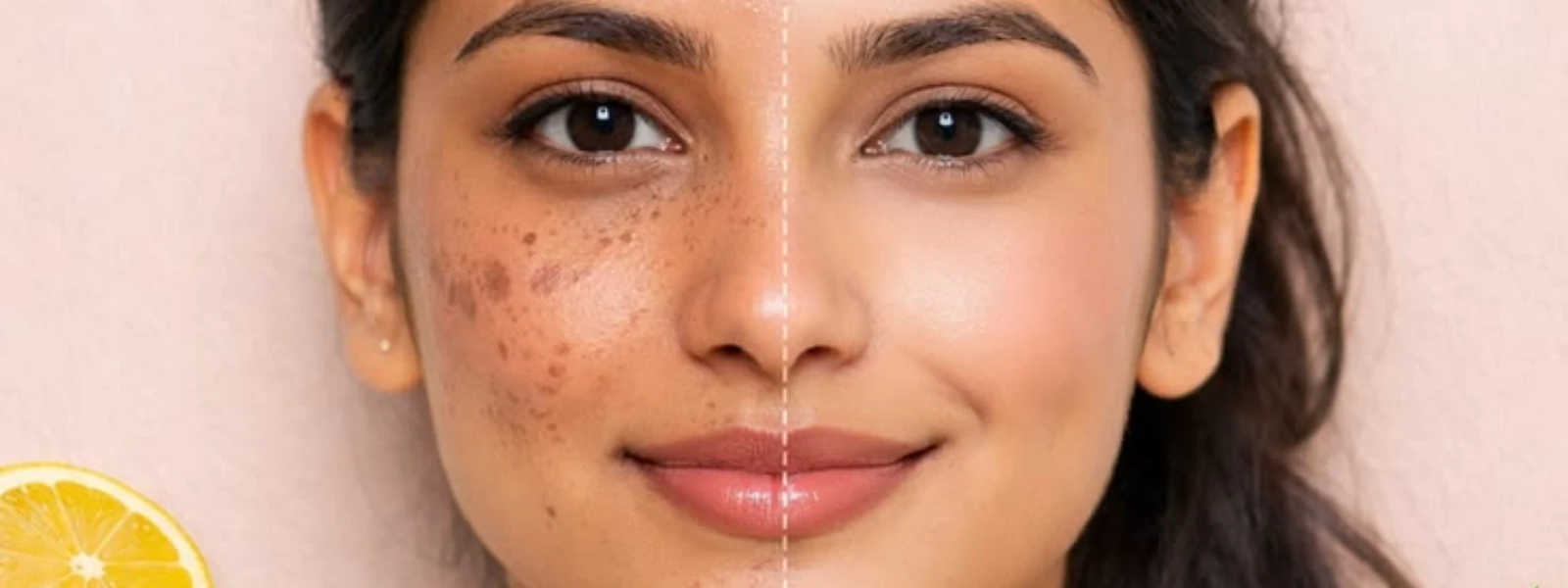
Indian skin has a unique relationship with pigmentation that goes beyond simple genetics. With higher melanocyte activity and increased sensitivity to environmental triggers, understanding how Indian skin gets pigmentation is crucial for anyone dealing with dark spots, uneven tone, or stubborn discoloration. The combination of tropical climate, genetic predisposition, and lifestyle factors creates a perfect storm for Indian skin hyperpigmentation. Whether you're battling post-acne marks, melasma, or sun-induced dark patches, knowing the science behind pigmentation formation helps you choose the right treatments and prevention strategies for lasting results.
Indian skin contains significantly more active melanocytes compared to lighter skin tones, making it naturally more reactive to pigmentation triggers. These specialized cells produce melanin at a faster rate when exposed to stimuli like UV radiation, inflammation, or hormonal changes. This heightened sensitivity explains why pigmentation causes Indian skin to develop dark spots more quickly and intensely than other skin types.
The density and activity of melanocytes in Indian skin create both protection and challenges. While increased melanin Indian skin production offers natural sun protection, it also means any trigger can lead to overproduction and uneven distribution of pigment.
Fitzpatrick skin types IV-VI, common in Indian populations, show increased susceptibility to post-inflammatory hyperpigmentation. This genetic makeup means that even minor skin trauma can result in lasting skin discoloration Indian individuals often struggle with.
Understanding what causes pigmentation helps prevent future dark spots while treating existing ones. Indian skin faces unique environmental and lifestyle challenges that accelerate melanin production and create persistent dark spots Indian skin concerns.
India's intense UV radiation, combined with high humidity and pollution levels, creates constant stress on skin cells. The tropical climate means year-round sun exposure, leading to cumulative damage that manifests as uneven skin tone Indian individuals commonly experience.
High UV index throughout most of the year
Heat-induced inflammation triggering melanin production
Pollution particles causing oxidative stress
Humidity affecting skin barrier function
Hormonal fluctuations significantly impact pigmentation in Indian women. Pregnancy, PCOS, and thyroid disorders can trigger melasma and other forms of hormonal pigmentation that create stubborn Indian skin dark patches.
Indian skin's tendency toward intense inflammatory responses means that acne, cuts, or even aggressive skincare treatments can leave lasting marks. This post-inflammatory hyperpigmentation often persists longer than the original skin concern.
Different types of pigmentation require different approaches for effective treatment. Recognizing these patterns helps determine the most appropriate skin pigmentation remedies for your specific concerns.
Melasma appears as symmetrical brown patches, typically on the face, and affects up to 40% of Indian women during pregnancy. This condition requires gentle, consistent treatment approaches that won't irritate already sensitive skin.
Post-inflammatory hyperpigmentation from acne creates some of the most persistent dark spots on Indian skin. These marks can take months to fade without proper treatment, often outlasting the original breakout by several months.
Solar lentigines and age spots develop from cumulative sun damage, appearing as discrete brown spots on exposed areas. Indian skin often shows these changes earlier than lighter skin tones due to increased melanin reactivity.
Successful hyperpigmentation treatment Indian skin requires understanding which ingredients work safely on darker skin tones. Many traditional treatments can cause irritation or paradoxical darkening if not used correctly.
Several ingredients have shown excellent results for treating pigmentation in Indian skin when used consistently and correctly.
Kojic acid: Gentle tyrosinase inhibitor that prevents new melanin formation
Azelaic acid: Anti-inflammatory properties reduce post-acne pigmentation
Niacinamide: Regulates melanin transfer and reduces inflammation
Vitamin C: Antioxidant protection and melanin inhibition
Retinoids: Accelerate cell turnover and fade existing pigmentation
Salicylic acid and glycolic acid help remove pigmented skin cells while preventing new dark spots from forming. Starting with lower concentrations prevents irritation that could worsen pigmentation.
Dermatological procedures like chemical peels and laser treatments can accelerate results when performed by experienced practitioners familiar with treating darker skin tones safely.
Preventing new pigmentation is often easier than treating existing dark spots. Effective hyperpigmentation prevention focuses on protecting skin from triggers while maintaining a healthy barrier function.
Daily broad-spectrum SPF 30 or higher is non-negotiable for preventing pigmentation. Physical sunscreens with zinc oxide work well on Indian skin without leaving white residue when properly formulated.
Avoiding harsh scrubbing, over-exfoliation, and aggressive treatments prevents the inflammation that triggers new pigmentation. Consistent, gentle care produces better long-term results than aggressive approaches.
Managing stress, getting adequate sleep, and maintaining hormonal balance through diet and exercise all contribute to healthier skin that's less prone to pigmentation issues.
Creating a comprehensive routine that addresses both treatment and prevention ensures the best outcomes for managing pigmentation in Indian skin. Consistency matters more than using the most expensive products.
Start with a gentle cleanser, apply vitamin C serum for antioxidant protection, follow with moisturizer, and finish with broad-spectrum sunscreen. This routine prevents new pigmentation while supporting skin health.
Evening routines focus on treatment and repair. After cleansing, apply treatment serums containing kojic acid or retinoids, followed by a nourishing moisturizer to support skin barrier function overnight.
Gentle chemical exfoliation once or twice weekly helps accelerate cell turnover and pigmentation fading. Always follow with extra sun protection the next day to prevent sensitivity reactions.
Indian skin has higher melanocyte density and activity levels, making it more reactive to triggers like sun exposure, hormones, and inflammation. This genetic predisposition, combined with environmental factors, leads to faster and more intense pigmentation responses compared to lighter skin tones.
Most people see initial improvements in 4-6 weeks with consistent treatment, but significant fading typically takes 8-12 weeks. Complete resolution of stubborn pigmentation may require 6-12 months of consistent care, especially for deeper or hormonal pigmentation.
Yes, but introduce new ingredients gradually to avoid irritation. Start with one active ingredient for 2-4 weeks, then slowly add others. Always use sunscreen when using pigmentation treatments, as many ingredients increase photosensitivity.
Limit photosensitizing foods like citrus when applied topically, reduce high-glycemic processed foods that increase inflammation, and moderate dairy intake if you notice it worsens your skin. Focus on antioxidant-rich foods like berries, leafy greens, and omega-3 fatty acids instead.
Hydroquinone can be effective but requires careful use on darker skin tones. Start with lower concentrations (2%) and use only as directed by a dermatologist. Long-term use can cause paradoxical darkening, so many prefer safer alternatives like kojic acid or azelaic acid.
Understanding how Indian skin develops pigmentation empowers you to make informed treatment choices and prevent future dark spots. The combination of genetic predisposition, environmental factors, and lifestyle influences creates unique challenges that require tailored approaches. Success comes from consistent use of proven ingredients, diligent sun protection, and patience with the treatment process. Remember that preventing new pigmentation is often easier than treating existing dark spots, making daily sun protection and gentle skincare practices essential for long-term skin health. With the right knowledge and consistent care, achieving an even, radiant complexion is absolutely achievable for Indian skin.
