


How Alpha Arbutin Works for Skin Brightening and Hyperpigmentation
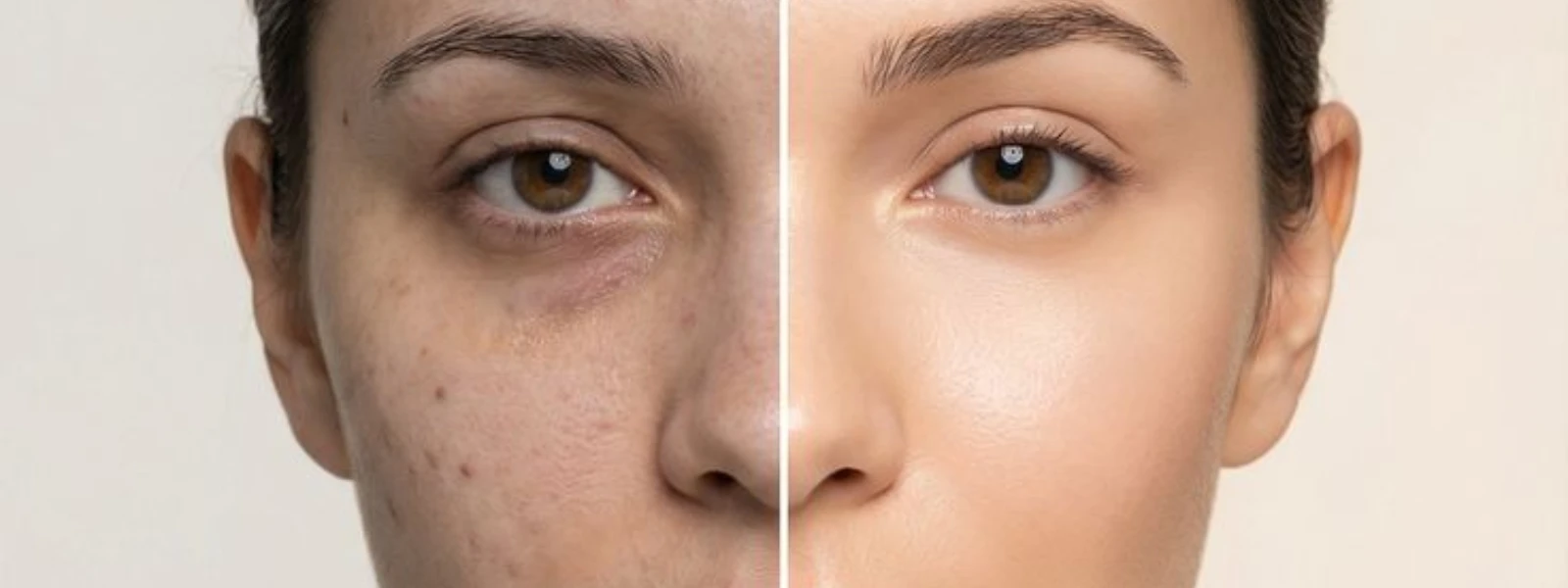
Dark spots, uneven skin tone, and stubborn hyperpigmentation can feel like unwelcome guests that just won't leave. If you've been searching for a gentle yet effective solution, you've probably come across alpha arbutin. This naturally-derived ingredient has gained serious attention in the skincare world for its ability to brighten skin without the harsh side effects of stronger alternatives. But how exactly does alpha arbutin work its magic on your skin? Understanding the science behind this powerful ingredient can help you make informed decisions about your skincare routine and set realistic expectations for your journey toward clearer, more radiant skin.
Alpha arbutin is a natural skin lightener derived from the bearberry plant, though it can also be synthetically produced for skincare products. Think of it as nature's gentle approach to tackling hyperpigmentation. Unlike harsher chemical alternatives, alpha arbutin works by targeting the root cause of dark spots rather than simply bleaching the skin surface.
The magic happens at the cellular level, where alpha arbutin interferes with melanin production. This makes it an excellent choice for those dealing with various forms of hyperpigmentation treatment needs, from sun damage to post-acne marks.
Here's where the science gets fascinating. How alpha arbutin works centers around its ability to block an enzyme called tyrosinase. This enzyme is like the conductor of an orchestra, directing the production of melanin in your skin cells. When tyrosinase gets overactive, you end up with dark spots and uneven pigmentation.
Alpha arbutin steps in as a gentle inhibitor, essentially telling tyrosinase to slow down its melanin-producing activities. This process helps prevent new dark spots from forming while gradually lightening existing ones.
Not all arbutin is created equal. Alpha arbutin is the more stable and bioavailable form, meaning your skin can actually use it effectively. Beta arbutin, while cheaper, tends to break down more easily and delivers less consistent results.
This stability makes alpha arbutin the preferred choice for skin brightening products, as it maintains its potency longer and provides more predictable outcomes.
Let's set the record straight about what alpha arbutin can realistically achieve. While it's incredibly effective for certain skin concerns, it's not a miracle cure-all. Understanding these alpha arbutin benefits helps you set appropriate expectations for your skincare journey.
The most significant advantage of alpha arbutin is its gentleness combined with effectiveness. Unlike some harsh alternatives, it works well for all skin types, including sensitive skin that might react poorly to stronger treatments.
Clinical studies show that alpha arbutin excels at addressing surface-level pigmentation issues. It's particularly effective for post-inflammatory hyperpigmentation from acne, sun spots, and age spots.
For those dealing with melasma, alpha arbutin for melasma treatment shows promising results when used consistently over several months, though it typically works best as part of a comprehensive treatment plan.
Alpha arbutin won't dramatically change your natural skin tone or work overnight. Deep, embedded pigmentation may require stronger treatments or professional intervention.
Most people see noticeable improvements within 4-12 weeks of consistent use, but patience is key. The gentle nature that makes it suitable for daily use also means results develop gradually.
The debate between arbutin vs hydroquinone often comes down to balancing effectiveness with safety. While hydroquinone is undeniably powerful, it comes with significant restrictions and potential side effects that make alpha arbutin an attractive alternative for many people.
Hydroquinone is banned in many countries due to safety concerns, while alpha arbutin maintains an excellent safety profile with minimal restrictions on long-term use.
As a natural skin lightener, alpha arbutin doesn't carry the same risks of skin thinning, irritation, or rebound hyperpigmentation that can occur with hydroquinone. This makes it suitable for long-term use without the need for "breaks" in treatment.
The gentler approach means you can incorporate it into your daily routine without worrying about photosensitivity or other complications that come with harsher alternatives.
While hydroquinone may work faster, alpha arbutin provides steady, sustainable results. Studies show that 2% alpha arbutin can be as effective as 2% hydroquinone for certain types of hyperpigmentation, just with a gentler timeline.
The key difference lies in the approach: hydroquinone works more aggressively but with higher risk, while alpha arbutin takes a steady, sustainable path to clearer skin.
Knowing how to use alpha arbutin properly can make the difference between seeing great results and feeling disappointed. The good news is that it's relatively straightforward to incorporate into your existing routine.
Most people find success using alpha arbutin products twice daily, though starting with once daily can help your skin adjust if you have particularly sensitive skin.
Apply your arbutin serum after cleansing but before heavier creams or oils. A few drops are usually sufficient to cover your entire face, and remember that consistency matters more than quantity.
Always follow up with sunscreen during the day, as protecting your skin from further UV damage is crucial for preventing new dark spots from forming.
Alpha arbutin plays well with most other skincare ingredients. It pairs beautifully with vitamin C for enhanced brightening effects and works alongside niacinamide for comprehensive skin improvement.
Avoid mixing it with strong acids or retinoids in the same application to prevent potential irritation, though you can use these ingredients at different times of day.
While alpha arbutin is generally well-tolerated, understanding potential alpha arbutin side effects helps you use it safely and effectively. The most common issues are usually related to improper use rather than the ingredient itself.
Most people experience no side effects when using alpha arbutin as directed, making it one of the gentler options in the hyperpigmentation treatment arsenal.
Some users report initial mild irritation or, paradoxically, temporary darkening of spots. This darkening usually occurs when the product is used incorrectly or when sun protection is inadequate.
Always patch test new products and introduce alpha arbutin gradually into your routine to minimize any potential reactions.
Pregnant and breastfeeding individuals should consult healthcare providers before using any new skincare ingredients, including alpha arbutin. While generally considered safe, it's always best to err on the side of caution during these sensitive periods.
Those with known allergies to bearberry or related plants should also exercise caution and consider professional patch testing before use.
Most people notice initial improvements within 4-6 weeks of consistent daily use. Significant results typically become visible after 8-12 weeks, though individual results vary based on skin type and the severity of hyperpigmentation.
Yes, alpha arbutin is gentle enough for daily use, both morning and evening. Start with once daily if you have sensitive skin, then gradually increase to twice daily as your skin adjusts.
Temporary darkening can occur if you're not using adequate sun protection or if you're using the product incorrectly. Always apply sunscreen daily and ensure you're following proper application guidelines.
Alpha arbutin helps fade existing dark spots and prevent new ones from forming, but it doesn't permanently alter your natural skin tone. Continued use is typically needed to maintain results.
Alpha arbutin offers a gentle yet effective approach to addressing hyperpigmentation and achieving brighter, more even-toned skin. Its ability to inhibit tyrosinase makes it a scientifically-backed choice for those seeking a natural skin lightener without the harsh side effects of stronger alternatives. While results take time and patience, the safety profile and versatility of alpha arbutin make it an excellent addition to most skincare routines. Remember that consistency is key, sun protection is non-negotiable, and realistic expectations will help you appreciate the gradual but meaningful improvements this gentle ingredient can provide for your skin.
