


Holistic Melasma Care FAQ: Your Questions Answered
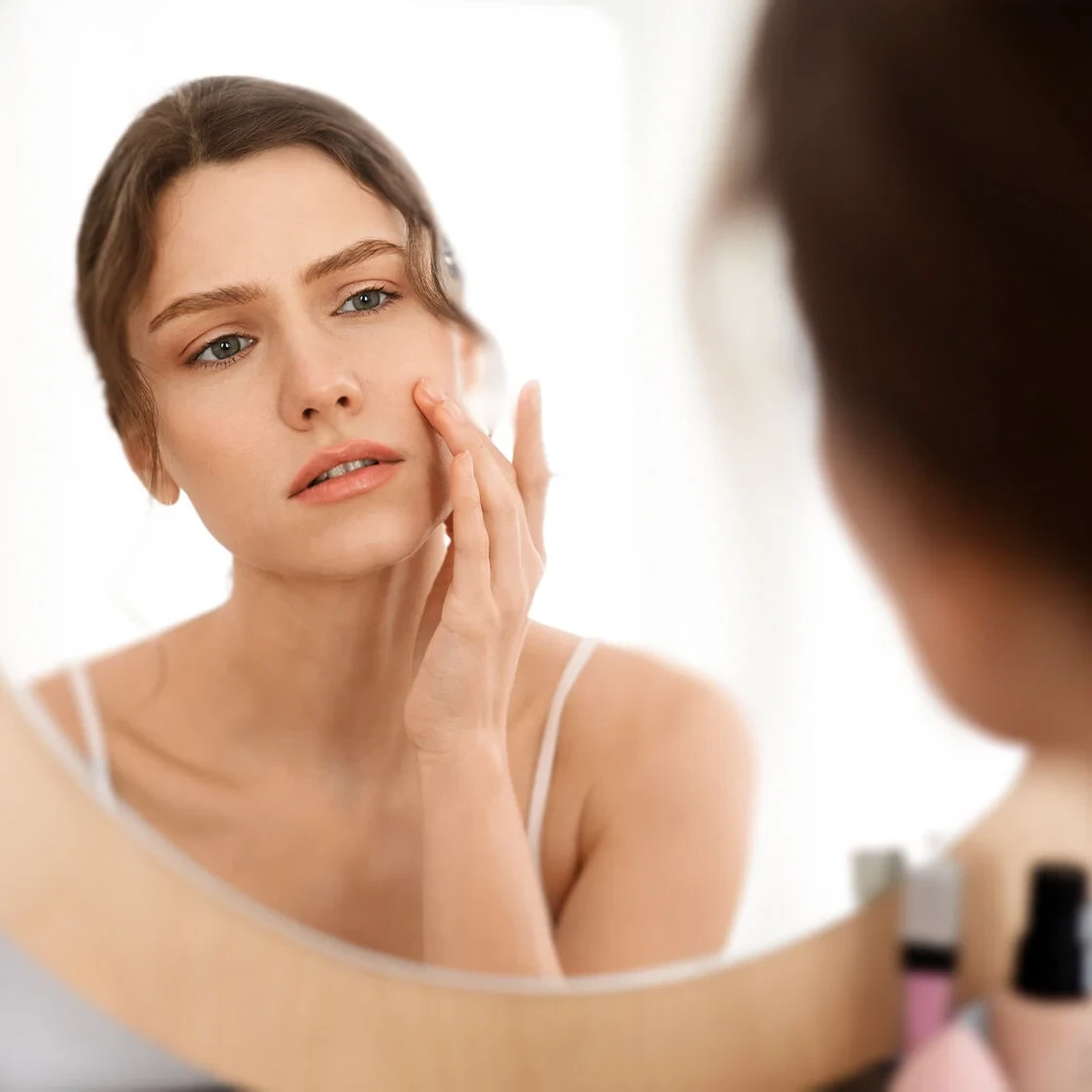
Melasma affects millions of people worldwide, creating brown or gray patches that can significantly impact confidence and self-esteem. While conventional treatments often focus on harsh chemicals or expensive procedures, many are discovering the power of holistic melasma care that works with your body's natural healing processes. This comprehensive approach addresses not just the visible symptoms but the underlying causes, offering hope for those seeking gentle yet effective solutions. Understanding how to combine natural remedies, lifestyle changes, and targeted skincare can transform your journey toward clearer, more even-toned skin.
Melasma is more than just surface-level skin discoloration. It's a complex condition that develops when melanocytes, the cells responsible for skin pigmentation, become overactive. This overproduction of melanin creates the characteristic patches that typically appear on the face, particularly the cheeks, forehead, nose, and upper lip.
The condition often develops gradually, making it challenging to pinpoint exactly when it started. Understanding what triggers melasma development is crucial for effective treatment and prevention.
Hormonal fluctuations stand as the leading cause of melasma, which explains why it's often called "the mask of pregnancy." Estrogen and progesterone changes during pregnancy, birth control use, or hormone replacement therapy can trigger melanocyte activity. Sun exposure acts as a catalyst, intensifying existing melasma or triggering new patches in susceptible individuals.
Research suggests that certain nutritional deficiencies may contribute to melasma development. Vitamin D deficiency has been linked to increased pigmentation disorders, while inadequate B-vitamin complex, particularly folate, may worsen existing melasma. Antioxidant deficiencies leave skin vulnerable to oxidative stress, potentially triggering melanocyte overactivity.
Natural melasma solutions offer a gentler approach that works harmoniously with your skin's natural processes. These methods focus on reducing inflammation, inhibiting excess melanin production, and supporting overall skin health without the harsh side effects often associated with conventional treatments.
The key to successful natural treatment lies in consistency and patience. Unlike quick-fix solutions, natural approaches require time to show results but often provide more sustainable improvements.
Aloe vera gel contains compounds that help reduce inflammation and may inhibit tyrosinase, the enzyme responsible for melanin production. Apply fresh aloe vera gel twice daily to affected areas for best results. Licorice extract, containing glabridin, has shown promising results in clinical studies for reducing hyperpigmentation. Look for products with at least 2% licorice extract concentration.
Vitamin C serums provide dual benefits: they inhibit melanin production while protecting against further sun damage. Choose stable forms like magnesium ascorbyl phosphate or sodium ascorbyl phosphate for sensitive skin. Turmeric masks, containing curcumin, offer anti-inflammatory benefits that may help reduce melasma intensity when used consistently.
True holistic melasma care recognizes that skin health reflects internal wellness. Addressing nutritional deficiencies, supporting liver function, and reducing inflammation from within can significantly impact melasma appearance and prevent future development.
Internal healing takes time but often provides the most lasting results. This approach focuses on creating an environment where healthy skin cell turnover can occur naturally.
Vitamin C supplementation, typically 500-1000mg daily, supports collagen production and acts as a powerful antioxidant. Vitamin E works synergistically with vitamin C, enhancing its effectiveness. Glutathione, often called the master antioxidant, may help lighten existing pigmentation when taken consistently over several months.
Chronic stress elevates cortisol levels, which can worsen melasma. Regular meditation, yoga, or deep breathing exercises help manage stress hormones. Quality sleep allows for optimal cellular repair, while regular exercise improves circulation and supports detoxification processes that benefit skin health.
A well-structured melasma skincare routine forms the foundation of successful treatment. This routine should focus on gentle cleansing, targeted treatment, and rigorous protection while avoiding ingredients that might irritate or worsen pigmentation.
Consistency is more important than complexity when it comes to melasma care. A simple, well-executed routine often outperforms complicated regimens that are difficult to maintain.
Start with a gentle, pH-balanced cleanser that won't strip your skin's natural barrier. Follow with a vitamin C serum, allowing it to absorb completely before applying broad-spectrum SPF 30 or higher sunscreen. Reapply sunscreen every two hours, especially if spending time outdoors.
Evening routines focus on repair and treatment. Use a gentle exfoliant 2-3 times weekly to promote cell turnover without causing irritation. Apply treatment serums containing natural brightening ingredients like kojic acid or alpha arbutin. Finish with a nourishing moisturizer to support barrier function overnight.
Melasma prevention requires a comprehensive approach that addresses both external triggers and internal factors. Once you've achieved improvement, maintaining results requires ongoing commitment to protective measures and healthy lifestyle choices.
Prevention is often easier than treatment, making it crucial to understand and avoid known triggers while supporting overall skin health through proper nutrition and care.
Year-round sun protection is non-negotiable for melasma prevention. Choose broad-spectrum sunscreens with zinc oxide or titanium dioxide for sensitive skin. Wear wide-brimmed hats and seek shade during peak sun hours. Consider UV-protective clothing for extended outdoor activities.
Work with healthcare providers to manage hormonal fluctuations that may trigger melasma. Consider natural approaches to hormone balance, including stress reduction, adequate sleep, and nutritional support. Discuss alternatives if hormonal medications seem to worsen your condition.
The fastest natural approach combines topical vitamin C serums, consistent sun protection, and internal antioxidant support. Most people see initial improvements within 6-8 weeks, with significant results after 3-6 months of consistent treatment. Patience is essential, as natural methods work gradually but provide lasting results.
While natural methods can significantly fade melasma, "permanent" removal depends on avoiding triggers and maintaining protective measures. Many people achieve excellent results that last years with proper prevention strategies. However, hormonal changes or sun exposure can potentially trigger recurrence.
Vitamin C, licorice extract, kojic acid, and alpha arbutin show the strongest evidence for melasma treatment. Aloe vera and turmeric provide additional anti-inflammatory benefits. The most effective approach often combines multiple ingredients rather than relying on a single remedy.
Give natural treatments at least 12 weeks before evaluating effectiveness. Some people notice improvements within 4-6 weeks, while others may need 4-6 months for significant changes. Consistency is more important than speed when using natural approaches for melasma.
Many natural remedies can safely complement medical treatments, but always consult with a dermatologist first. Some combinations may enhance results, while others might cause irritation. Professional guidance ensures safe and effective treatment combinations.
Stress management, adequate sleep, regular exercise, and a nutrient-rich diet all support skin health and may improve melasma. Avoiding known triggers like excessive sun exposure and managing hormonal fluctuations are equally important for long-term success.
Holistic melasma care offers a comprehensive approach that addresses both symptoms and underlying causes. Success requires patience, consistency, and a willingness to make lifestyle changes that support overall skin health. While natural methods may take longer to show results than conventional treatments, they often provide more sustainable improvements with fewer side effects.
Remember that melasma is a manageable condition, and with the right combination of natural treatments, protective measures, and healthy lifestyle choices, you can achieve significant improvement in your skin's appearance and overall confidence.
