


Fade Dark Inner Thighs: What Actually Works for Melanin-Rich Skin
Your Cart
0You May Also Like

₹424 ₹499

₹509 ₹599

₹594 ₹699

₹424 ₹499

₹466 ₹549
Dark inner thighs are common, especially on melanin-rich skin. They can happen from rubbing, sweat, irritation, hormones, or marks left after inflammation. It is frustrating when generic tips do not help, or when they sting and make the patch look darker. If you are asking how to remove black inner thighs, start by finding the cause. Then use gentle pigmentation treatment and reduce the trigger. Asaya formulates for Indian, pigmentation-prone skin, where irritation can easily lead to more uneven tone.
Friction-related dark inner thighs need barrier care plus gentle pigmentation treatments.
Kojic acid, niacinamide, alpha-arbutin, and mild acids can help fade dark spots.
A sudden, thick, velvety dark patch needs medical advice, not stronger home remedies.
Inner thigh darkness is not one single issue. The right hyperpigmentation treatment depends on what caused the extra melanin. Melanin-rich skin may also form stronger dark marks after rubbing or irritation.
Chafing from walking, tight clothes, sweat, or shaving can irritate skin. The skin then makes more melanin as it heals. Hormonal shifts and insulin-related concerns can also cause darker, thicker patches. Acanthosis nigricans may appear velvety and needs medical review.
Post-inflammatory hyperpigmentation can follow even mild irritation on deeper skin tones. Most skincare for Indian skin needs to account for this stronger post-inflammatory response, which is why harsh scrubs and strong DIY fixes often backfire. The goal is calm skin first, then steady pigmentation treatment.
Choose a simple formula made for body pigmentation. Patch test first, especially on delicate skin. Do not apply acids on broken, freshly shaved, or burning skin.
Tyrosinase is involved in melanin production. A tyrosinase inhibitor can help limit excess pigment formation. Kojic acid, alpha-arbutin, and niacinamide are useful options for uneven skin tone when used consistently and gently.
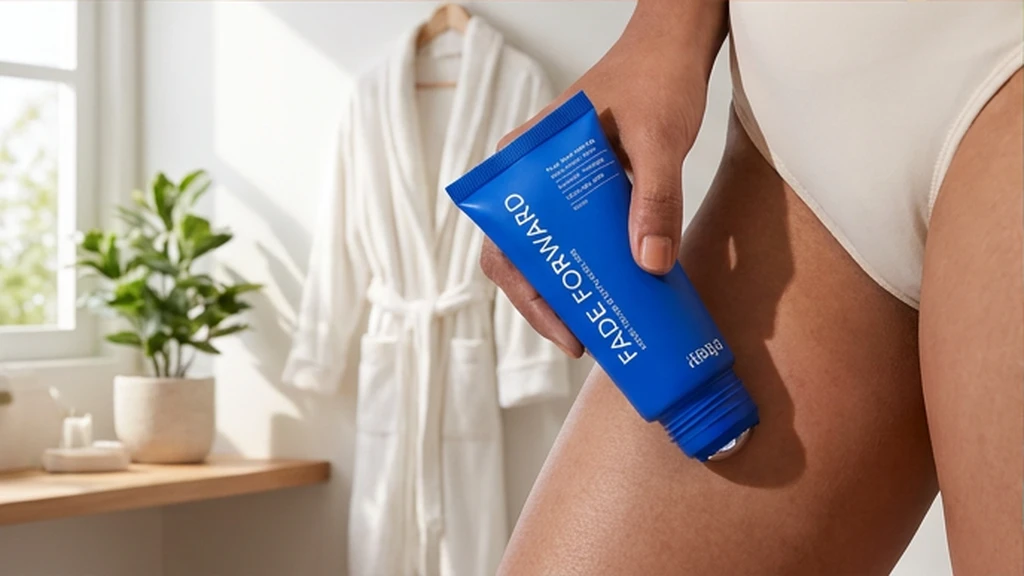
Lactic acid and other AHAs help lift built-up dead skin cells. This can support a more even-looking tone. Asaya Fade Forward Inner Thigh & Bum Roll-On combines an AHA and PHA blend with MelaMe™ Complex, plus Inulin — a prebiotic skin-soother — making it gentle enough for this friction-prone and delicate area.
Skip lemon juice and baking soda. Both can irritate skin and worsen post-inflammatory marks. Do not scrub dark patches hard. Pain, peeling, or itching means the routine is too strong.
A cream for dark inner thighs should match the area and your trigger. For friction marks, look for a gentle leave-on body treatment with a lightweight, non-occlusive texture that absorbs without pilling under clothing. A leave-on format works better than a rinse-off product here because it stays in contact with skin long enough for actives to work. When reading ingredient labels, prioritise products that list a tyrosinase inhibitor — such as kojic acid, alpha-arbutin, or niacinamide — within the first half of the ingredient list, as this indicates a meaningful concentration. For rough, dark areas on knees, neck, and elbows, Asaya Tone Restore Knee-Neck-Elbow Cream pairs kojic acid, AHAs, urea, and MelaMe™ Complex for targeted pigmentation treatment across multiple friction zones.
Prescription treatment may suit stubborn or medically linked pigmentation. Do not use a medical cream without guidance. More strength is not always more helpful for sensitive skin. If you are unsure which format suits your skin, start with the gentlest leave-on option and assess tolerance over two weeks before introducing additional actives.
Keep the routine boring and consistent. Dark spots take time to form, so they take time to fade — most people see a visible difference in about two weeks with consistent use. Start with one active product rather than layering several acids.
Cleanse gently and pat the area dry.
Apply your pigmentation treatment as directed.
Use a plain moisturizer or barrier layer if rubbing is common.
Use sun protection when the area will be exposed.
SPF matters because sun exposure can deepen uneven skin tone. For a targeted approach to both the inner thigh and surrounding friction zones, the Asaya Fade Forward Inner Thigh & Bum Roll-On paired with Asaya Tone Restore Knee-Neck-Elbow Cream covers the full range of friction-related pigmentation concerns in one simple routine.
Reducing repeat friction gives your routine a fair chance. Choose breathable fabrics like cotton or moisture-wicking materials that sit smoothly against the skin without bunching or rubbing. Avoid tight synthetic fabrics during workouts, as these increase heat and friction in the inner thigh area. Change out of sweaty clothing as soon as possible after exercise, since prolonged moisture contact can worsen irritation and trigger more pigmentation.
Apply a barrier moisturizer or anti-chafe balm to the inner thighs before walks, runs, or any activity that involves repetitive leg movement. The best time to apply it is right after moisturising, so the barrier layer sits on top and reduces direct skin-on-skin contact. Weight changes can increase friction for some people, but dark inner thighs are never a reason for shame. Focus on comfort and skin protection. If the trigger continues, marks can return even with a consistent pigmentation treatment routine, so addressing the cause is just as important as treating the result.
Seek medical advice if darkening appears suddenly, spreads fast, feels thick or velvety, or comes with other health changes. These signs can point to acanthosis nigricans or another issue beyond surface pigmentation.
Also get help if OTC care causes burning or no change after consistent gentle use. A clinician can assess the cause and discuss prescription-strength options safely.
It can reduce friction by forming a barrier, which may help prevent new irritation. It does not fade existing pigment. Use it alongside a gentle active, such as Asaya Fade Forward Inner Thigh & Bum Roll-On, if your skin tolerates the routine.
One week is generally not enough time to see a meaningful change in pigmentation. Melanin takes time to break down and resurface. Most people notice a visible difference after about two weeks of consistent use with the right pigmentation treatment. Setting realistic expectations helps you stay consistent rather than switching products too soon.
Look for a leave-on formula with tyrosinase inhibitors and gentle exfoliating actives, specifically designed for friction-prone body zones. Asaya Fade Forward Inner Thigh & Bum Roll-On is formulated for exactly this area, combining AHAs, PHAs, Inulin, and MelaMe™ Complex to address pigmentation caused by rubbing, sweat, and post-inflammatory response.
Darkness can come from friction, sweat, hormones, or her natural post-inflammatory response. It is common and not a hygiene issue. If the patch looks new, thick, or velvety, a kind nudge toward a dermat visit is the most helpful thing you can do.
The safest answer to how to remove black inner thighs is to reduce friction, avoid irritation, and use proven pigmentation treatment ingredients with patience. MelaMe™ Complex is Asaya's advanced, melanin-first complex. It is tested and proven to visibly treat discolouration and restore pigment balance within two weeks of regular use. It supports melanophagy, which helps break excess melanin deposits into re-absorbable amino acids, while also regulating excess melanin production. That dual action helps address existing dark spots and reduce new blemishes.
