


Facial Pigmentation vs. Uneven Skin Tone: Understanding the Difference
Your Cart
0You May Also Like
Many people struggle with facial pigmentation and uneven skin tone, often using these terms interchangeably. However, understanding the difference between these two skin concerns is crucial for effective treatment. Facial hyperpigmentation refers to specific areas where excess melanin creates distinct dark spots, while uneven skin tone involves broader texture and color variations across the face. This distinction matters because each condition requires different approaches for optimal results. Whether you're dealing with stubborn dark spots from sun damage or overall skin dullness, knowing what you're treating helps you choose the right solutions and set realistic expectations for your skincare journey.
Facial pigmentation occurs when melanocytes, the cells responsible for producing melanin, become overactive in specific areas of your skin. This process creates concentrated patches of darker color that stand out from your natural skin tone. Understanding melanin production helps explain why some people develop more pigmentation issues than others.
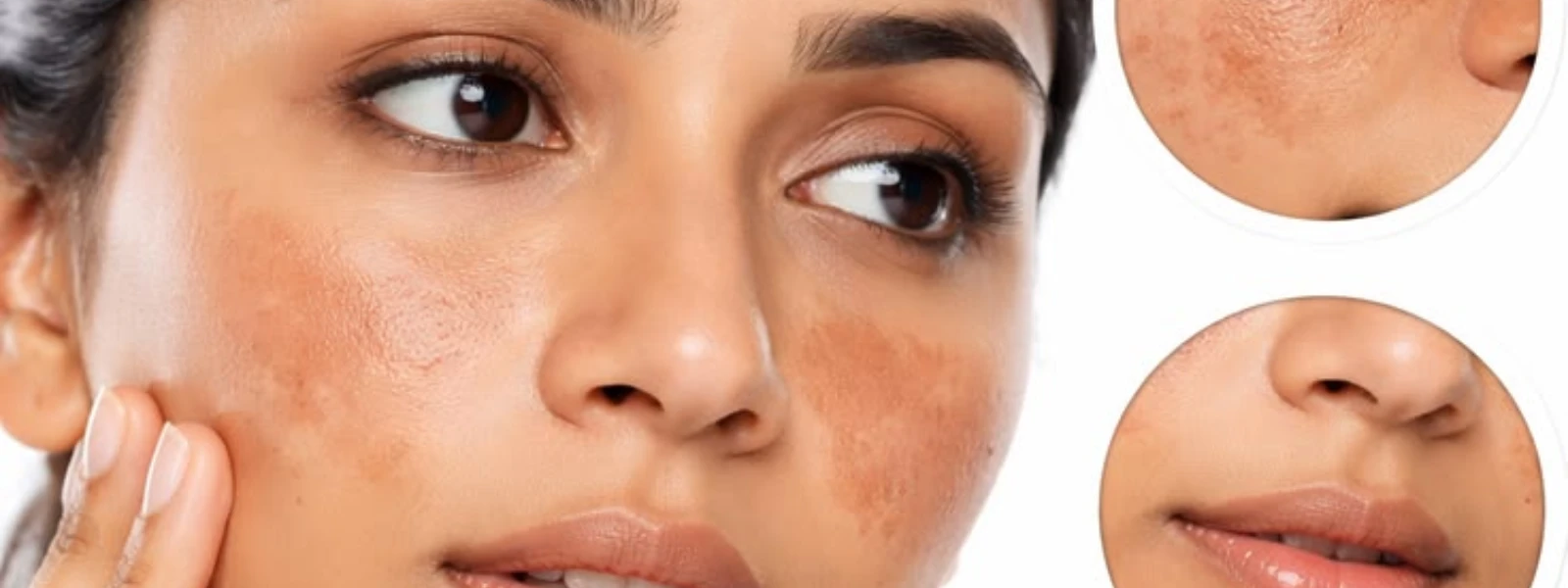
Facial hyperpigmentation appears as distinct, well-defined areas where melanin has accumulated beyond normal levels. These spots typically have clear borders and appear noticeably darker than surrounding skin. The condition develops when melanocytes receive signals to produce excess melanin, often triggered by inflammation, hormonal changes, or UV exposure.
While facial pigmentation creates localized dark spots, uneven skin tone involves broader variations in skin color and texture. Pigmentation issues are typically deeper and more concentrated, while uneven tone often results from surface-level concerns like dullness or minor discoloration.
Melanocytes respond to various triggers that can cause skin discoloration. UV radiation remains the primary culprit, but hormonal fluctuations, inflammation, and genetic factors also play significant roles. When these cells become damaged or overstimulated, they continue producing melanin even after the initial trigger disappears.
Different types of hyperpigmentation require specific treatment approaches. Recognizing which type you're dealing with helps determine the most effective treatment strategy and realistic timeline for improvement.
Melasma creates symmetrical brown patches, typically on the cheeks, forehead, and upper lip. This condition often develops during pregnancy or when using hormonal contraceptives. The patches tend to worsen with sun exposure and can be challenging to treat due to their hormonal triggers.
This type develops after skin inflammation from acne, eczema, or injuries. Dark spots on face from old breakouts fall into this category. These spots often fade naturally over time but can persist for months or years without proper treatment.
Years of sun exposure create these flat, brown spots commonly called age spots. They typically appear on areas with the most sun exposure, including the face, hands, and shoulders. Unlike freckles, these spots don't fade during winter months.
Understanding skin discoloration causes helps prevent new spots from forming while treating existing ones. Multiple factors often work together to create pigmentation issues, making prevention just as important as treatment.
UV radiation remains the leading cause of facial pigmentation. Even brief daily exposure without proper protection can trigger melanin overproduction. Blue light from screens and pollution also contribute to oxidative stress that can worsen existing pigmentation.
Estrogen and progesterone fluctuations during pregnancy, menopause, or while using hormonal contraceptives can trigger melasma. Thyroid disorders and certain medications also affect melanin production, creating unexpected pigmentation changes.
Poor skincare habits, inflammatory diets high in sugar, and chronic stress can worsen pigmentation. Picking at blemishes or using harsh scrubs creates inflammation that often leads to post-inflammatory hyperpigmentation.
Effective hyperpigmentation treatments range from gentle at-home options to intensive professional procedures. The best approach often combines multiple methods tailored to your specific pigmentation type and skin sensitivity.
Professional-strength ingredients like hydroquinone, tretinoin, and kojic acid offer proven results for pigmentation removal. Vitamin C serums and niacinamide provide gentler alternatives that work well for sensitive skin. Combination treatments often deliver faster results than single ingredients.
Laser treatments, chemical peels, and microneedling can address deeper pigmentation that topical treatments can't reach. These procedures require professional supervision but often provide more dramatic and lasting results for stubborn spots.
Natural remedies for hyperpigmentation include ingredients like licorice root, arbutin, and vitamin C from natural sources. While gentler than synthetic alternatives, these treatments typically require longer treatment periods and may not address severe pigmentation.
Successful skin lightening requires a systematic approach that addresses your specific pigmentation type while protecting your skin barrier. A well-designed treatment plan includes both active ingredients and supportive skincare practices.
Professional skin analysis helps determine pigmentation depth and type, ensuring you choose appropriate treatments. Some pigmentation sits in the epidermis and responds well to topical treatments, while deeper dermal pigmentation may require professional procedures.
Morning routines should focus on protection with broad-spectrum sunscreen and antioxidants like vitamin C. Evening treatments can include stronger active ingredients like retinoids or hydroquinone. Consistency matters more than using the strongest available products.
Most pigmentation treatments require 8-12 weeks to show noticeable results. Taking progress photos in consistent lighting helps track improvements that might not be obvious day-to-day. Patience is essential, as rushing the process often leads to irritation and setbacks.
Safe pigmentation removal requires understanding your skin's limits and choosing appropriate treatments. Aggressive approaches can worsen pigmentation or cause permanent damage, making gentle consistency more effective than harsh quick fixes.
Some skin-lightening products contain dangerous ingredients like mercury or excessive hydroquinone concentrations. Always choose products from reputable brands and consult professionals before starting new treatments, especially if you have sensitive skin.
Daily sun protection remains the most important factor in preventing new pigmentation. Even after successful treatment, UV exposure can trigger melanocytes to become overactive again. Consistent sunscreen use and protective clothing help maintain results long-term.
Most people notice initial improvements after 4-6 weeks of consistent treatment, with significant results appearing after 8-12 weeks. Deeper pigmentation may require 6 months or longer to show substantial improvement.
Many types of pigmentation can be significantly lightened or removed, but complete elimination isn't always possible. Surface-level pigmentation responds better to treatment than deeper, hormonal pigmentation like melasma.
Dark circles under the eyes are often caused by blood vessel visibility or shadows from facial structure, while pigmentation involves actual melanin deposits in the skin. This distinction affects which treatments will be most effective.
Natural ingredients like vitamin C, kojic acid, and arbutin can help with mild pigmentation, but they typically work slower than professional treatments. They're excellent options for sensitive skin or as maintenance treatments.
Understanding the difference between facial pigmentation and uneven skin tone helps you choose the right treatment approach for your specific concerns. While pigmentation involves concentrated melanin deposits that create distinct dark spots, uneven tone refers to broader color and texture variations across your skin. Successful treatment requires identifying your pigmentation type, choosing appropriate ingredients, and maintaining consistent daily protection. Remember that patience and gentle consistency often deliver better results than aggressive treatments that can damage your skin barrier. With the right approach and realistic expectations, most people can achieve significant improvement in their skin's appearance and confidence.
