


Everything You Need to Know About Indian Skin Tone Concerns
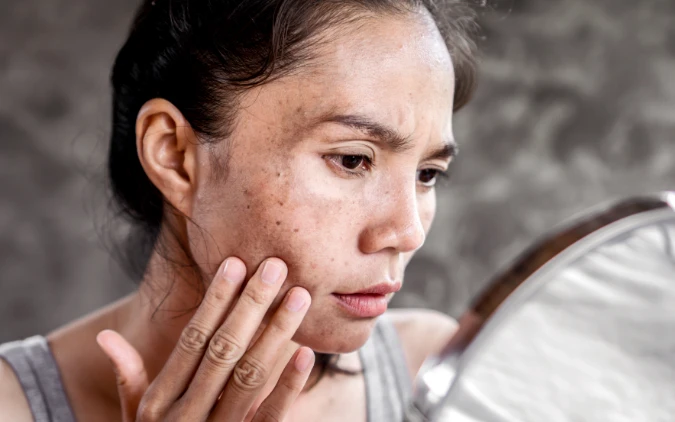
Indian skin is naturally beautiful, but it comes with unique challenges that many people don't fully understand. With higher melanin content than lighter skin tones, Indian skin offers natural protection against UV damage. However, this same characteristic makes it more prone to pigmentation issues when triggered by hormones, sun exposure, or inflammation. Studies show that over 80% of people with Indian heritage experience some form of uneven skin tone or dark spots during their lifetime. Understanding these concerns is the first step toward achieving healthier, more radiant skin that you can feel confident about.
Indian skin typically falls into Fitzpatrick skin types IV through VI, which means it has more melanin-producing cells called melanocytes. This natural abundance of melanin provides excellent protection against harmful UV rays and premature aging. However, it also means that when these cells become overactive due to triggers like hormonal changes or injury, they produce excess pigment that shows up as dark spots or patches.
The structure of Indian skin is also different from other ethnicities. The melanin distribution tends to be less uniform, which can lead to patchy areas of darkness even without external triggers. Additionally, Indian skin often has a thicker dermis layer, which can make certain treatments less effective if not properly customized.
The most frequent Indian skin tone problems include post-inflammatory hyperpigmentation, melasma, and general uneven skin tone. These issues affect people differently based on their genetics, lifestyle, and environmental exposure. Urban pollution, intense sun exposure, and hormonal fluctuations during pregnancy or due to conditions like PCOS can all trigger pigmentation concerns.
Living in tropical and subtropical climates means constant exposure to intense UV radiation. Combined with genetic predisposition, this creates the perfect storm for hyperpigmentation Indian skin concerns. Air pollution in major cities also contributes to oxidative stress, which can worsen existing pigmentation and create new dark spots.
Not all dark spots are created equal. Understanding the different types of skin discoloration Indian people experience helps in choosing the right treatment approach. Each type has distinct characteristics, triggers, and treatment responses that require specific strategies for effective management.
The three main categories include hormonal pigmentation like melasma, post-inflammatory hyperpigmentation from acne or injuries, and age-related spots from cumulative sun damage. Identifying which type you're dealing with is crucial for selecting appropriate treatments and setting realistic expectations.
Melasma Indian skin typically appears as symmetrical brown patches on the face, especially the cheeks, forehead, and upper lip. This condition is strongly linked to hormonal changes during pregnancy, birth control use, or hormone replacement therapy. Women with PCOS are particularly susceptible due to insulin resistance and hormonal imbalances.
When Indian skin experiences inflammation from acne, cuts, or harsh treatments, it often responds by producing excess melanin. This results in dark spots Indian skin that can persist for months or even years after the original injury has healed. These spots are typically darker than the surrounding skin and can vary in size.
Years of sun exposure eventually catch up, creating flat, brown spots typically on the face, hands, and shoulders. While Indian skin ages more slowly than lighter skin tones, the pigmentation changes can be more dramatic and noticeable when they do occur.
Understanding what triggers uneven skin tone Indian people experience helps in both treatment and prevention. The causes are often interconnected, with hormonal factors, environmental exposure, and lifestyle choices all playing important roles in skin health and appearance.
Genetics load the gun, but environmental and lifestyle factors pull the trigger. Even people with a family history of pigmentation issues can minimize their risk through proper care and protection strategies.
UV exposure remains the biggest culprit in pigmentation issues. Even brief periods in the sun without protection can trigger melanin production in sensitive Indian skin. Urban pollution adds another layer of stress through free radical damage that can worsen existing pigmentation and accelerate aging.
Hormonal fluctuations during pregnancy, menstruation, or due to medical conditions like PCOS can trigger melasma and other pigmentation issues. Certain medications, including some antibiotics and chemotherapy drugs, can also increase photosensitivity and pigmentation risk.
Traditional practices like using harsh scrubs or home remedies with lemon juice can sometimes worsen pigmentation. Stress, poor sleep, and dietary factors also influence skin health and can contribute to hormonal imbalances that trigger pigmentation.
Effective Indian skin pigmentation treatment requires a multi-faceted approach that addresses both existing pigmentation and prevents new spots from forming. The key is choosing treatments that are both effective and safe for darker skin tones, which can be more sensitive to certain procedures.
Treatment success depends on consistency, patience, and realistic expectations. Most pigmentation treatments require 3-6 months to show significant results, and maintenance is usually necessary to prevent recurrence.
Pigment correction Indian skin responds well to ingredients like kojic acid, alpha arbutin, and vitamin C. These ingredients work by inhibiting melanin production and promoting cell turnover. Niacinamide is particularly effective for Indian skin as it's gentle yet effective at reducing inflammation and regulating melanin production.
Chemical peels using glycolic acid or lactic acid can be effective for Indian skin when performed by experienced professionals. Laser treatments require extra caution as they can sometimes cause post-inflammatory hyperpigmentation in darker skin tones if not properly calibrated.
Indian skin brightening should focus on evening out skin tone rather than dramatically lightening it. Safe approaches include vitamin C serums, gentle exfoliation, and consistent sun protection. Avoid products containing mercury or high concentrations of hydroquinone, which can cause long-term damage.
Prevention is always easier than treatment when it comes to pigmentation. A consistent daily routine that includes gentle cleansing, targeted treatments, moisturizing, and sun protection can prevent most pigmentation issues from developing or worsening.
The key is finding products that work well with Indian skin's unique characteristics. This means choosing formulations that are effective but not overly harsh, and always prioritizing sun protection as the foundation of any skincare routine.
Indian skin needs broad-spectrum SPF 30 or higher every day, regardless of weather or season. Reapplication every 2-3 hours is crucial, especially if you're outdoors. Physical sunscreens with zinc oxide or titanium dioxide are often better tolerated than chemical sunscreens.
A morning routine should include gentle cleansing, vitamin C serum, moisturizer, and sunscreen. Evening routines can incorporate treatments like retinoids or alpha hydroxy acids, followed by a nourishing moisturizer. Always introduce new products gradually to avoid irritation.
Hyperpigmentation in Indian skin is primarily caused by overactive melanin production triggered by UV exposure, hormonal changes, inflammation, or injury. The higher melanin content in Indian skin makes it more reactive to these triggers compared to lighter skin tones.
Most people start seeing improvement in 6-8 weeks with consistent treatment, but significant results typically take 3-6 months. Deeper pigmentation may require longer treatment periods, and maintenance is usually necessary to prevent recurrence.
Some natural ingredients like turmeric, kojic acid from rice, and vitamin C from citrus fruits have proven benefits. However, many traditional remedies lack scientific backing and some can actually worsen pigmentation. It's best to combine proven natural ingredients with modern skincare science.
Skin lightening for Indian skin should focus on safe, regulated ingredients that even out skin tone rather than dramatically changing your natural color. Avoid products containing mercury, high-concentration hydroquinone, or steroids, which can cause serious long-term damage.
Brightening aims to even out skin tone and reduce dark spots while maintaining your natural skin color. Bleaching attempts to dramatically lighten skin color and often uses harsh chemicals that can damage the skin barrier and cause long-term problems.
Understanding your skin's unique characteristics is the foundation of effective treatment for Indian skin tone concerns. While pigmentation issues are common, they're definitely manageable with the right approach, patience, and consistency. Focus on gentle, proven ingredients and always prioritize sun protection as your first line of defense. Remember that healthy, even-toned skin is more important than dramatically lighter skin, and the goal should always be to enhance your natural beauty rather than change it completely.
