


Even Skin Tone Tips FAQ: Causes & Treatments for Discoloration
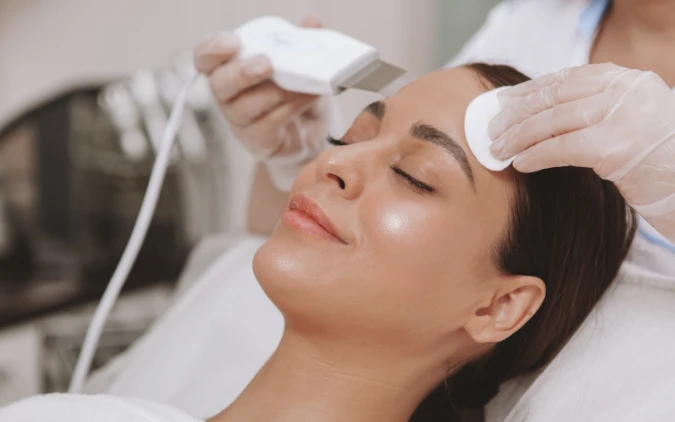
Uneven skin tone affects nearly 90% of adults at some point in their lives, making it one of the most common skincare concerns worldwide. Whether you're dealing with dark spots, redness, or general dullness, achieving a balanced complexion doesn't have to feel impossible. The key lies in understanding what causes discoloration and implementing proven even skin tone tips that work with your skin's natural healing process. From gentle daily routines to targeted treatments, there are effective solutions for every skin type and concern level.
Before diving into solutions, it helps to understand why uneven skin tone causes vary so much from person to person. Your skin's appearance depends on several factors working together, and identifying your specific triggers makes treatment much more effective.
Sun exposure remains the leading cause of skin discoloration worldwide. UV rays trigger melanin production unevenly, creating those stubborn brown spots that seem to appear overnight. Even brief daily exposure without protection adds up over time, making sunscreen your most important defense.
Post-inflammatory hyperpigmentation follows closely behind, especially for those prone to acne. When skin heals from breakouts, it often leaves behind dark spots on face that can persist for months. This type of discoloration affects all skin tones but tends to be more noticeable on deeper complexions.
Hormonal changes create another common pattern of discoloration called melasma. Pregnancy, birth control, and hormone therapy can all trigger symmetric patches of darkening, typically on the forehead, cheeks, and upper lip. This condition requires special care since it can worsen with sun exposure.
As we age, cell turnover slows down significantly. Dead skin cells accumulate on the surface, creating a dull, uneven appearance that makes existing discoloration more obvious. Age spots develop from years of cumulative sun damage, often appearing on hands, face, and chest areas.
Creating an effective routine starts with understanding that consistency beats intensity every time. The most powerful even skin tone tips focus on gentle, daily habits that support your skin's natural renewal process.
Daily sunscreen application forms the cornerstone of any effective routine. Choose broad-spectrum SPF 30 or higher and apply it every morning, regardless of weather or indoor plans. This single step prevents new damage while existing treatments work on current discoloration.
Gentle cleansing removes daily buildup without stripping your skin's protective barrier. Over-cleansing can actually worsen discoloration by causing irritation and inflammation. Look for pH-balanced formulas that clean effectively without leaving your skin tight or dry.
Vitamin C serums provide powerful skin brightening benefits while protecting against environmental damage. This antioxidant helps fade existing spots and prevents new ones from forming. Start with lower concentrations and gradually increase as your skin adapts.
Niacinamide offers gentle yet effective tone correction for all skin types. This form of vitamin B3 reduces inflammation, regulates oil production, and helps fade post-acne marks without irritation. It works well with other active ingredients and rarely causes sensitivity.
Choosing the right products depends on your specific concerns and skin sensitivity level. The best products for even skin tone combine proven ingredients with gentle formulations that you can use consistently.
Alpha arbutin provides natural hyperpigmentation treatment without harsh side effects. This plant-derived ingredient works gradually to lighten dark spots while being gentle enough for sensitive skin. It pairs well with vitamin C for enhanced brightening effects.
Kojic acid offers another natural approach to lightening discoloration. Derived from fungi, this ingredient inhibits melanin production and helps fade existing spots. Start slowly with kojic acid products, as some people experience mild irritation initially.
Chemical exfoliants like AHA and BHA help remove discolored dead skin cells more effectively than physical scrubs. Glycolic acid works on the surface to brighten dull skin, while salicylic acid penetrates pores to prevent new breakouts that could lead to dark spots.
While professional treatments offer faster results, natural remedies for even skin tone provide gentle support for your skincare routine. These approaches work best when combined with proven active ingredients rather than used alone.
Antioxidant-rich foods support your skin's natural repair processes from within. Berries, leafy greens, and colorful vegetables provide vitamins and minerals that help combat free radical damage. Adequate water intake keeps skin plump and helps flush toxins that can contribute to dullness.
Quality sleep allows your skin to repair and regenerate effectively. During deep sleep, blood flow to the skin increases, delivering nutrients and removing waste products. Aim for 7-9 hours of consistent sleep to support your skin's natural healing process.
Stress management plays a crucial role in preventing inflammation that can worsen discoloration. Chronic stress increases cortisol levels, which can trigger breakouts and slow healing. Regular exercise, meditation, or other stress-relief activities benefit both your overall health and skin appearance.
Redness requires a different approach than brown discoloration. Learning how to reduce redness on face involves calming inflammation and strengthening your skin's protective barrier.
Azelaic acid provides excellent results for reducing both redness and dark spots simultaneously. This naturally occurring acid has anti-inflammatory properties that calm irritated skin while gently exfoliating to improve texture and tone.
Green tea extracts and other botanical ingredients can soothe reactive skin. Look for products containing chamomile, licorice root, or centella asiatica, which have been used traditionally to calm inflammation and reduce redness.
Sometimes at-home care needs professional support to achieve desired results. Understanding when to seek professional help and what treatments are available helps you make informed decisions about your skincare journey.
Chemical peels remove damaged surface layers to reveal fresher, more even-toned skin underneath. Professional-strength peels can address stubborn discoloration that doesn't respond to at-home treatments. Recovery time varies depending on peel depth and your skin's healing response.
Microneedling stimulates collagen production while allowing better penetration of brightening serums. This treatment works well for both texture and tone issues, making it popular for comprehensive skin improvement. Multiple sessions typically provide the best results.
Most people notice initial improvements within 2-3 weeks of consistent routine use. However, significant changes in discoloration typically take 8-12 weeks to become apparent. Patience and consistency are key to achieving lasting results.
Yes, basic steps like daily sunscreen, gentle cleansing, and consistent moisturizing can significantly improve skin tone over time. Adding affordable ingredients like niacinamide or vitamin C can enhance results without breaking your budget.
Dark spots respond well to brightening ingredients like vitamin C, kojic acid, and alpha arbutin. Redness requires anti-inflammatory approaches using ingredients like azelaic acid, niacinamide, or gentle botanical extracts.
Take photos in consistent lighting every few weeks to track progress objectively. Look for gradual fading of dark spots, reduced redness, and overall improved skin clarity. Avoid expecting dramatic changes overnight.
Yes, oily skin can typically handle stronger active ingredients and more frequent exfoliation. Dry or sensitive skin needs gentler formulations and more focus on barrier repair. Always start slowly regardless of skin type.
Inconsistent routine use and skipping daily sunscreen are the most common mistakes. Many people also try too many new products at once, which can cause irritation and actually worsen discoloration.
Achieving even skin tone requires understanding your specific concerns and choosing appropriate treatments accordingly. Whether you're dealing with sun damage, post-acne marks, or general dullness, consistent daily care forms the foundation of any successful routine. Remember that how to get even skin tone isn't about quick fixes but rather building sustainable habits that support your skin's natural healing process. Start with the basics of gentle cleansing, daily sunscreen, and one targeted treatment ingredient. As your skin adapts, you can gradually add more active ingredients or consider professional treatments for stubborn discoloration. Most importantly, be patient with the process and celebrate small improvements along the way.
