


Essential Skincare for Humid Weather: Your Complete Checklist
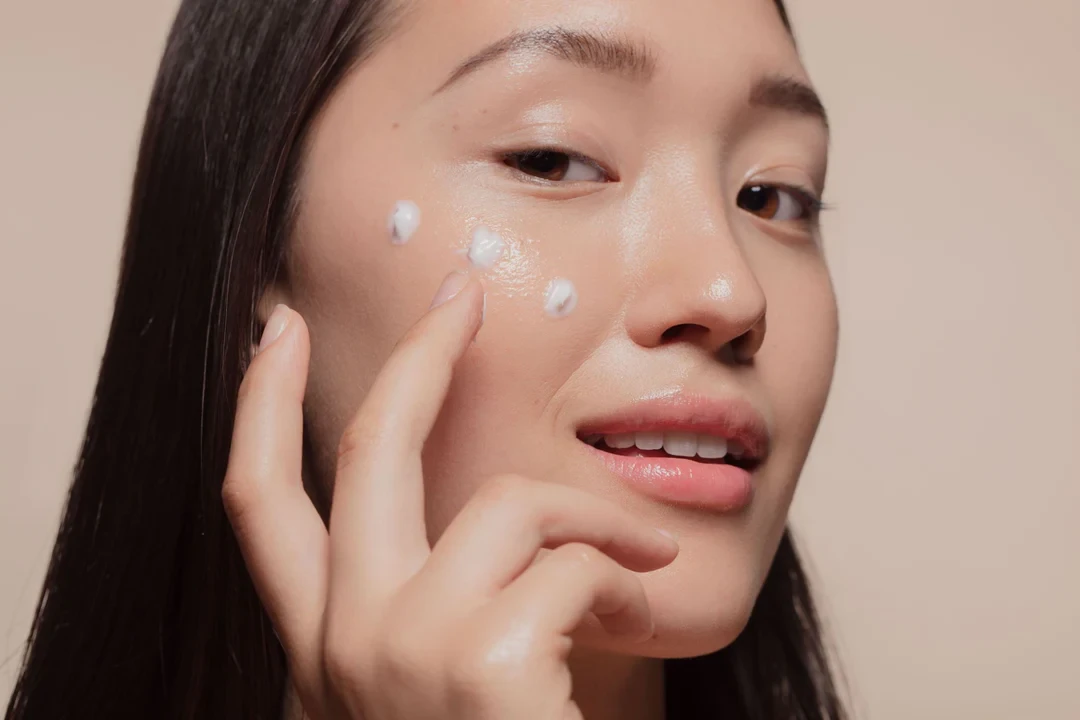
Humid weather can feel like your skin's worst enemy. The sticky air, constant sweat, and relentless heat create the perfect storm for breakouts, excess oil, and stubborn dark spots. But here's the thing – with the right approach, you can actually make humid weather work for your skin instead of against it.
Whether you're dealing with the monsoon season or living in a tropical climate year-round, this complete checklist will help you navigate skincare for humid weather like a pro. From choosing the perfect lightweight moisturizer to mastering sun protection that won't melt off your face, we've got every detail covered.
When humidity levels soar above 60%, your skin enters survival mode. The excess moisture in the air tricks your skin into thinking it's hydrated, but that's just the surface story. Underneath, a complex dance of oil production, sweat, and environmental factors creates challenges that require a completely different approach to your humidity skincare routine.
Understanding your skin type becomes crucial when the weather gets sticky. Here's what happens to different skin types in humid conditions:
Oily skin: Sebum production goes into overdrive, creating that unwanted shine within hours of cleansing
Dry skin: Despite environmental moisture, your skin can still feel tight and flaky due to disrupted barrier function
Combination skin: T-zone becomes an oil slick while cheeks might feel surprisingly normal or even dry
Sensitive skin: Increased risk of irritation from constant sweat, heat, and friction from wiping your face
High humidity disrupts your skin's natural moisture barrier through constant exposure to sweat and heat. This creates a breeding ground for bacteria, leading to more frequent breakouts and potential hyperpigmentation skincare concerns. The temperature fluctuations between air-conditioned spaces and outdoor heat also stress your skin, making it more reactive and prone to inflammation.
Creating an effective tropical climate skincare routine means rethinking everything you know about traditional skincare. The goal shifts from adding moisture to managing it, from heavy protection to lightweight defense, and from complex routines to streamlined efficiency.
Your morning routine sets the tone for how your skin handles the day's humidity. Start with gentle cleansing using a best cleanser for oily skin that removes overnight buildup without stripping your skin. Follow with a lightweight moisturizer that provides hydration without feeling heavy or greasy.
The most critical step is sun protection skincare that can withstand sweat and humidity. Look for water-resistant formulas with at least SPF 30 that won't slide off your face by noon. Apply products in thin layers, allowing each to absorb completely before adding the next.
Your evening routine becomes your skin's recovery time from the day's humidity assault. Double cleansing is non-negotiable – first to remove sunscreen, sweat, and pollutants, then to deep clean your pores. This is also the perfect time to incorporate treatment products for uneven skin tone treatment since your skin repairs itself overnight.
Humid weather can be particularly challenging for those dealing with dark spots and uneven skin tone. The combination of heat, sweat, and increased sun exposure creates the perfect conditions for post-inflammatory hyperpigmentation to develop and existing spots to darken.
Heat-induced inflammation triggers melanin production, making your skin more prone to developing dark spots. When you constantly wipe sweat from your face, the friction can irritate existing blemishes, leading to post-inflammatory hyperpigmentation. The intense sun exposure common in humid, tropical climates amplifies these effects, making consistent hyperpigmentation skincare essential.
Choose vitamin C serums formulated to remain stable in heat and humidity. Niacinamide works double duty by controlling oil production while brightening existing dark spots. Gentle chemical exfoliants like salicylic acid help remove dead skin cells without over-irritating in the heat. The key is finding ingredient combinations that complement each other rather than compete for absorption in humid conditions.
Not all skincare products are created equal when it comes to humid weather performance. The texture, formulation, and ingredient concentration all play crucial roles in how well a product will work in sticky, sweaty conditions.
Foaming cleansers often outperform gel cleansers in humid weather because they cut through excess oil more effectively. Look for non-comedogenic skincare options with a pH between 5.5 and 6.5 to maintain your skin's natural barrier. Your morning cleanser can be gentler than your evening one, which needs to tackle the day's accumulation of sweat, oil, and environmental pollutants.
Gel-based moisturizers typically perform better than water-based ones in high humidity because they provide hydration without adding excess moisture to already humid skin. Hyaluronic acid and glycerin are your best friends – they draw moisture from the environment while keeping your skin balanced. Oil-free doesn't always mean better; sometimes a tiny amount of lightweight oil can actually help regulate your skin's natural oil production.
Water-resistant sunscreens offer better protection than sweat-resistant ones for active lifestyles in humid weather. Mineral sunscreens often feel less greasy than chemical ones, but modern chemical formulations can be just as comfortable. The key is finding an SPF 30+ formula that doesn't clog pores and can be reapplied easily throughout the day without disrupting your other skincare products.
Once you've mastered the basics, these advanced techniques will help you fine-tune your routine for optimal results in humid conditions. These strategies focus on maximizing product effectiveness while minimizing the time and effort required for maintenance.
The relationship between sweat and skincare requires a strategic approach to cleansing. Start with an oil-based cleanser to dissolve sunscreen, excess sebum, and oil-based pollutants. Follow with a water-based cleanser to remove sweat, bacteria, and any remaining impurities. For sensitive skin, micellar water can replace the first cleanse, while those with time constraints can use a high-quality single cleanser designed for heavy-duty cleaning.
Salicylic acid (BHA) excels in humid weather because it penetrates oil-filled pores and helps control excess sebum production. Glycolic acid (AHA) works well for surface texture improvement but should be used more cautiously in intense heat. Limit exfoliation to 2-3 times weekly maximum, as humid weather already stresses your skin. Always follow exfoliation with gentle, hydrating products and never skip sunscreen the next day.
Even skincare enthusiasts make critical errors when adapting their routines for humid weather. Understanding these common pitfalls can save you weeks of skin frustration and help you achieve better results faster.
The biggest myth in humid weather skincare is that 60% humidity means your skin doesn't need moisturizer. Environmental humidity and skin hydration are completely different things. When you skip moisturizer, your skin often overproduces oil to compensate, creating a greasier appearance than if you'd used a proper lightweight moisturizer. Learn to distinguish between dehydrated and oily skin – they require different approaches even in humid conditions.
Washing your face more than twice daily in humid weather usually backfires by disrupting your skin barrier and triggering increased oil production. Signs of overwashing include tightness immediately after cleansing, increased sensitivity, and paradoxically, more oiliness throughout the day. Minimalist routines often produce better results than complex ones in humid weather – focus on doing fewer things exceptionally well rather than many things adequately.
Focus on lightweight, non-comedogenic products including gel cleansers, water-based moisturizers, and sweat-resistant sunscreens. Key ingredients to look for include niacinamide for oil control, hyaluronic acid for hydration, and salicylic acid for gentle exfoliation. Avoid heavy creams and oil-based products that can feel suffocating in humid conditions.
Use gentle cleansing twice daily, apply lightweight hydration, maintain consistent sun protection, and incorporate regular but gentle exfoliation. Avoid overwashing, heavy products, and excessive touching of your face. Keep blotting papers handy for oil control throughout the day without disrupting your skincare.
Yes, your skin still needs hydration in humid weather, just in lighter formulations. Environmental humidity doesn't replace the need for proper skin hydration. Choose gel or water-based textures rather than heavy creams, and focus on ingredients like hyaluronic acid that work with the humid environment rather than against it.
Stick to twice daily cleansing – morning and evening. Washing more frequently can disrupt your skin barrier and actually increase oil production. If you need midday refresh, use blotting papers or a gentle micellar water on a cotton pad rather than full cleansing.
Yes, humid weather can worsen hyperpigmentation through increased heat-induced inflammation, frequent face touching due to sweat, and often increased sun exposure. The combination creates ideal conditions for post-inflammatory hyperpigmentation to develop and existing dark spots to darken.
Mastering skincare for humid weather isn't about completely overhauling your routine – it's about making smart adjustments that work with the environment rather than against it. The key principles remain consistent: gentle cleansing, appropriate hydration, reliable sun protection, and targeted treatments for specific concerns like hyperpigmentation.
Remember that your skin's needs may fluctuate with humidity levels, so stay flexible and listen to what your skin is telling you. With the right approach, humid weather can actually help your skin look more radiant and healthy than ever before.
