


Essential Checklist: Why Hyperpigmentation Happens
Your Cart
0You May Also Like

₹424 ₹499

₹509 ₹599

₹594 ₹699

₹424 ₹499

₹466 ₹549
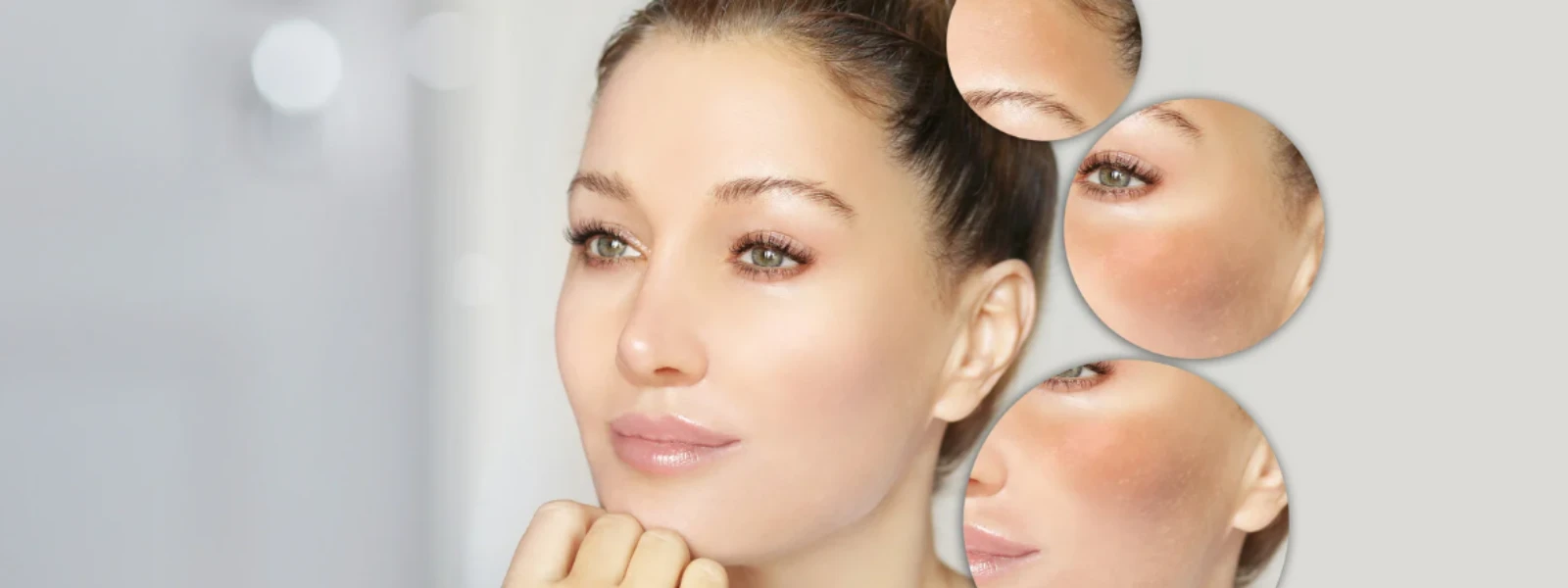
Dark spots and uneven skin tone can feel like unwelcome surprises on your skin journey. Whether you've noticed new patches after a sunny vacation or persistent marks from old breakouts, understanding why hyperpigmentation happens is your first step toward clearer, more even skin. This isn't just about vanity—it's about feeling confident in your own skin and making informed choices about your skincare routine. Let's dive into the science behind those stubborn spots and explore what's really going on beneath the surface.
Hyperpigmentation occurs when your skin produces too much melanin, the pigment that gives your skin its color. Think of melanin as your skin's natural shield—it's designed to protect you from harmful UV rays. When everything works normally, melanocytes (special cells in your skin) produce just the right amount of melanin to keep you protected without creating noticeable color differences. But sometimes this system goes into overdrive. When melanocytes get triggered by sun exposure, inflammation, or hormonal changes, they can pump out excess melanin. This extra pigment gets deposited in patches, creating those darker areas we call hyperpigmentation. The process happens in the deeper layers of your skin, which is why these spots can be so persistent and take time to fade.
Understanding the causes of hyperpigmentation helps you identify what might be triggering your specific skin concerns. Here are the main culprits behind those unwanted dark spots.
The sun is the biggest villain in the hyperpigmentation story. UV radiation triggers your melanocytes to produce more melanin as a protective response. Over time, this leads to sunspots on skin, also called age spots or solar lentigines. UVA rays penetrate deep into your skin, while UVB rays affect the surface—both contribute to uneven pigmentation.
Hormones can wreak havoc on your skin's pigment production. Pregnancy, birth control pills, and hormone replacement therapy often trigger melasma—those symmetrical brown patches that typically appear on your face. This type of hyperpigmentation is particularly stubborn because hormonal fluctuations keep feeding the problem.
Post-inflammatory hyperpigmentation happens when your skin produces extra melanin in response to injury or inflammation. Acne breakouts, eczema flares, cuts, or even aggressive skincare treatments can leave behind dark marks. This is especially common in people with darker skin tones, where the inflammatory response tends to be more intense.
Not all dark spots are created equal. Different types of hyperpigmentation have distinct patterns and causes that help identify the best treatment approach. Melasma typically appears as brown or gray patches on your cheeks, forehead, nose, and upper lip. It's almost always hormone-related and can worsen with sun exposure. Solar lentigines show up as small, well-defined brown spots on sun-exposed areas like your hands, face, and shoulders. These develop gradually over years of UV exposure. Post-inflammatory hyperpigmentation creates irregular patches wherever you've had skin trauma or inflammation. Unlike other types, these spots often have jagged edges and can vary significantly in size and darkness. Drug-induced hyperpigmentation is less common but can occur with certain medications like antimalarials or chemotherapy drugs.
Several health conditions can contribute to skin discoloration reasons beyond the typical sun and hormone triggers. Addison's disease affects your adrenal glands and can cause widespread darkening of your skin, especially in areas that get friction like your elbows and knees. Thyroid disorders sometimes trigger changes in pigmentation, particularly in people who are already prone to melasma. Certain medications can also cause hyperpigmentation as a side effect. Antibiotics like tetracycline, some blood pressure medications, and even anti-inflammatory drugs can sometimes lead to unwanted dark spots.
Some people are simply more prone to developing hyperpigmentation. Your genetics play a huge role—if your parents or grandparents dealt with dark spots, you're more likely to experience them too. People with darker skin tones have more active melanocytes, which means they're at higher risk for post-inflammatory hyperpigmentation but may be less prone to sun-induced age spots. Age is another factor. As you get older, your skin becomes less efficient at repairing UV damage, leading to more visible sun spots. Living in sunny climates or spending lots of time outdoors for work increases your exposure to the primary trigger for most hyperpigmentation.
Prevention is always easier than treatment when it comes to how to prevent hyperpigmentation. Daily sunscreen use is non-negotiable—choose a broad-spectrum SPF 30 or higher and reapply every two hours. Don't forget often-missed spots like your ears, neck, and the backs of your hands. Gentle skincare is crucial for preventing post-inflammatory hyperpigmentation. Avoid picking at acne or other skin irritations, and be careful with aggressive exfoliation. If you're prone to hormonal melasma, work with your healthcare provider to find the most suitable birth control or hormone therapy options.
Effective hyperpigmentation treatment requires patience and consistency. Topical treatments like vitamin C, azelaic acid, and retinoids can help fade existing spots and prevent new ones. These ingredients work by either inhibiting melanin production or speeding up cell turnover to help pigmented cells shed faster. Professional treatments offer faster results for stubborn hyperpigmentation. Chemical peels, laser therapy, and microneedling can significantly improve uneven skin tone, but they require proper aftercare and sun protection to prevent rebound pigmentation. Most people see noticeable improvement after 3-6 months of consistent treatment.
The primary cause is excess melanin production triggered by UV exposure, inflammation, or hormonal changes. Sun damage accounts for the majority of hyperpigmentation cases.
Some types fade over time, particularly post-inflammatory hyperpigmentation, but most require consistent treatment and sun protection for significant improvement.
While challenging to treat, most hyperpigmentation can be significantly improved with proper treatment, though it may take months to see results.
UV exposure triggers more melanin production and can darken existing spots. Even treated areas can become darker again without proper sun protection.
Stress doesn't directly cause hyperpigmentation, but it can worsen inflammatory skin conditions like acne, which then leads to post-inflammatory dark spots.
Understanding what causes dark spots empowers you to make better choices for your skin. Whether your hyperpigmentation comes from sun damage, hormones, or inflammation, the key is early intervention and consistent care. Remember that treating hyperpigmentation is a marathon, not a sprint—but with the right approach and plenty of patience, clearer, more even skin is absolutely achievable.
