


Essential Checklist: Understanding Fungal Acne & Malassezia Folliculitis
Your Cart
0You May Also Like
Have you ever noticed small, uniform bumps on your skin that just won't respond to your usual acne treatments? You might be dealing with fungal acne, a condition that's often misunderstood and misdiagnosed. Unlike regular acne caused by bacteria, this stubborn skin issue is actually a yeast infection that requires a completely different approach. Understanding what sets fungal acne apart from traditional breakouts is the first step toward clear, healthy skin. Let's dive into everything you need to know about this tricky condition and how to tackle it effectively.
What is fungal acne? Medically known as malassezia folliculitis, this condition isn't actually acne at all. It's a yeast infection that affects your hair follicles, caused by an overgrowth of Malassezia yeast that naturally lives on your skin. While regular acne results from bacterial infections and clogged pores, fungal acne stems from yeast proliferation in warm, moist environments.
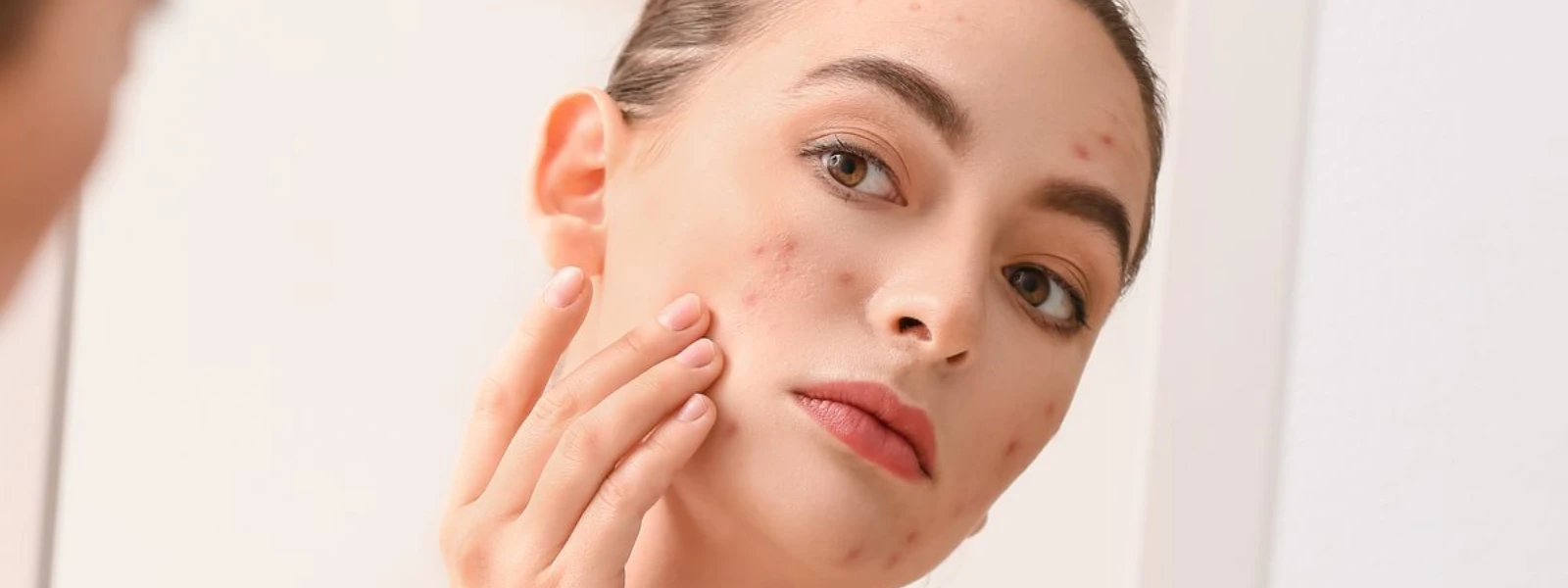
Regular acne presents as varied lesions - blackheads, whiteheads, cysts of different sizes. Fungal acne appears as small, uniform bumps that are typically the same size and shape. These bumps often cluster together and can be incredibly itchy, unlike bacterial acne which rarely causes significant itching.
Here's where many people get frustrated. Traditional acne treatments like benzoyl peroxide and salicylic acid don't work on fungal acne because they target bacteria, not yeast. In fact, some acne treatments can actually make fungal acne worse by disrupting your skin's natural balance.
Malassezia yeast naturally lives on everyone's skin without causing problems. However, certain conditions can trigger an overgrowth, leading to pityrosporum folliculitis. Understanding these triggers helps you prevent future breakouts and manage existing ones more effectively.
Hot, humid weather creates the perfect breeding ground for yeast. Tight clothing that traps moisture, heavy skincare products, and excessive sweating all contribute to fungal acne development. Oral antibiotics can also disrupt your skin's natural microbiome, allowing yeast to flourish.
People with seborrheic dermatitis often experience fungal acne since both conditions involve Malassezia yeast overgrowth. If you have dandruff or scalp irritation, you might be more prone to developing fungal acne on your face and body.
Recognizing fungal acne early can save you months of ineffective treatments. The key characteristic is itchy acne that appears as small, uniform bumps. These bumps typically don't come to a head like regular pimples and often appear in clusters.
Fungal acne commonly appears on your forehead, chest, shoulders, and back - areas where you sweat more. On the face, it often shows up along the hairline and T-zone where oil and moisture accumulate.
If your "acne" gets worse in hot, humid weather, doesn't respond to traditional treatments, and feels itchy, you're likely dealing with a skin yeast infection rather than bacterial acne. Professional diagnosis through a dermatologist can confirm your suspicions.
Fungal acne treatment requires antifungal skincare ingredients rather than traditional acne fighters. The most effective treatments target yeast directly, helping restore your skin's natural balance without causing irritation.
Ketoconazole, selenium sulfide, and zinc pyrithione are powerhouse ingredients for fighting fungal acne. Many people find success using medicated dandruff shampoos containing these ingredients as face washes, though this should be done carefully and not too frequently.
Unlike bacterial acne that might improve within days, fungal acne treatment typically takes 2-4 weeks to show significant improvement. Consistency is key, and patience is essential for long-term success.
Creating a skincare routine for fungal acne means avoiding ingredients that feed yeast while incorporating gentle, effective treatments. Many common skincare ingredients can actually worsen fungal acne, making product selection crucial.
Fatty acids, oils, and certain esters can feed Malassezia yeast. This includes popular ingredients like coconut oil, olive oil, and many fatty alcohols. Always check ingredient lists carefully when dealing with different types of acne.
Look for lightweight, oil-free products with simple ingredient lists. Gel-based moisturizers, gentle cleansers, and targeted treatments work best. Remember that less is often more when managing fungal acne.
Once you've cleared fungal acne, preventing its return becomes your priority. This involves lifestyle modifications and ongoing skincare adjustments. Additionally, addressing any hyperpigmentation from acne requires gentle, consistent treatment.
Shower immediately after sweating, wear breathable fabrics, and avoid heavy, occlusive products. Keep your environment cool and dry when possible, and maintain good hygiene without over-cleansing.
Fungal acne can leave behind dark spots, especially on Indian skin tones. Gentle ingredients like niacinamide and vitamin C can help fade these marks without triggering new breakouts. Always use sunscreen to prevent further darkening.
Fungal acne is caused by an overgrowth of Malassezia yeast on your skin. This overgrowth typically occurs due to hot, humid conditions, excessive moisture, tight clothing, or disruption of your skin's natural microbiome.
Effective treatment requires antifungal ingredients like ketoconazole or selenium sulfide. Avoid traditional acne treatments and oil-based products. Consistency with antifungal treatments for 2-4 weeks typically shows results.
Yes, fungal acne can be completely cleared with proper treatment. However, since Malassezia yeast naturally lives on your skin, maintaining good hygiene and avoiding triggers is essential to prevent recurrence.
Fungal acne appears as small, uniform, itchy bumps that don't respond to traditional acne treatments. Regular acne varies in size and type, rarely itches, and typically improves with bacterial-targeting treatments.
Malassezia folliculitis is a yeast infection affecting hair follicles, while acne vulgaris is a bacterial infection involving clogged pores. They require completely different treatment approaches and have distinct visual characteristics.
Most people see improvement within 2-4 weeks of consistent antifungal treatment. Complete clearance may take 6-8 weeks, depending on the severity and how long the condition has been present.
Understanding what is fungal acne is the first step toward effective treatment. Remember that this condition requires a completely different approach than regular acne - antifungal treatments, not antibacterial ones. Pay attention to your skin's response to treatments, and don't hesitate to consult a dermatologist if you're unsure about your diagnosis. With the right knowledge and consistent care, you can successfully manage fungal acne and prevent future breakouts while addressing any resulting pigmentation concerns.
